UPSC Current Affairs

13 topicsGS-1: 1GS-2: 5GS-3: 7
0/13 done
GS-2Editorial

1.Gender Gap in Higher Judiciary (Judicial Representation)

The Hindu

What & Where

Higher Judiciary: Supreme Court + 25 High Courts deciding constitutional & major civil-criminal matters across India

Collegium System: senior judges recommend appointments/transfers; lacks codified criteria, minimal public scrutiny

Gender Gap: women form 14.27 % in HCs, only 2 in SC; nil women judges in Uttarakhand, Meghalaya, Tripura

Quick Facts for MCQs

Numbers Snapshot

  • High Courts: 109 women; Allahabad HC 3 women, largest bench size nationwide
  • Supreme Court: one woman likely post-June 2025 after Justice Trivedi retires
  • Leadership: only Gujarat HC currently headed by a woman Chief Justice

Barriers

  • Scrutiny: women’s merit questioned more than men’s, delaying elevations
  • Collegium opacity: no gender yardsticks; rejection of nine female names underscores bias
  • Mentorship gap: fewer networking, senior briefs; limits pipeline for higher posts

Reform Ideas

  • Transparency: publish eligibility norms, accept formal expressions of interest from women lawyers
  • Reservation: institutionalise at least 33 % women judges in SC & HCs
  • Accountability: mandate written, reasoned orders for government rejections of collegium recommendations

Key Data Points

FeatureData-Point
Women share, High Courts14.27 % (109/764)
Women judges, Supreme Court2 (Justices Nagarathna, Trivedi)
Allahabad HC women share3/79 ≈ 2 %
High Courts with zero womenUttarakhand, Meghalaya, Tripura
Average appointment ageWomen 53 yr; Men 51.8 yr
Only woman Chief JusticeGujarat High Court
Women names rejected since 20209 (5 sole rejects in lists)
Direct Bar-to-SC elevationsWomen 1; Men 9 (since 1947)
First woman lawyer in IndiaCornelia Sorabji, 1924
Suggested minimum quotaOne-third women in higher judiciary

Related UPSC Prelims PYQs

GS1 2005PYQ 1

300 persons are participating in a meeting, out of which 120 are foreigners and the rest are Indians. Out of the Indians there are 110 men who are not judges; 160 are men judges, and 35 are women judges. There are no foreign judges. How many Indian women attended the meeting?

GS1 2007PYQ 2

Consider the following statements:
GS-2Polity

2.India’s Extradition Treaties (Extradition Law)

Indian Express
Illustration for India’s Extradition Treaties (Extradition Law)

What & Where

Extradition treaty = bilateral pact enabling transfer of accused/convicted persons across borders for trial or sentence.

India governed by Extradition Act 1962, applicable to treaty and non-treaty cases.

Rana case: US SC okays extradition to India for 26/11 role, ending 2011-onward legal tussle.

Quick Facts for MCQs

Legal & Policy

  • Extradition Act covers terrorism, organised crime, narcotics, financial fraud; excludes minor offences.
  • US Supreme Court dismissal of habeas petition clears extradition without further appeal.
  • Treaty obligation overrides domestic bail if conditions met in both jurisdictions.

Security Dimension

  • 26/11 Mumbai attacks: Rana accused of facilitating Lashkar-e-Taiba reconnaissance.
  • India pursuing Rana’s handover since 2011; case underscores long extradition timelines.
  • Terrorism categorised as non-political, easing treaty applicability.

Administrative Mechanism

  • MEA transmits vetted request via diplomatic note; foreign courts assess legality, human-rights risk.
  • Upon approval, concerned police coordinate custody transfer under Interpol Red Notice.
  • Rule breach may bar future cooperation, hence high diplomatic stakes.

Key Data Points

FeatureData-Point
Extradition Act enactment1962
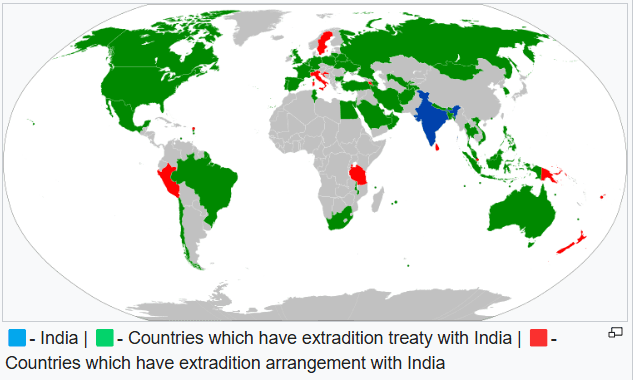
Indian treaties in force48 countries
Additional extradition “arrangements”12 countries
Key treaty partnersUS, UK, Canada, Australia, UAE, France, Germany, Russia, S Korea
Governing principleDual Criminality (crime in both States)
Trial limitationRule of Specialty—only offences extradited for
Political offence barYes, no surrender for political crimes
Human-rights barRisk of torture/unfair trial blocks extradition
Central nodal authorityMinistry of External Affairs
Investigative nodal agenciesCBI (general), NIA (terror)
GS-2Polity

3.One Candidate Multiple Seats Debate (Electoral Reforms)

Indian Express

What & Where

OCMC = contest by one candidate in two constituencies during the same general election, permitted across India.

Governed by Section 33(7) Representation of the People Act 1951; winner must vacate all but one seat.

Vacated seat triggers bye-election within six months under Section 151A, impacting all states/Parliament.

Quick Facts for MCQs

Legal & Policy

  • Section 33(7) introduced by RP Amendment Act 1996 limiting earlier unlimited contests.
  • Articles 101(1)-(2) forbid simultaneous membership of both Houses or Parliament & state assembly.
  • Prohibition of Simultaneous Membership Rules 1950 operationalise constitutional mandate.

Financial Impact

  • Bye-polls impose extra public cost; candidate does not bear expenses.
  • High party outlay raises transparency concerns, potential black-money infusion.
  • Proposal: recover bye-poll cost from seat-vacating candidate to deter practice.

Administrative & Governance

  • Repeated Model Code of Conduct cycles delay policy execution and strain officials.
  • Ruling party resource control skews bye-polls, disadvantaging opposition.
  • Parachute candidates erode local accountability, breed intra-party resentment.

International Examples

  • Australia requires sitting MP to resign before contesting another chamber.
  • UK, most European states bar multi-seat contests; Italy separates Senate/Chamber candidacy.
  • Pakistan, Bangladesh allow multi-constituency runs but mandate post-victory resignations.

Key Data Points

FeatureData-Point
Legal cap on seatsMax 2 constituencies (since 1996)
Relevant Act sectionSection 33(7), RP Act 1951
Seat-vacate ruleSection 70 RP Act; Article 101(1)
Bye-election deadline≤ 6 months, Section 151A
2024 LS poll cost₹6,931 crore; bye-polls +₹130 cr
Party spending 2024 est.~₹1.35 lakh crore
Law Commission advice255th Report (2015) sought total ban
ECI stanceSupports “One Candidate One Constituency”
UK ban year1983 Representation of the People Act
Italian ruleCannot run Senate & Chamber together

Related UPSC Prelims PYQs

GS1 2021PYQ 1

Consider the following statements:
GS-2PolityQuick Bite

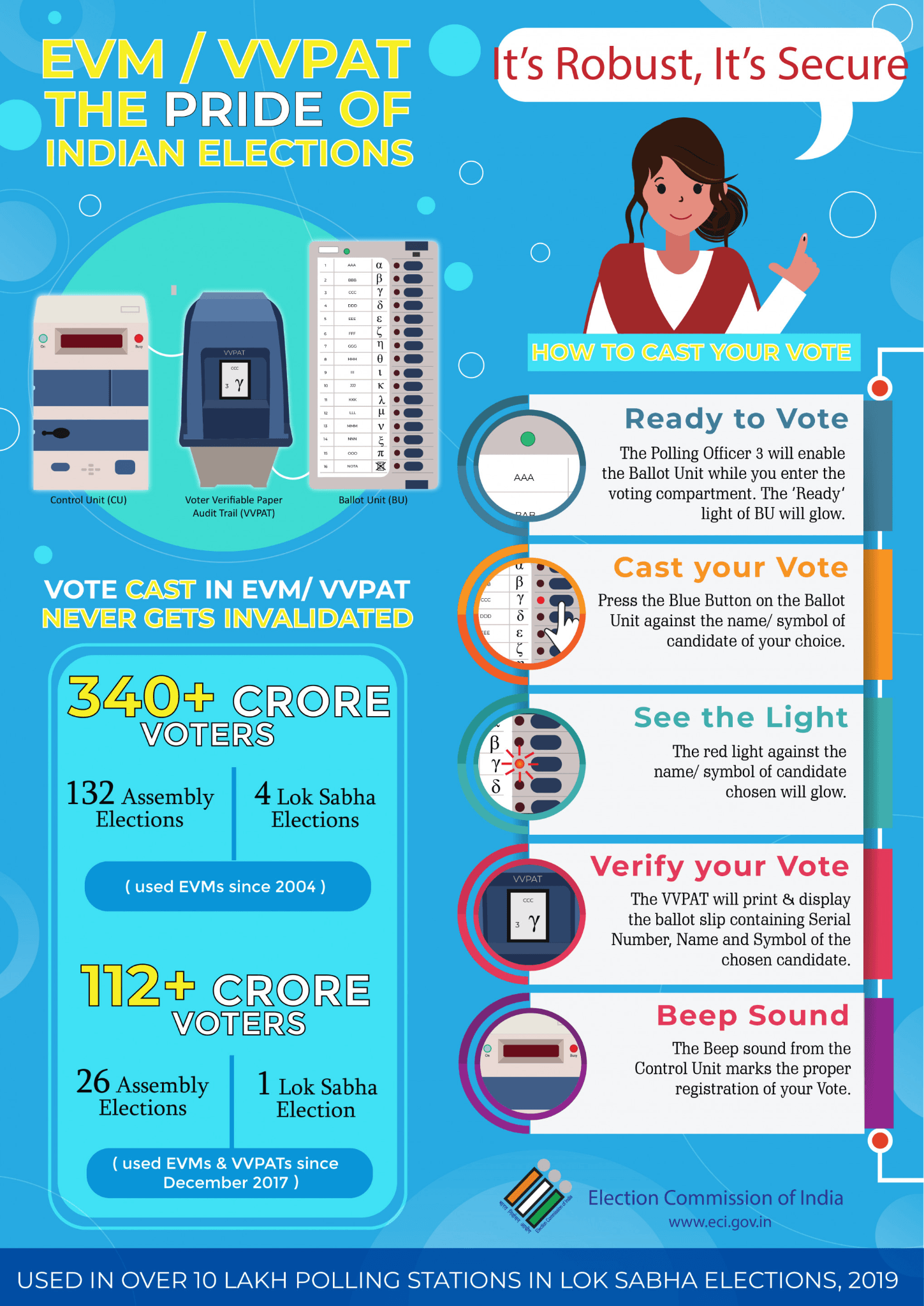
4.Electors Photo Identity Card (Voter ID)

The Hindu
Illustration for Electors Photo Identity Card (Voter ID)

What & Where

EPIC: 10-character alphanumeric voter ID issued since 1993 across India to curb impersonation

Managed through ERONET web platform handling registration, migration, deletion of electoral roll entries

Issue flagged in West Bengal; duplication spans inter-state electoral databases

Quick Facts for MCQs

Tech & Schemes

  • ERONET automates multilingual electoral roll operations on single national database
  • ERONET 2.0 aim eliminating legacy duplicate EPIC numbers

Legal & Policy

  • EPIC governed under Rule 28, 31 of Registration of Electors Rules 1960
  • Same EPIC across states never grants cross-state voting right per ECI clarification

Transparency & Accountability

  • West Bengal CM alleged voter duplication; ECI denied malpractice citing legacy errors
  • ECI asserts demographic data, polling booths remain unique even where EPIC numbers repeat

Security Dimension

  • Duplicate EPIC risk voter disenfranchisement or manipulation if not reconciled
  • VVPAT supplies physical audit trail strengthening trust in EVM recorded votes

Key Data Points

FeatureData-Point
Statutory baseRegistration of Electors Rules 1960
EPIC launch year1993
Identifier length10 characters alphanumeric
Issuing authorityElection Commission of India
Management softwareERONET; upgrade ERONET 2.0 planned
Duplication originPre-ERONET manual, decentralised data entry
Voting right tied toRegistered polling station only
EVM sub-unitsBallot Unit, Control Unit, VVPAT
Anti-fraud featureEPIC tagged with photo, constituency

Related UPSC Prelims PYQs

CDS_GK 2022PYQ 1

The use of ‘Electors Photo Identity Cards (EPIC)’ by the Election Commission of India was started in which one of the following years ?

GS-1Mapping

5.Vanuatu Island Nation (Pacific Archipelago)

The Hindu

What & Where

Vanuatu – South-Pacific island state, 83 volcanic islands, c. 12,189 sq km; capital Port Vila, ~1,750 km east of Australia.

Sits on Pacific Ring of Fire; active Mount Yasur, Ambae; tropical climate with frequent cyclones, quakes.

Runs Citizenship-by-Investment (CBI) scheme; Lalit Modi’s passport revoked 10 Mar 2025 for extradition-evasion concerns.

Quick Facts for MCQs

Geography & Environment

  • Volcanism: 83 islands, active Mount Yasur, Ambae; seismic, geothermal hazards.
  • Climate: Tropical; cyclone belt, earthquake-prone, tsunami exposure.
  • Marine: Extensive coral reefs, deep-sea fisheries, high biodiversity.

Economic Angle

  • Tourism: Cruise and eco-tourism dominate GDP, major employment source.
  • Agriculture: Exports coconut, kava, cocoa, coffee, beef; sustains rural incomes.
  • Finance: Tax-haven status lures offshore services, foreign investment.

Citizenship by Investment

  • Mechanism: Citizenship purchasable via prescribed investment/donation; fast-track passport.
  • Criticism: Weak due-diligence lets legally tainted individuals gain visa-free mobility.
  • Reform: Modi case prompts PM to promise stricter vetting, possible program overhaul.

Security Dimension

  • Extradition: Authorities worry CBI passports facilitate fugitives sidestepping home-country warrants.
  • International scrutiny: EU, Australia, media re-examine Vanuatu’s compliance and risk controls.

Key Data Points

FeatureData-Point
CapitalPort Vila
Total islands83 volcanic
Land area12,189 sq km
Distance from Australia≈1,750 km east
Official languagesBislama, English, French
CurrencyVanuatu Vatu (VUV)
GovernmentParliamentary democracy, constitutional republic
Major volcanoMount Yasur (Tanna)
Key sectorsTourism, agriculture, fisheries, offshore finance
NeighboursAustralia, Fiji, New Caledonia, Solomon Islands
Noted policyCitizenship by Investment (CBI)
2025 actionPM Jotham Napat cancels Lalit Modi citizenship
GS-3Environment

6.Satkosia Tiger Reserve Issues (Tiger Reserve)

The Hindu
Illustration for Satkosia Tiger Reserve Issues (Tiger Reserve)

What & Where

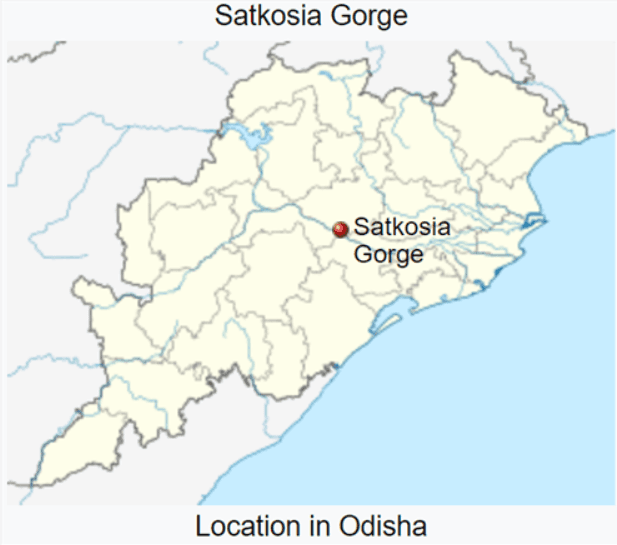
Satkosia Tiger Reserve: 1,136.7 sq km across Angul, Cuttack, Boudh & Nayagarh districts, Odisha.

Created 2007 by merging Satkosia Gorge Sanctuary (1976) and Baisipali WLS (1981).

Ecological transition zone Eastern Ghats–Deccan Plateau; currently hosts zero resident tigers.

Quick Facts for MCQs

Biodiversity Profile

  • Fauna: elephants, leopards, wild dogs, mugger crocodiles, 200+ bird species enrich prey-predator web.
  • Flora: 400+ plant species including Sal, Mahua, Bamboo, prized for NTFPs and medicine.
  • Wetland: Satkosia Gorge Ramsar site supports diverse aquatic ecosystems.

Relocation & Conflict

  • Displacement: 674 families shifted from core; conflict persists over land, grazing, crop depredation.
  • Impact-zone: 234 villages exert resource pressure, escalating elephant and carnivore encounters.
  • Compensation: NTCA guidelines fund relocation packages and livelihood support.

Governance & NTCA

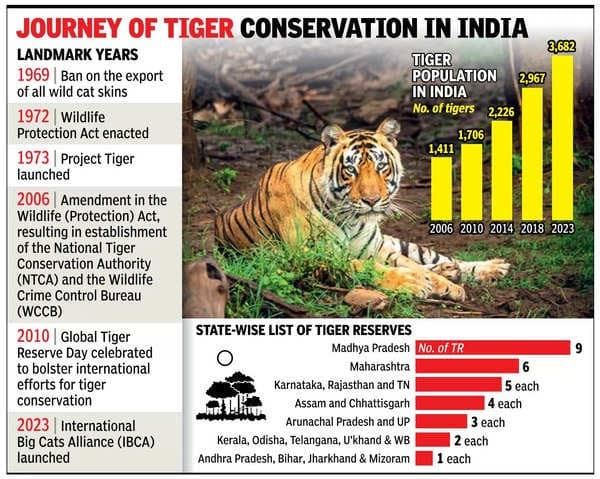
  • Structure: Chaired by Union Environment Minister; statutory under Wildlife Protection Act 1972 amendment 2006.
  • Functions: Approves Tiger Conservation Plans, funds 58 reserves, mandates quadrennial census via M-STrIPES.
  • Powers: Can notify, demarcate, redefine core/buffer areas to curb human interference.

Conservation Attempts

  • Relocation Failure: 2018 release of one male & one female tiger collapsed due to poaching and mismanagement.
  • Monitoring: 2022 camera-trap survey confirmed absence of resident tigers.
  • Future plan: NTCA yet to clear new translocation proposal pending habitat security upgrades.

Key Data Points

FeatureData-Point
Total area1,136.70 sq km
Tiger-reserve notification2007
Tigers in 200712
Tigers in 20220
Families relocated674
Villages in impact zone234
Ramsar tagSatkosia Gorge wetland
Tiger reintroduction2018
Source state for tigersMadhya Pradesh
Oversight authorityNTCA

Related UPSC Prelims PYQs

GS1 2017PYQ 1

From the ecological point of view, which one of the following assumes importance in being a good link between the Eastern Ghats and the Western Ghats ?

GS-3Environment

7.Madhav National Park Tiger Reserve (New Tiger Reserve)

Times of India
Illustration for Madhav National Park Tiger Reserve (New Tiger Reserve)

What & Where

Madhav National Park, Shivpuri (MP) notified 2023 as India’s 58th & state’s 9th Tiger Reserve.

Tiger Reserve = protected area for Bengal tiger habitat under Project Tiger monitored by NTCA.

Designation: State proposal → NTCA nod → MoEFCC notification (WLPA §38V) → core & buffer zoning.

Quick Facts for MCQs

Flora & Fauna

  • Habitat: Dry deciduous forest supports teak, sal, dhok
  • Species: Tiger, leopard, wolf, chinkara, nilgai, mugger crocodile present
  • Reintroduction: Three tigers including two females relocated in 2023

Legal & Policy

  • Authority: NTCA evaluates proposals and oversees via M-STrIPES
  • Statute: Tiger Reserve declared under Wildlife Protection Act 1972 §38V
  • Scheme: Covered by centrally sponsored Project Tiger (1973)

Tourism & Heritage

  • Landmark: George Castle offers panoramic Chambal region views
  • Attraction: Sakhya Sagar Lake popular for boat safaris and birding
  • Economy: Controlled eco-tourism generates livelihoods in buffer villages

Key Data Points

FeatureData-Point
Year NP Established1958
Tiger Reserve Rank (India)58th
Tiger Reserve Rank (Madhya Pradesh)9th
Area354 sq km
Forest TypeDry deciduous (teak, sal, dhok)
Tiger Reintroduction3 tigers in 2023
Major WaterbodySakhya Sagar Lake
Monitoring ToolM-STrIPES

Related UPSC Prelims PYQs

CDS_GK, GS1 2021PYQ 1

In the year 2020 which one of the following tiger reserves of India was declared by UNESCO as a Biosphere Reserve?

CDS_GK, GS1 2012PYQ 2

Consider the following protected areas:

GS-3Environment

8.Climate Impact on Wheat Yield (Wheat & Climate)

The Hindu
Illustration for Climate Impact on Wheat Yield (Wheat & Climate)

What & Where

Wheat; major rabi cereal grown chiefly across Indo-Gangetic Plains, M.P. & parts of Rajasthan, Punjab, Haryana, U.P., Bihar.

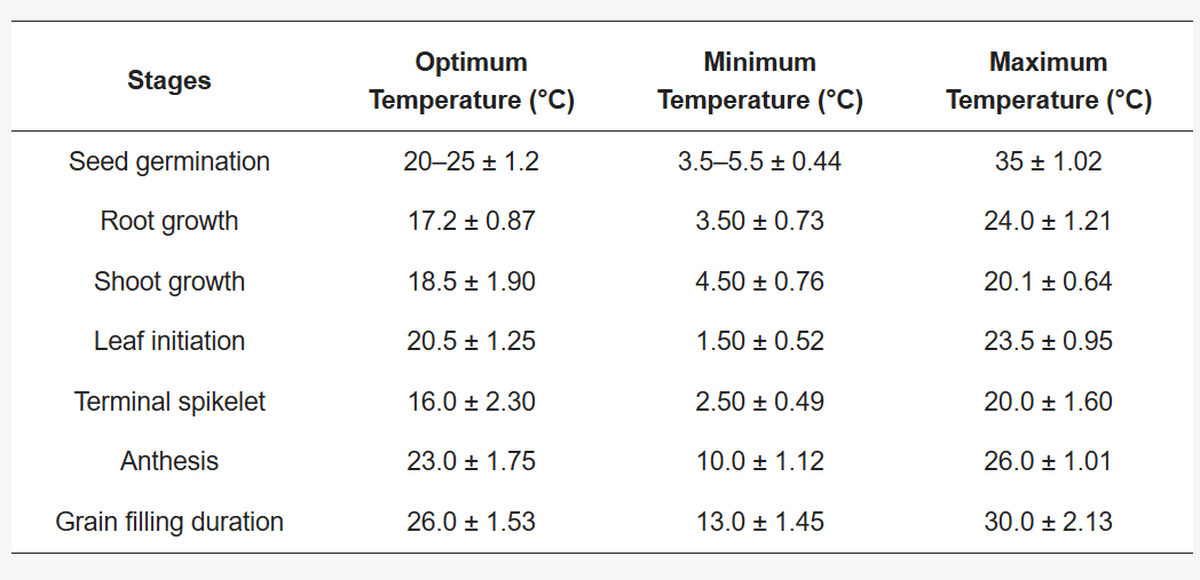
Critical phases; tillering-flowering (Jan-Feb) & grain-filling (Mar) highly temperature-sensitive.

Climatic threats; rising surface air temps + marine heat-wave–induced delayed sowing heighten heat-stress exposure.

Quick Facts for MCQs

Climate Trends

  • Record-breaking February temperatures; IMD flags upcoming intense March heat-waves.
  • Indian Ocean warming delays kharif harvest, pushes wheat sowing late into November.
  • IITM model; marine heat-waves frequency surging, compounding continental heat stress.

Production & Procurement

  • Reduced procurement widens gap between PDS needs and stocks, risks price spikes.
  • Lower milling value grains from heat hurt marketability, farmer earnings.
  • Export curb maintains domestic supply but constrains grower price realisation.

Adaptation Measures

  • Breeding; short-duration, heat-resilient wheat varieties under ICAR & CIMMYT trials.
  • Agronomy; advance sowing calendar, adopt drip, soil-sensor-based fertigation.
  • Policy; climate-indexed insurance, expanded relief & concessional credit for losses.

Key Data Points

FeatureData-Point
Hottest February2025; warmest in 124 years
Forecast heat-wave days (marine)Up to 250 days / yr by 2100
2024-25 national production target115 million tonnes wheat
Govt procurement expectation 2024-2530 million tonnes
Actual procurement Apr-May 202426.6 million tonnes
Export ban imposedMay 2022
Typical grain loss from early heatShorter grain-fill; yield fall 10-15 % (est.)

Related UPSC Prelims PYQs

CAPF_GAI, GS1 2023PYQ 1

Which of the following statements about Ragi crop grown in India is correct?

CAPF_GAI, GS1 2002PYQ 2

Consider the following high yielding varieties of crops in India:

GS-3Species

9.Smooth-Coated Otter Conservation (Vulnerable Mammal)

Down to Earth
Illustration for Smooth-Coated Otter Conservation (Vulnerable Mammal)

What & Where

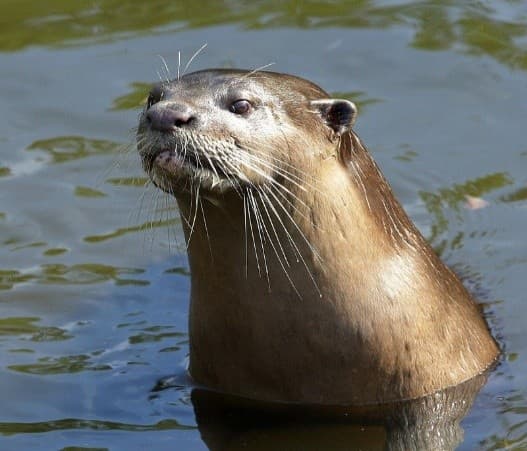
Smooth-coated otter (Lutrogale perspicillata) largest Asian otter species

Wetland carnivore inhabiting rivers, lakes, mangroves, estuaries across South & Southeast Asia

Returning to Delhi Zoo via exchange with Surat Zoo after 20-year absence

Quick Facts for MCQs

Legal & Policy

  • Schedule II listing enables higher penalties for hunting or trade
  • CITES Appendix II mandates export permits, monitor international fur or pet commerce

Threats & Drivers

  • Wetland conversion for agriculture, industry, urban sprawl fragments habitat
  • Poaching persists for fur, ceremonial demand, exotic pet market
  • Fish stock decline from overfishing, pollution lowers prey availability

Conservation Actions

  • Wetland restoration projects enhance connectivity and water quality
  • Anti-poaching patrols and awareness campaigns target illegal trade
  • Zoo exhibits boost public outreach, potential future breeding programmes

Key Data Points

FeatureData-Point
FamilyMustelidae
IUCN Red ListVulnerable
CITESAppendix II
Indian LawSchedule II, Wildlife Protection Act 1972
Core RangeIndia to Indonesia
Key HabitatFreshwater & brackish wetlands
Distinct TraitBroad flattened tail with full webbed feet
Main DietFish, crustaceans, amphibians
Primary ThreatWetland degradation
Zoo Update2024 exchange Surat–Delhi
GS-3EnvironmentQuick Bite

10.US Exit from Loss-Damage Fund (Loss & Damage)

Indian Express

What & Where

Loss and Damage Fund (LDF); UNFCCC financial mechanism created at COP27, Sharm el-Sheikh, Egypt (2022).

Supports developing & small-island states for climate-induced losses: sea-level rise, heatwaves, extreme weather.

Governed by 26-member Board; World Bank acts as interim trustee for first four years.

Quick Facts for MCQs

Legal & Policy

  • Withdrawal signals weakening US commitment after earlier Paris, Green Climate Fund pullbacks.
  • Adds friction to North-South negotiations on equity, historical responsibility.

Financial Commitments

  • Funding gap widens; USD 17.5 million shortfall plus lost future tranches.
  • Current pledges far below estimated annual needs of >USD 400 bn for vulnerable nations.

Impact on Developing Nations

  • Aid uncertainty may delay adaptation projects in coastal Asia, Pacific SIDS.
  • India, already multibillion exposure, must rely more on domestic resilience financing.

Key Data Points

FeatureData-Point
Creation forum/yearCOP27 / 2022
HQ/TrusteeWorld Bank (interim)
Governing Board seats26
Total pledges so far≈ USD 750 million
US pledged before exitUSD 17.5 million
US withdrawal announcedMarch 2025
India’s climate loss (2019-23)USD 56 billion
Key beneficiariesDeveloping & SIDS
Paris Agreement status (US)Re-entered 2021; ongoing disengagement noted
GS-3SpeciesQuick Bite

11.Pelican and Painted Stork Sighting (Water Birds)

The Hindu

What & Where

Pelican: large water bird (genus Pelecanus) with long beak + elastic throat pouch for fishing.

Painted Stork: South-Southeast Asian wetland stork, white body, pink flight feathers, Mycteria leucocephala.

Both species recently recorded at Indira Gandhi Zoological Park, Visakhapatnam, Andhra Pradesh.

Quick Facts for MCQs

Conservation Status

  • Painted Stork tagged Near Threatened due to wetland degradation and pollution pressures.

Ecology & Behaviour

  • Colonies: both species nest/forage communally, enhancing feeding success and predator defence.
  • Mobility: Painted Stork limited to regional dispersal; pelicans can cover wider water networks.
  • Diet methods: Pelican scoops fish with pouch; Painted Stork sweeps bill tactily in shallows.

Habitat & Distribution

  • Pelican range spans every continent except Antarctica, favouring warm lakes, rivers, coastal lagoons.
  • Painted Stork confined to freshwater-brackish wetlands across Indian subcontinent and Southeast Asia.
  • Visakhapatnam sighting highlights Eastern Ghats coastal wetlands’ value for waterbird congregation.

Key Data Points

FeatureData-Point
Pelican genusPelecanus
Painted Stork familyCiconiidae
Pelicans – continental presenceAll except Antarctica
Painted Stork IUCN statusNear Threatened
Pelican dietFish; also amphibians, crustaceans, insects, birds, small mammals
Preferred pelican habitatWarm coastal & inland waters (lakes, rivers)
Painted Stork mobilityPredominantly non-migratory; local movements
Social behaviourBoth species form large colonies
Recent sighting venueIndira Gandhi Zoological Park, Visakhapatnam

Related UPSC Prelims PYQs

GS1 2014PYQ 1

If you walk through countryside, you are likely to see some birds stalking alongside the cattle to seize the insects disturbed by their movement through grasses. Which of the following is/are such bird/birds?

GS-2Misc

12.Africa Health Agenda Conference 2025 (Health Conference)

Down to Earth

What & Where

Premier pan-African health conference uniting policymakers, experts, partners on Africa-specific health solutions

Started 2017 by Amref Health Africa; 2025 edition hosted 3-5 Mar 2025, Kigali, Rwanda

Core agenda: universal health coverage, domestic financing reforms, tech-driven resilient systems across African nations

Quick Facts for MCQs

Health Financing

  • Domestic-resource mobilisation prioritised for stable, self-reliant health budgets
  • Public-private partnerships encouraged to broaden sustainable funding channels
  • USAID suspension spurs hunt for alternative programme financing

Universal Health Coverage

  • Primary-healthcare reaffirmed as UHC cornerstone, echoing Alma-Ata Declaration
  • Equity-focused policies urged to narrow intra-African health gaps

Technology & Innovation

  • Digital-health and AI adoption promoted for wider, faster service delivery
  • Tech solutions expected to streamline diagnostics, surveillance and supply chains

Workforce Concerns

  • Community-health workers seek fair pay and better conditions to sustain frontline care
  • Empowered workforce viewed as pivotal for PHC strength and epidemic readiness

Climate & Disease Burden

  • Climate-resilient facilities advocated to counter weather-linked health threats
  • Strategies needed to manage simultaneous fiscal constraints and rising disease loads

Key Data Points

FeatureData-Point
2025 venueKigali, Rwanda
2025 dates3–5 March 2025
First launched2017
Lead organiserAmref Health Africa
Key partners 2025Rwanda MoH, WHO Africa, Africa CDC
Flagship agenda 2025Domestic resource mobilisation & reduced donor reliance
USAID statusFunding to several African nations suspended
Core health goalUniversal Health Coverage via strong PHC
GS-3Security

13.KHANJAR-XII Military Exercise (Bilateral Exercise)

Economic Times
Illustration for KHANJAR-XII Military Exercise (Bilateral Exercise)

What & Where

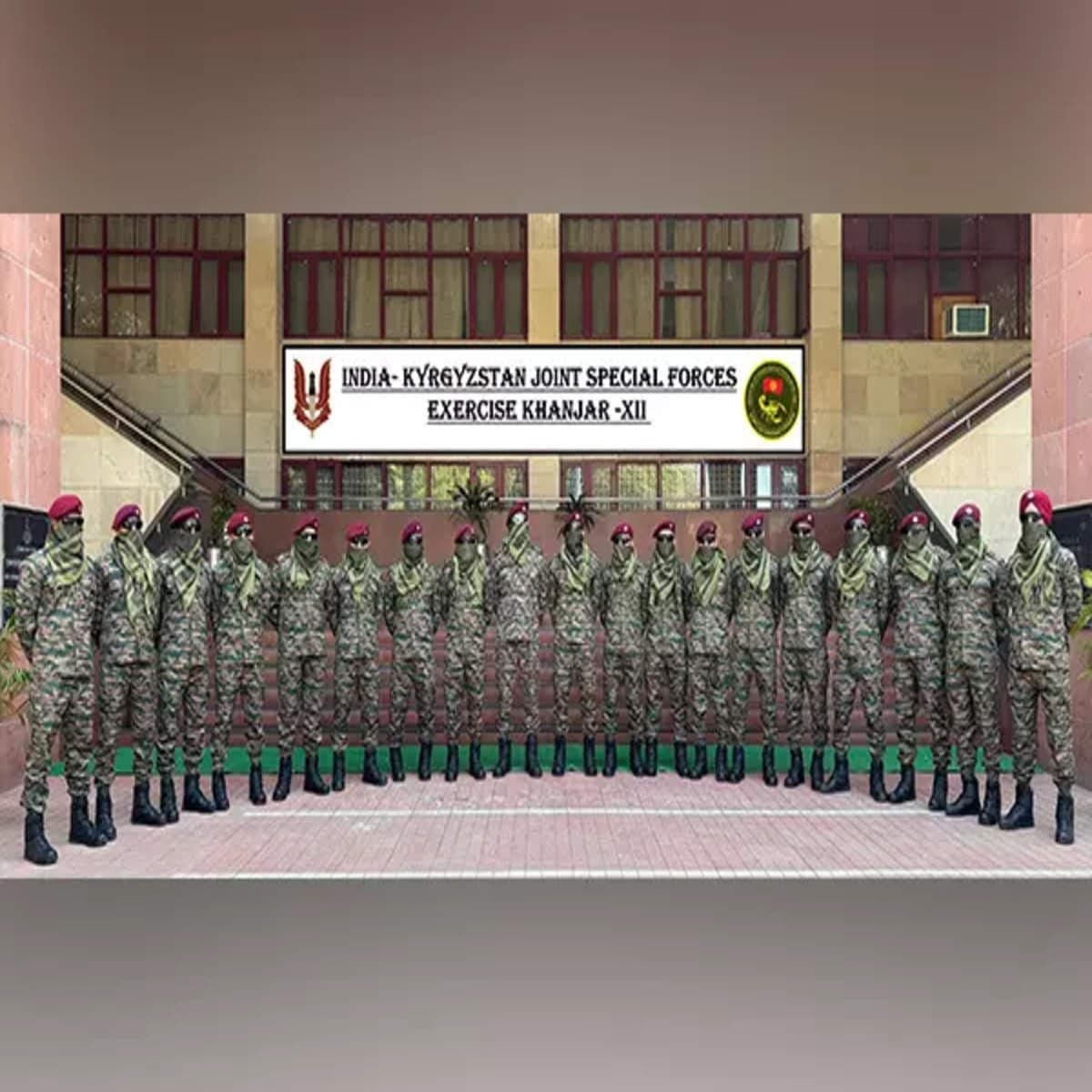
KHANJAR-XII: India–Kyrgyzstan bilateral Special Forces counter-terror exercise

12th edition, hosted in Kyrgyzstan, 10–23 Mar 2025

Annual since 2011, venue alternates between both countries’ high-altitude terrains

Quick Facts for MCQs

Security Dimension

  • Terrorism; joint drills target regional extremist threats
  • Interoperability; combined planning enables seamless multinational operations
  • Hostage-rescue; scenarios sharpen civilian-protection under fire

Operational Training

  • Mountain-warfare; sniping, survival in high-altitude Kyrgyz ranges
  • Close-quarter combat; room-clearing, complex-building breach techniques
  • Urban-intervention; mock-town assaults for swift neutralisation

Bilateral Relations

  • Defence-cooperation; complements India-Kyrgyz defence agreement mechanisms
  • Confidence-building; yearly rotation deepens trust among elite troops
  • Central-Asia outreach; bolsters India’s strategic footprint beyond the Himalayas

Key Data Points

FeatureData-Point
Edition12th
First year2011
2025 hostKyrgyzstan
2025 dates10–23 Mar
Indian unitParachute Regt (SF)
Kyrgyz unitKyrgyz Scorpion Brigade
Core focusCounter-terrorism, SF tactics
PeriodicityAnnual, alternate venue

Related UPSC Prelims PYQs

CAPF_GAI, CDS_GK 2023PYQ 1

The 16th edition of Indo-Nepal annual joint training exercise in jungle warfare and counter-terrorism operations was held in December 2022 at Nepal Army Battle School, Saljhandi. What is the name of this exercise?

CAPF_GAI, CDS_GK 2023PYQ 2

Exercise Ajeya Warrior is a biennial training event between the Indian Army and the army of:

Ready to practice?

Test your knowledge with our UPSC test series.

Start Free Trial