UPSC Current Affairs

19 topicsGS-1: 6GS-2: 6GS-3: 7
0/19 done
GS-2Polity

1.Rarest of Rare Doctrine (Death Penalty)

The Hindu

What & Where

Definition: ‘Rarest of rare’ limits death penalty to exceptional murders shocking collective conscience in India

Process: Judge conducts sentencing hearing, applies Bachan Singh proportionality plus Machhi Singh five-factor test

Jurisdiction: Applied by Supreme Court + all High Courts under Articles 136, 142, 226

Quick Facts for MCQs

Legal & Policy

  • Principle: Death penalty exception, life imprisonment rule, satisfies substantive due process under Article 21
  • Safeguard: Judge must balance aggravating–mitigating factors; absence of alternative punishment bars gallows
  • Ambiguity: No statutory criteria; heavy reliance on judicial precedent

Judicial Interpretation

  • Category: Manner, motive, magnitude, impact, vulnerability guide rarity assessment
  • Trend: Courts increasingly commute where reformation possible, cite evolving penology
  • Contrast: Recent Kolkata RG Kar mercy vs Sharon double-murder gallows revives consistency debate

Constitutional Context

  • Equality: Article 14 invoked against arbitrary mandatory sections, success in Mithu case
  • Freedom: Article 19 freedoms limited only by procedure established by law, upheld in Jagmohan
  • Life & Personal Liberty: Article 21 core; death sentence valid only via fair, just, reasonable law

Key Data Points

FeatureData-Point
First constitutionality caseJagmohan Singh v UP (1972)
Doctrine establishedBachan Singh v Punjab (1980)
Mandatory death struckMithu v Punjab (1983)
Five-factor test caseMachhi Singh v Punjab (1983)
IPC section invalidatedSec 303 (life-convict murder)
Key Articles examined14, 19, 21
Discretion principleSentencer must record special reasons
Victim categories flaggedChild, woman, elderly, disabled
Motive thresholdExtreme moral depravity
Social conscience phrase“Collective conscience of society”
GS-2Polity

2.CEC Appointment Process (Election Commission)

Indian Express

What & Where

Chief Election Commissioner Act 2023 sets rules for appointment, service conditions, removal of CEC and Election Commissioners.

Replaces 1991 law; new Selection Committee = Prime Minister + Leader of Opposition + Union Cabinet Minister, excluding CJI.

Enacted after SC’s Anoop Baranwal 2023 verdict that had instituted an interim PM-LoP-CJI panel.

Quick Facts for MCQs

Legal & Policy

  • Override of SC-mandated CJI role questioned under separation-of-powers, petitions pending.
  • Section 8 lets committee bypass Search shortlist, widening executive discretion.
  • Functioning during LoP vacancy grants two-member executive majority.

Institutional Concerns

  • Executive dominance may erode Election Commission independence and electoral credibility.
  • ECs enjoy weaker removal protection than CEC, exposing them to political pressure.
  • Law-ministry-led Search Committee embeds executive influence before selection stage.

International Examples

  • South Africa uses panel of Constitutional Court President, human-rights and gender bodies.
  • United Kingdom requires House of Commons approval for commissioners.
  • United States relies on Presidential nomination with Senate confirmation.

Key Data Points

FeatureData-Point
Replaced statuteElection Commission Act 1991
Selection Committee seatsPM, LoP (or largest opposition leader), Union Cabinet Minister
Search Committee headUnion Law Minister
Shortlist size5 names; Section 8 allows additional picks
EligibilityFormer GoI Secretary rank, proven integrity & election-management experience
Tenure cap6 years or 65 years, whichever earlier
Salary parityEqual to Supreme Court judge
ReappointmentNot allowed; EC promoted to CEC still ≤ 6 years total
Removal shieldCEC like SC judge; EC removable only on CEC recommendation
Vacancy ruleCommittee valid even if LoP seat vacant

Related UPSC Prelims PYQs

CDS_GK, GS1 2022PYQ 1

Which one of the following statements with regard to the Election Commission is not correct ?

CDS_GK, GS1 2002PYQ 2

Consider the following statements with reference to India:

GS-3Economy

3.India Textile Sector Outlook (Textile Exports)

SANSAD TV
Illustration for India Textile Sector Outlook (Textile Exports)

What & Where

Definition: Integrated fibre-to-fashion industry covering cotton, MMF, technical, handloom and apparel value-chains.

Key types/processes: Spinning-weaving-processing, technical textiles, sustainable/organic fabrics, AI-driven smart manufacturing.

Core geography: Major clusters in Gujarat (Surat, Ahmedabad), Maharashtra (Ichalkaranji, Mumbai), Tamil Nadu (Tiruppur, Coimbatore).

Quick Facts for MCQs

Economic Angle

  • Export ambition: Tripling by 2030 via FTAs, value-added MMF & technical segments.
  • Investment pull: MITRA parks, PLI incentives aimed at capex spike and cost competitiveness.
  • Market concentration: USA-EU dominance highlights urgency for diversification into new geographies.

Tech & Schemes

  • Innovation push: AI, IoT quality control, 3D weaving underpin smart textiles drive.
  • Scheme bouquet: PLI, PM-MITRA, IPDS, NHDP collectively address production, infra, environment, artisan support.
  • R&D focus: Grants to expand high-performance technical textiles, composites, geotextiles.

Challenges & Gaps

  • Import dependence: Costly synthetic fibre, petro-chem feedstock hurt MMF price edge.
  • Sustainability strain: Water-intensive dyeing, limited ZLD adoption, compliance risk with green norms.
  • Skill deficit: Shortage in automation, composite fabrication, advanced finishing technologies.

Key Data Points

FeatureData-Point
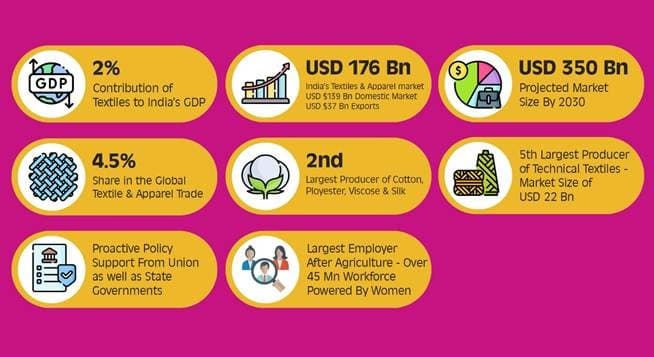
Global rank in exports6th; 8.21 % share (FY 24)
Direct employment45 million persons
Indirect livelihood>100 million, largely rural & women
Targeted export jump₹3 lakh cr → ₹9 lakh cr by 2030
Top markets shareUSA + EU = 47 % of exports
PLI outlay₹10,683 crore
PM-MITRA parks7 parks; $10 billion expected investment
Technical textiles market goal$300 billion by 2047
Samarth skilling10 lakh artisans/workers
Bharat Tex 2025 venueNew Delhi

Related UPSC Prelims PYQs

CDS_GK 2025PYQ 1

Consider the following statements with reference to the Cotton textile industry in India:

CDS_GK 2024PYQ 2

Which of the following industries was most affected by the ‘de-industrialisation’ of India in the 19th century?

GS-1History

4.Chhatrapati Shivaji Maharaj (Maratha Empire)

Indian Express

What & Where

Maratha king Shivaji Maharaj; 17th-century architect of sovereign Hindavi Swarajya

Coronation Raigad Fort, 6 June 1674, formalised Chhatrapati title

Core theatre Western Deccan-Konkan; hill-fort arc Torna–Pratapgad–Raigad

Quick Facts for MCQs

Early Life

  • Birth Shivneri Fort 1630 to Shahaji general and Jijabai devout
  • Torna fort seized 1645 demonstrating early military audacity
  • Kondana capture broadened nascent Swarajya within Bijapur domain

Military Campaigns

  • Pratapgad 1659 killed Afzal Khan; Maratha tactics validated
  • Pavan Khind 1660 Baji Prabhu rear-guard enabled Vishalgad escape
  • Surat sack 1664 financed expansion; Sangamner 1679 final fight

Governance

  • Ashtapradhan eight-member council; Peshwa chief advisor
  • Ryotwari land system, Kathi measurement; mirasdars kept under watch
  • Chauth 25 % and Sardeshmukhi 10 % ensured steady off-territory revenue

Mughal Relations

  • Purandar treaty 1665 ceded forts; Sambhaji jagir Berar granted
  • Agra visit 1666 ended in arrest; fruit-basket escape legendary
  • 1670 counter-offensive regained western forts, revived war with Aurangzeb

Key Data Points

FeatureData-Point
Birthdate19 Feb 1630
BirthplaceShivneri Fort, Pune
FatherShahaji Bhonsle
Coronation6 Jun 1674, Raigad
Main titlesChhatrapati, Shakakarta, Kshatriya-Kulavantas, Haindava-Dharmodhhaarak
Death3 Apr 1680
Advisory councilAshtapradhan – 8 ministers
Treaty of Purandar1665 with Jai Singh I
Chauth levy25 % on external territories
SardeshmukhiAdditional 10 % levy
Last battleSangamner 1679

Related UPSC Prelims PYQs

CDS_GK 2023PYQ 1

Arrange the following events associated with Shivaji in chronological order :

CDS_GK 2024PYQ 2

Consider the following statements about the administrative measures of Shivaji:

GS-1HistoryQuick Bite

5.Ramakrishna Paramhansa Legacy (Ramakrishna Paramhansa)

PIB
Illustration for Ramakrishna Paramhansa Legacy (Ramakrishna Paramhansa)

What & Where

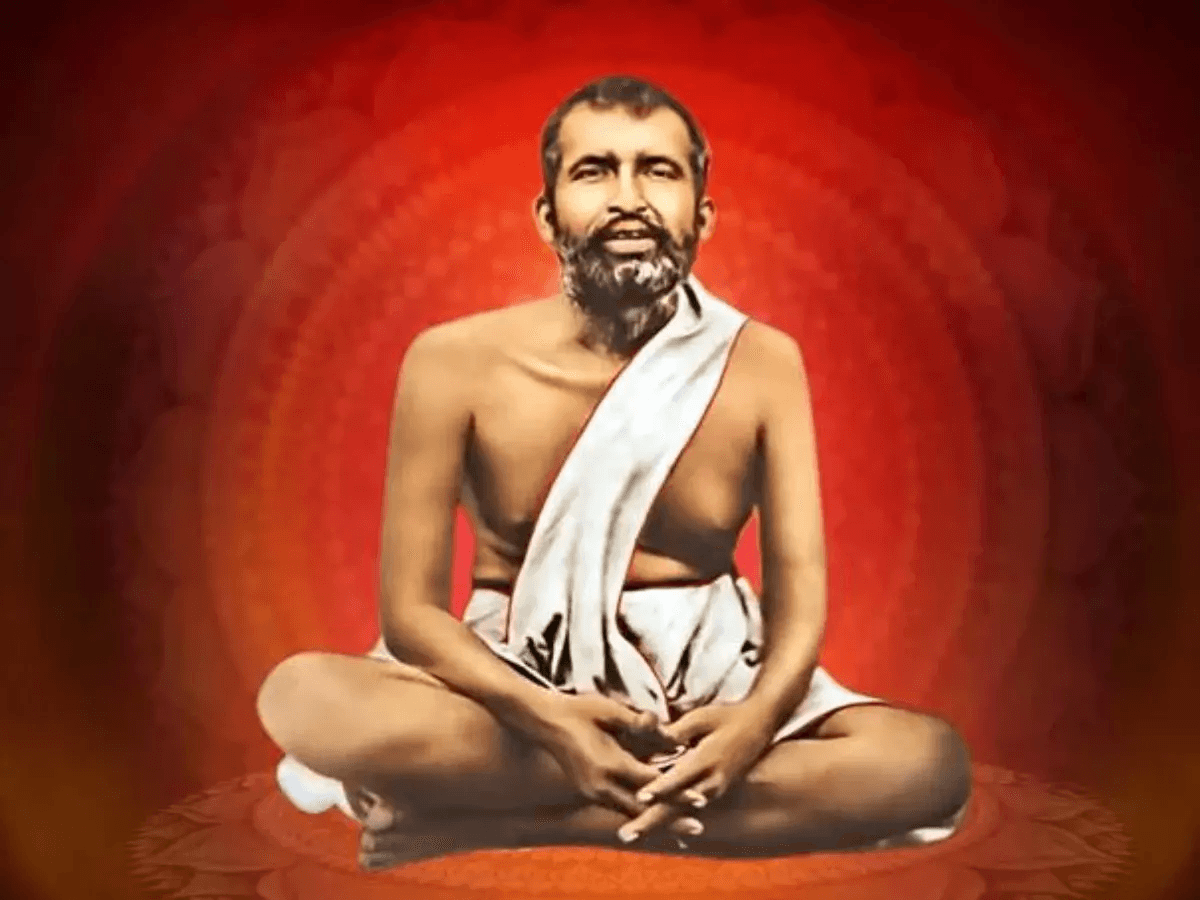
19th-century Bengali mystic born Gadadhar Chattopadhyaya, later revered as Ramakrishna Paramahamsa.

Principal seat of worship: Dakshineswar Kali Temple, near Calcutta (now Kolkata), West Bengal.

Taught harmony of religions through lived practice of Tantra, Bhakti, Vaishnavism, Advaita Vedanta.

Quick Facts for MCQs

Personal Milestones

  • Experienced first spiritual ecstasy at age 6 while watching white cranes against dark clouds.
  • Accepted title “Paramahamsa” after attaining non-dual realization acknowledged by peers.

Spiritual Practices

  • Tantra: undertook 64 stringent sadhanas under Bhairavi Brahmani’s guidance.
  • Vaishnavism & Bhakti: worshiped Rama, Krishna; practiced madhura-bhava devotion.
  • Advaita Vedanta: trained by Totapuri, attained nirvikalpa samadhi within hours.

Legacy & Institutions

  • Ramakrishna Mission blends monastic service with social welfare; HQ at Belur Math, Howrah.
  • Swami Vivekananda’s 1893 Chicago address credited Ramakrishna for inspiration on religious unity.
  • Birth anniversary (18 Feb) observed nationally; PM pays homage annually.

Literature Record

  • Kathamrita captures verbatim dialogues, compiled between 1883-86 in diary form.
  • Text considered primary source on 19th-century bhakti renaissance in Bengal.

Key Data Points

FeatureData-Point
Birth date18 Feb 1836
Birth placeKamarpukur, Bengal Presidency
Birth nameGadadhar Chattopadhyaya
Deity of devotionGoddess Kali
Main temple servedDakshineswar Kali Temple
Core messageAll faiths lead to same truth
Foremost discipleNarendra Nath Datta (Swami Vivekananda)
Mission foundedRamakrishna Mission, 1897
Mission founderSwami Vivekananda
Teachings chronicle“Sri Sri Ramakrishna Kathamrita”
ChroniclerMahendranath Gupta (M.)
English translation title“The Gospel of Sri Ramakrishna” (1942)

Related UPSC Prelims PYQs

CDS_GK, GS1 2006PYQ 1

“Lectures from Colombo to Almora” is based on the experiences of which one of the following?

CDS_GK, GS1 2023PYQ 2

Who among the following founded the Hindu Dharma Sabha in the 19th century?

GS-1S&T

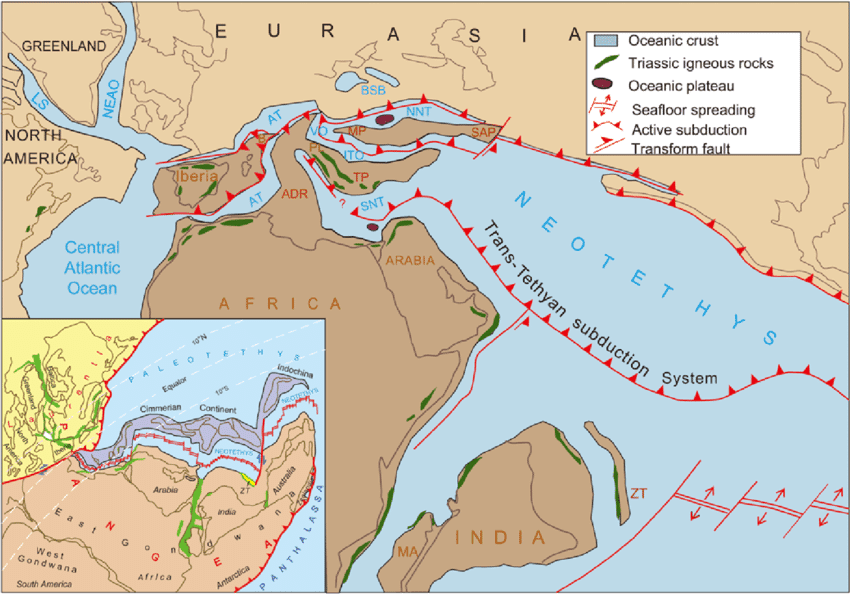
6.Neotethys Plate Breakup (Neotethys Plate)

SD
Illustration for Neotethys Plate Breakup (Neotethys Plate)

What & Where

Neotethys: ancient oceanic plate between Arabian and Eurasian continents, remnants now beneath Zagros Mountains, West Asia

Setting: northward Arabian plate collides with Eurasian plate, driving subduction, break-up and mantle recycling

Outcome: collision uplifts Zagros, Alborz, Iranian Plateau and intensifies quakes, creates Mesopotamian sedimentary basin

Quick Facts for MCQs

Plate Boundaries

  • Convergent: oceanic-continental subduction creates trenches, mountains, volcanic arcs; example Juan de Fuca under North American
  • Divergent: Mid-Atlantic Ridge exemplifies seafloor spreading, new crust generation
  • Transform: San Andreas Fault shows lateral slip, frequent earthquakes

Regional Geography

  • Zagros: mountain loading sinks adjacent crust forming Mesopotamian sedimentary basin
  • Collision: Arabian–Eurasian convergence uplifted Alborz Mountains and Iranian Plateau
  • Iceland: divergent Eurasian–North American boundary pulls island apart at 2.5 cm yr-1

Movement Drivers

  • Convection: mantle currents from primordial plus radioactive heat drive horizontal plate drift
  • Speed: East Pacific Rise spreads fastest > 15 cm yr-1; Arctic Ridge slowest < 2.5 cm yr-1
  • Material: dense basaltic oceanic crust subducts beneath lighter granitic continental crust

Key Data Points

FeatureData-Point
Neotethys age contextFormed during breakup of Pangaea
Present interactionSubducting below Eurasian crust under Zagros
Arabian plate motionNorthward, minor plate
Eurasian plate drift rate0.25–0.5 in yr-1
Fastest spreading ridgeEast Pacific Rise > 15 cm yr-1
Slowest spreading ridgeArctic Ridge < 2.5 cm yr-1
GS-1GeographyQuick Bite

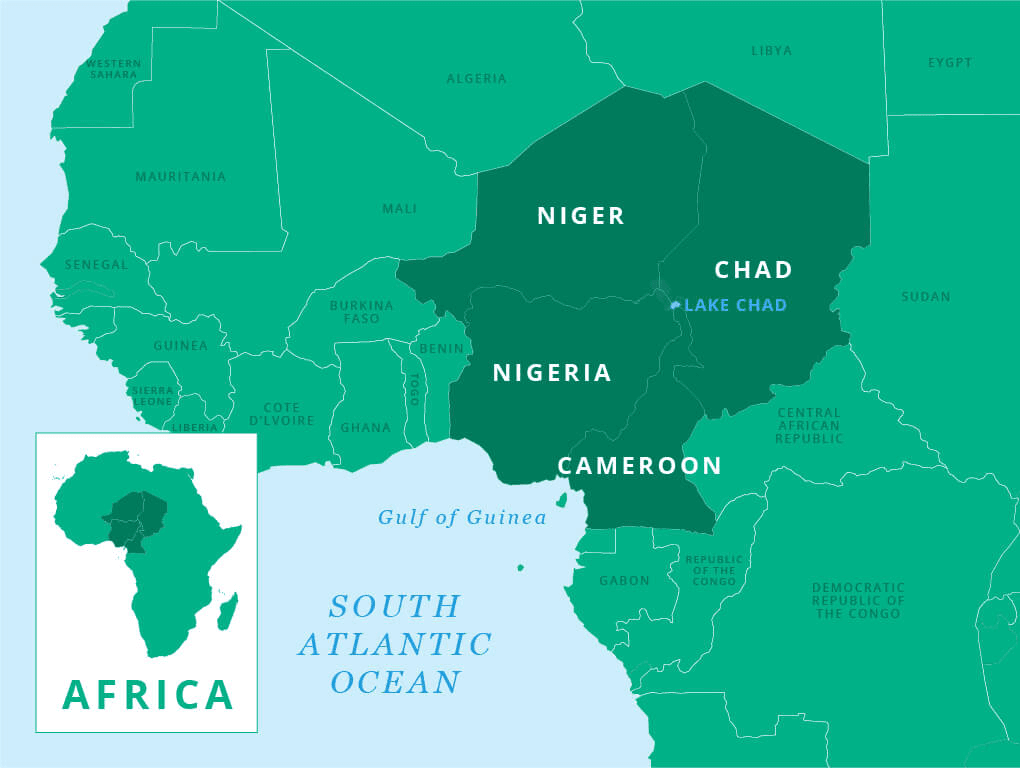
7.Lake Chad Overview (Lake Chad Basin)

The Hindu
Illustration for Lake Chad Overview (Lake Chad Basin)

What & Where

Operation Haskanite: Chad-led military campaign ended Feb 2025 targeting Boko Haram enclaves in Lake Chad region

Lake Chad region: shrinking freshwater basin straddling Nigeria, Niger, Cameroon, Chad in north-west Africa

Boko Haram: Nigeria-based Islamist insurgent group; name translates Western education is forbidden

Quick Facts for MCQs

Security Dimension

  • Offensive concluded: Operation Haskanite dismantled several Boko Haram camps around lake islands
  • Insurgent tactics: Boko Haram uses marshy terrain and porous borders for mobility and surprise raids
  • Strategic basin: Control over Lake Chad shores vital for regional counter-terror collaboration among four nations

Historical Footprint

  • Paleolithic presence: Archaeological finds trace humans in basin from 2.6 mya to 10 kya
  • Sao civilisation: 5th-century culture known for fishing, hunting, farming and distinctive terracotta artefacts
  • Archaeological remains: Rich artefacts across basin showcase Sao expertise in fishing, hunting, farming

Humanitarian Concerns

  • Aid need: Over 10 million people in Lake Chad basin affected by poverty, climate change, conflict
  • Displacement link: Boko Haram violence intensifies humanitarian crisis through killings and mass movements
  • Environmental stress: Lake shrinkage amplifies food insecurity and livelihood losses in adjoining states

Key Data Points

FeatureData-Point
Operation nameHaskanite
Lead countryChad
Target groupBoko Haram
Lake Chad nationsNigeria · Niger · Cameroon · Chad
Boko Haram meaningWestern education is forbidden
Humanitarian need>10 million people
Ancient civilisationSao (5th century CE)
Earliest presencePaleolithic era (2.6 mya–10 kya)
Lake typeFreshwater
GS-1Mapping

8.Caspian Sea Geography (Inland Water Body)

The Telegraph

What & Where

World’s largest inland water body, legally ambiguous lake–sea.

Lies between Europe & Asia; east of Caucasus, west of Central-Asian steppe.

Littoral states: Russia, Kazakhstan, Turkmenistan, Iran, Azerbaijan.

Quick Facts for MCQs

Hydrology & Ecology

  • Endorheic basin; water level controlled by inflow–evaporation balance, now declining.
  • Brackish habitat houses unique species: Caspian seal, beluga sturgeon.
  • Russia proposes joint monitoring, Volga discharge regulation.

Economic Angle

  • Holds ≈50 bn barrels oil, major gas fields; cornerstone of regional energy exports.
  • Baku-Tbilisi-Ceyhan pipeline moves Caspian crude to Mediterranean.
  • Caviar-centric sturgeon fishery significant to littoral economies.

Geopolitical & Cooperation

  • 2018 Convention on Legal Status allocates seabed, leaves water column common.
  • Tehran Forum discusses transport corridors, energy swaps, environment.
  • Five states weigh collective action to stabilise sea level.

Key Data Points

FeatureData-Point
TypeEndorheic salt-lake / closed sea
Salinity≈1.2 % (below ocean)
Ancient originRemnant of Paratethys Sea
Main river inflowVolga (Europe’s longest)
Other inflowsUral, Terek, Kura-Aras, Sulak-Samur, Atrek
Largest coastal cityBaku, Azerbaijan
Prime resourcesOil, natural gas, sturgeon biodiversity
Area statusWorld’s largest inland water body
Littoral groupingRussia, Kazakhstan, Turkmenistan, Iran, Azerbaijan
3rd Caspian Econ ForumTehran, Russia pushed water-level measures

Related UPSC Prelims PYQs

GEO_GS, GS1 2022PYQ 1

Volga River drains into which one of the following seas?

GEO_GS, GS1 2003PYQ 2

Which one of the following countries does NOT border the Caspian Sea?

GS-1Mapping

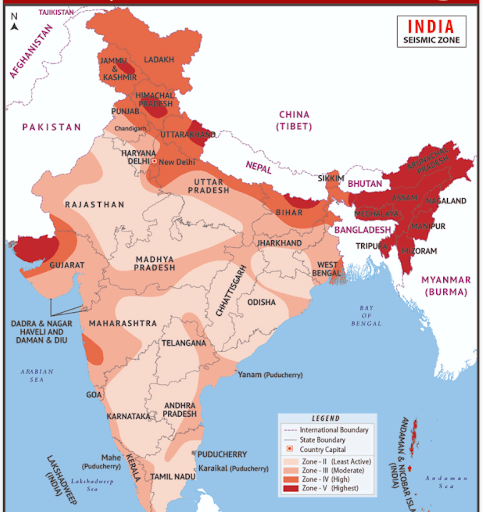
9.Delhi Seismic Activity (Seismic Zones)

Times of India
Illustration for Delhi Seismic Activity (Seismic Zones)

What & Where

Earthquake = sudden energy release along crustal faults, generating seismic waves.

Shallow-focus (≤10 km) quakes cause stronger surface shaking than deeper events.

4.0-magnitude shock struck Delhi-NCR; epicentre Dhaula Kuan near Delhi-Hardwar Ridge.

Quick Facts for MCQs

Seismic Faults

  • Delhi-Hardwar Ridge & Mahendragarh-Dehradun Fault accumulate stress, trigger moderate quakes.
  • Tectonic-stress release along these faults produced recent tremor.
  • Shallow hypocentre heightens ground acceleration in NCR.

Zoning & Risk

  • India classified into Zones 2–5; risk rises numerically.
  • Zone 4 covers Delhi, J&K, Bihar; Zone 5 covers highest-risk Himalayan arc.
  • Alluvial Yamuna floodplain in Delhi magnifies perceived shaking.

Measurement Scales

  • Richter: logarithmic magnitude, energy oriented.
  • Modified Mercalli Scale: subjective intensity felt, I–XII.
  • MSK: preferred for Indian structural-damage assessment.

Key Data Points

FeatureData-Point
Observed magnitude4.0 (Richter)
Epicentre siteDhaula Kuan, Delhi
Delhi seismic zoneZone 4 (high risk)
Key local faultsDelhi-Hardwar Ridge; Mahendragarh-Dehradun
Shallow focus depth≈5–10 km (general definition)
Zone 5 exampleHimalayan belt
Richter step-up10× shaking; 32× energy
MMS intensity rangeI (Not felt) – XII (Total destruction)
Scale in Indian hazard mapMSK scale
Soft soil effectAmplifies seismic waves

Related UPSC Prelims PYQs

CDS_GK, GS1 2021PYQ 1

Who amongst the following will be at more risk with respect to the earthquake hazard zone specified by the Geological Survey of India?

CDS_GK, GS1 2004PYQ 2

Consider the following geological phenomena:

GS-3Environment

10.TrailGuard AI Surveillance (Anti-Poaching Tech)

The Hindu
Illustration for TrailGuard AI Surveillance (Anti-Poaching Tech)

What & Where

Definition: TrailGuard AI—low-power, AI-enabled camera system for real-time anti-poaching surveillance in forests

Geography: First major success in Similipal Tiger Reserve, Odisha; now active across 5 Indian states

Process: Detect-classify-transmit image within 40 s, triggering ranger mobilisation via cellular, WhatsApp, VHF

Quick Facts for MCQs

Tech & Schemes

  • Compactness: Concealable design reduces camera vandalism, ensures covert data capture
  • Energy-efficiency: Low-power standby extends field deployment without frequent ranger visits
  • Scalability: Affordable pricing enables landscape-level roll-out under Project Tiger funds

Environmental Impact

  • Wildlife-protection: 80 % poaching cut boosts tiger, elephant safety in Similipal biosphere
  • Deterrence: Instant detection increases perceived risk, discouraging snares, electrocution traps
  • Biodiversity-gain: Reduced illegal hunting aids ecosystem balance and prey base recovery

Security Dimension

  • Rapid-response: WhatsApp + VHF alerts marshal beat staff within minutes of breach
  • Intelligence-led: Photo evidence guides house raids, strengthening conviction rates under WLPA 1972
  • Community-trust: Visible enforcement lowers human-wildlife conflict fears among fringe villages

Key Data Points

FeatureData-Point
DeveloperNightjar Technologies, Gurgaon
Core chip taskClassifies ‘animal’, ‘human’, ‘vehicle’ on-board
Image relay time30–40 seconds to control room
Battery life6 months – 1 year
Unit cost₹50,000–53,000
Hardware sizePen-sized camera, notepad-sized battery, 2 m cable
Network usedCellular (4G/3G/2G fallback)
Poaching drop at Similipal~80 %
Current coverage14 locations in 5 states
Other sitesKanha TR (MP), Dudhwa NP (UP)
GS-3Species

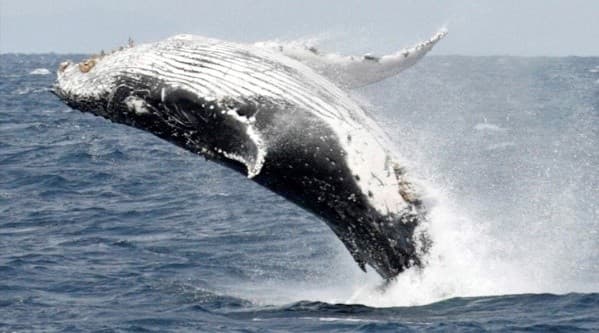
11.Humpback Whale Facts (Endangered Mammal)

Indian Express
Illustration for Humpback Whale Facts (Endangered Mammal)

What & Where

Definition: Humpback whale is a large baleen whale known for breaches, songs, long migrations

Classification: Whales split into Baleen (Mysticeti) vs Toothed (Odontoceti); humpback belongs to former

Geography: Global oceans; news incident in Strait of Magellan, Chile, during south-Pacific feeding grounds

Quick Facts for MCQs

Taxonomy & Classification

  • Order: Cetacea; subdivided into Mysticeti and Odontoceti
  • Mysticeti members: humpback, blue, gray whales
  • Odontoceti members: sperm, beaked, killer whales, dolphins

Feeding Ecology

  • Bubble-net: Multiple whales create spiral bubbles trapping prey
  • Filter-feeding: Baleen plates sieve seawater, retain krill and fish
  • Diet shift: Feeds intensively in high-latitude summers, fasts while breeding

Behaviour & Communication

  • Breach: Possible parasite removal, energy display, long-range signal
  • Song: Male vocal sequences attract females, change annually
  • Migration: One of longest mammal migrations, ~8,000 km each way

Conservation & Threats

  • Recovery: Populations improving post-whaling moratorium yet uneven regionally
  • Ongoing risks: Ship strikes, entanglement, noise pollution, climate-driven prey shifts
  • Protection: IWC moratorium, multiple national marine sanctuaries

Key Data Points

FeatureData-Point
Scientific nameMegaptera novaeangliae
Whale familyBaleen (Mysticeti)
Adult length12–16 m
Adult weightUp to 36 t
Feeding apparatusKeratinous baleen plates
Main dietKrill, plankton, small fish
Signature methodBubble-net feeding
Annual migrationPolar feeding ⇄ Tropical breeding, thousands km
Acoustic traitMales sing evolving, population-specific songs
Display behaviourBreaching, tail slapping
IUCN statusVulnerable
Recent event siteStrait of Magellan, Chile
GS-3S&T

12.ISRO Vertical Planetary Mixer (Space Propellant Tech)

BT
Illustration for ISRO Vertical Planetary Mixer (Space Propellant Tech)

What & Where

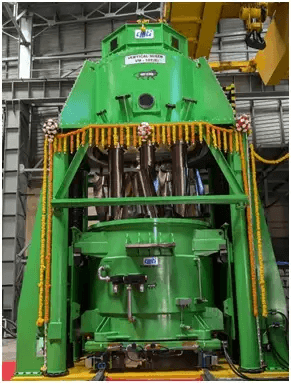
Definition: Vertical Planetary Mixer—high-capacity system blending solid propellant ingredients for rocket motors.

Process: Multiple hydrostatic-driven agitators, PLC-SCADA remote control, uniform hazardous-material mixing.

Geography: Jointly built by SDSC Sriharikota (ISRO) & CMTI Bengaluru under Atmanirbhar Bharat.

Quick Facts for MCQs

Tech & Schemes

  • Atmanirbhar Bharat: project showcases indigenous design, manufacturing, commissioning.
  • Automation: SCADA allows off-site monitoring, precision dosing, reduced manual exposure.
  • Innovation: largest planetary mixer globally sets new benchmark for propellant processing equipment.

Industrial Impact

  • Throughput: single 10-tonne batch cuts mixing cycles, boosts rocket-motor production rate.
  • Supply-chain: reduces foreign equipment dependence, nurtures domestic advanced-manufacturing ecosystem.
  • Collaboration: taps academia-industry expertise, spurring spin-offs in composites and speciality chemicals.

Safety Dimension

  • Hazard-handling: sealed vessel, remote operation minimise worker exposure to energetic materials.
  • Quality: uniform composition lowers misfire risk, enhances launch reliability.
  • Monitoring: real-time SCADA diagnostics enable rapid anomaly detection, preventive maintenance.

Key Data Points

FeatureData-Point
Batch capacity10 tonnes (world’s largest)
Unit weight150 tonnes
Dimensions (L × B × H)5.4 m × 3.3 m × 8.7 m
DevelopersSDSC-ISRO + CMTI
Drive systemMultiple hydrostatic agitators
ControlPLC with SCADA remote stations
Strategic aimIndigenous solid-propulsion capability
Key beneficiariesPSLV, GSLV, future heavy-lift rockets
GS-3InfrastructureQuick Bite

13.Project Waterworth Cable Network (Subsea Cables)

The Hindu
Illustration for Project Waterworth Cable Network (Subsea Cables)

What & Where

Subsea cable networks: high-capacity optic fibres laid on ocean floor enabling global high-speed data exchange.

Project Waterworth: Meta’s planned 50,000 km cable reaching 7,000 m depth—poised to be world’s longest.

Route will link India, USA, Brazil, South Africa and more; commercial service targeted for 2030.

Quick Facts for MCQs

Tech Specs

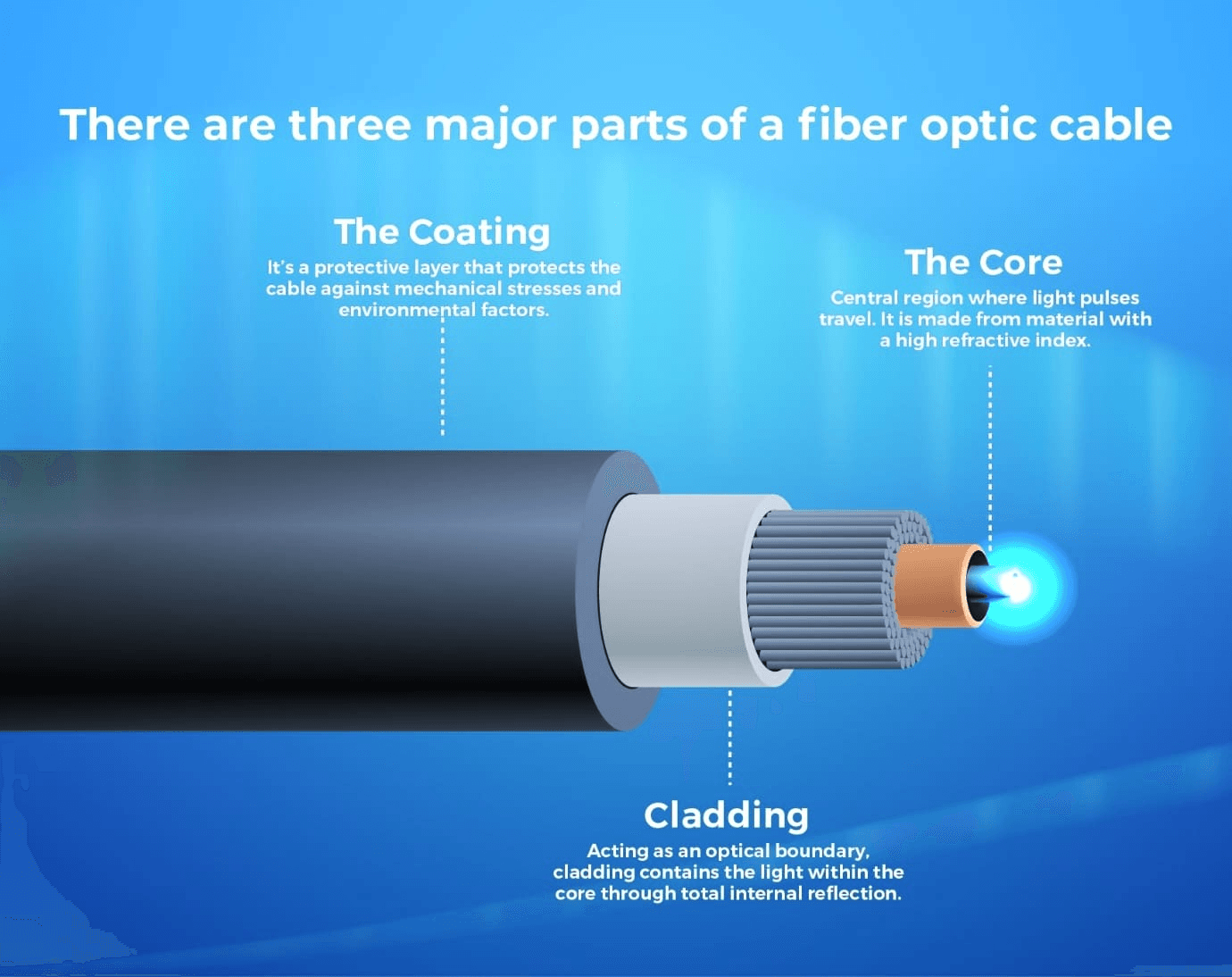
  • Light pulses travel through glass cores, reflected internally for minimal signal loss.
  • Multi-layer armour shields cables from pressure, corrosion, fishing gear.
  • Immune to space weather, radiation, orbital debris unlike satellite links.

India Initiatives

  • IAX boosts East-bound capacity to ASEAN digital hubs by 2025-26.
  • IEX offers alternate West-bound path to Europe, West Asia, Africa.
  • Both cables anchor at Chennai & Mumbai—India’s primary landing stations.

Comparative Edge

  • Fiber optics deliver virtually unlimited bandwidth, crucial for data-hungry AI/cloud services.
  • Subsea latency far lower than GEO/MEO satellites, enhancing real-time applications.
  • Robust undersea routes diversify global connectivity, reduce single-point failures.

Key Data Points

FeatureData-Point
PromoterMeta Platforms
Project nameWaterworth
Planned length50,000 km
Maximum depth~7,000 m
Scheduled operation2030
Major landingsIndia, US, Brazil, South Africa
Cable typeSubsea optical fibre
Key transmissionLight pulses via total internal reflection
Protective layersPlastic sheath + optional steel armour
India’s East routeIndia Asia Xpress (IAX)
IAX connectsChennai/Mumbai ↔ Singapore, Thailand, Malaysia
India’s West routeIndia Europe Xpress (IEX)
IEX connectsChennai/Mumbai ↔ France, Greece, Saudi Arabia, Egypt, Djibouti
Comparative edgeUnlimited bandwidth, low latency vs satellites
GS-2Editorial

14.China Weaponizes Supply Chains (Supply Chain Security)

The Hindu

What & Where

Supply-chain weaponisation: Beijing restricts engineers, equipment, minerals to slow India’s electronics, tunnel and strategic projects

Core sites: Apple-Foxconn units in Chennai & Bengaluru; German TBMs for metros; Himalayan tunnels near Line of Actual Control

Geography impact: India-China trade route dominates critical minerals; gallium extractable from Indian bauxite, germanium still import-bound

Quick Facts for MCQs

Supply-Chain Tactics

  • Restriction Chinese technicians withheld from Apple-Foxconn India lines reducing troubleshooting and skill transfer
  • Delay German TBMs at ports hindering metro, Himalayan tunnel timelines and military logistics
  • Curbs Export licences tightened for germanium, gallium and advanced manufacturing gear

Indian Vulnerabilities

  • Dependence Over 75 % of electronic components still imported mainly from China
  • Ecosystem Weak domestic supplier network for chips, PCBs, camera modules, automation tools
  • Skills Shortage of chip design, robotics, precision assembly talent slows scaling

Counter-Measures

  • Incentives Expanded PLI, National Manufacturing Mission, Budget-2025 duty waivers on PCBs, sensors, Li-ion machinery
  • Minerals Sourcing talks with Japan, US, Korea; fast-tracking domestic gallium extraction from bauxite
  • Training Schemes Skill India, SANKALP, TEJAS plus on-site vendor training to upgrade workforce

International Angle

  • Strategy China Plus One pushes multinationals to diversify, making India alternative hub
  • Alliances Possible Chip4 partnership, WTO and G20 platforms to flag Chinese coercion
  • Comparison US sanctions effective via allies; China testing selective denials for leverage

Key Data Points

FeatureData-Point
India’s iPhone output share14 % (FY 24)
Targeted share by 202725-40 %
Germanium & gallium export curb year2023
TBM customs delays since2019
Electronics component import reliance> 75 %
Critical minerals under curbGermanium, Gallium
GS-2SecurityQuick Bite

15.Baltic Grid Independence (Baltic Energy Independence)

The Hindu
Illustration for Baltic Grid Independence (Baltic Energy Independence)

What & Where

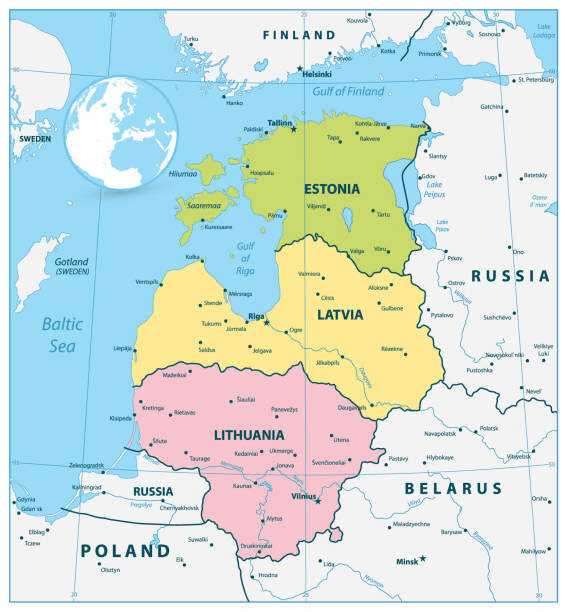
Baltic Grid Shift: Estonia, Latvia, Lithuania left Soviet-era BRELL loop, synced with EU network via Finland, Sweden, Poland

Geography: Northeastern European coast along Baltic Sea, neighbours Russia, Belarus, Poland, Kaliningrad exclave

Status: Independent since 1991, full electricity independence achieved 2025

Quick Facts for MCQs

Energy Transition

  • De-Russianisation: Gas 40 % to 14.8 % by 2023, similar decline in oil 30 % and coal 50 %
  • Synchronisation: EU funding and ENTSO-E technical support ensured stable frequency, market access
  • Independence: Cuts Moscow’s ability to exert pressure via emergency desynchronisation threats

Geopolitical Context

  • Security: NATO membership plus EU grid link reduces hybrid warfare vulnerability
  • Borders: Proximity to Kaliningrad and Belarus heightens strategic need for autonomous energy supply
  • Policy Driver: 2022 Ukraine war accelerated legal, technical milestones for decoupling

Regional Profile

  • Economy: Limited natural resources, high import dependence despite Estonia’s oil shale
  • Agriculture: Staple grains and livestock remain significant GDP contributors
  • Multilateralism: All three in EU, NATO, Eurozone, OECD, reinforcing Western institutional alignment

Key Data Points

FeatureData-Point
Disconnection year2025
Old grid nameBRELL (Belarus-Russia-Estonia-Latvia-Lithuania)
EU sync partnersFinland, Sweden, Poland
Pre-2022 EU gas from Russia40 %
2023 EU gas from Russia14.8 %
Baltic NATO entry2004
Eurozone entry2011–2015 staggered (Est 2011, Lat 2014, Lit 2015)
Key Baltic resourceEstonia’s oil shale
Main farm outputsGrains, potatoes, fodder crops, livestock
GS-2Misc

16.India Qatar Strategic Partnership (India-Qatar Ties)

PIB
Illustration for India Qatar Strategic Partnership (India-Qatar Ties)

What & Where

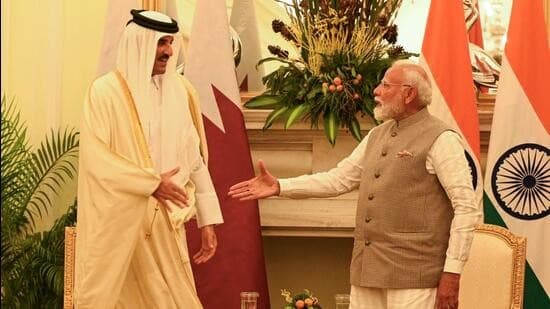
Partnership: India-Qatar Strategic Partnership Agreement inked Feb 2025 covering trade, energy, security, innovation.

Geography: Qatar – Gulf peninsula, West Asia; critical for India’s Indian-Ocean energy lanes.

Processes: Long-term LNG contract, UPI rollout, $10 bn QIA investment, aim to double trade to $30 bn by 2030.

Quick Facts for MCQs

Economic Angle

  • Trade-target: double volume by 2030 via Indian exports in IT, pharma, engineering.
  • QIA: USD 10 bn into infra, startups, green energy; BIT under negotiation.
  • DTAA: updated provisions to curb double taxation and spur FDI.

Energy Cooperation

  • Petronet-QatarEnergy: 7.5 MMTPA LNG supply locked for 2028-48, boosts energy security.
  • Supply-share: Qatar meets ~40 % of Indian LNG demand.
  • Future: joint work on green hydrogen, solar, carbon capture, AI-based efficiency.

Tech & Digital

  • UPI: first Gulf-wide deployment enabling rupee-riyal instant payments.
  • Innovation: collaboration in AI, semiconductors, IoT; Indian startups invited to Doha Web Summits 2024-25.
  • QIA-India office to channel funds into fintech, digital infra.

Social Concerns

  • Diaspora: 830,000 Indians; MoUs on education, youth, culture, sports.
  • Labour-welfare: calls to strengthen protections for blue-collar workers in construction.
  • Justice: 600 Indians jailed; transfer-of-sentenced-persons pact pending.

Security Dimension

  • Cooperation: intelligence sharing on terrorism, cybercrime, AML, transnational crime.
  • Detention: one naval veteran case remains sensitive diplomatic issue.
  • Region: Qatar’s Israel-Hamas mediation shapes India’s West Asian security calculus.

Key Data Points

FeatureData-Point
Agreement statusStrategic Partnership, Feb 2025
Current bilateral tradeUSD 14 bn (FY 23-24)
2030 trade targetUSD 30 bn
LNG supplied by Qatar10.91 MMT (FY 23-24)
LPG supplied by Qatar4.92 MMT (FY 23-24)
New LNG deal tenure20 yrs, 2028-48
QIA pledged investmentUSD 10 bn
Indian diaspora in Qatar~8.3 lakh
Digital payment moveNationwide UPI rollout
Revised treatyDouble Taxation Avoidance Agreement, 2025

Related UPSC Prelims PYQs

CAPF_GAI, ESE_GS 2024PYQ 1

Which of the following statements with regard to the outcomes of the talks between the Prime Minister of India and the President of UAE held in February, 2024 is/are correct?

CAPF_GAI, ESE_GS 2026PYQ 2

What is the name of the initiative launched by India and Denmark in November 2025 to enhance bilateral ties?

GS-3Security

17.Stress in Defence Forces (Forces Mental Health)

The Hindu

What & Where

Stress among Indian defence personnel: mix of operational (CI/CT duties) and non-operational (administrative, family) triggers.

Incidents like Feb 2025 CRPF fratricide-suicide in Manipur spotlight mental-health gaps.

Core geography: pan-India Armed Forces & Central Armed Police Forces (CAPFs) deployments.

Quick Facts for MCQs

Operational Stressors

  • Prolonged CI/CT deployment; extreme climate, rugged terrain, basic-amenity shortages
  • Casualty exposure; witnessing colleague injuries or deaths
  • Unpredictable hours; constant high-risk vigilance

Administrative Stressors

  • Leadership gaps; perceived unfair promotions, rank-equivalence downgrades
  • Leave denial, frequent transfers, short command tenures disrupting family life
  • Infrastructure deficits; limited phone access, poor rations, sparse recreation

Stress Impact

  • Rising suicides, fratricides; morale dip compromises combat readiness
  • Health fallout: hypertension, anxiety, depression prevalence climbing
  • Higher attrition; 55k+ CAPF exits in four years

Existing Measures

  • Officers trained at Defence Institute of Psychological Research; religious teachers posted per unit
  • Civilian counsellors, command-level helplines, psychiatry centres at major stations
  • Holistic add-ons: yoga, meditation, sports, buddy system

Proposed Reforms

  • Periodic stress audits; AI chatbots, tele-mental platforms (Tele-MANAS, Kiran) integration
  • Family-centric counselling, financial-planning workshops, lateral post-retirement absorption
  • Time-bound grievance redress modelled on RTI norms

Key Data Points

FeatureData-Point
CRPF fratricide-suicide date/place19 Feb 2025, Manipur
Severe stress in Indian Army (USI study)>50 % personnel; officers worst affected
CAPF suicides 2020-24730 cases
CAPF resignations/VRS 2020-2455,555 personnel
Army mental-health advisory issuedAug 2023
DIPR unit counsellor course length12 weeks

Related UPSC Prelims PYQs

CAPF_GAI 2022PYQ 1

Which one of the following is the oldest Central Paramilitary Force in India?

CAPF_GAI 2022PYQ 2

‘Operation Sankalp’ was initiated and implemented by the

GS-3SecurityQuick Bite

18.No Money for Terror Conference (Terror Financing)

PIB

What & Where

NMFT Conference: ministerial-level platform on counter-terror financing, launched 2018 by France

4th edition Feb 2025 hosted by Germany; earlier Paris-2018, Melbourne-2019, New Delhi-2022

India proposes permanent NMFT Secretariat in New Delhi to sustain global coordination

Quick Facts for MCQs

Institutional Details

  • Rotating host nations convene policymakers, regulators, investigators, multilateral bodies
  • Works alongside but outside UN and FATF, offering flexible political push
  • Focus areas refined each edition via outcome document and voluntary commitments

Indian Standpoint

  • MoS Home led delegation; reiterated zero-tolerance financing doctrine
  • Secretariat pitch backed by several partners to ensure continuity, training, data-hub
  • India flagged crypto, darknet, hawala as emerging priority risks needing joint tech tools

Global Parallels

  • FATF sets AML/CTF standards; NMFT galvanises member resolve to implement them
  • UN Counter-Terrorism Week monitors UNSC resolutions 1267, 1373 compliance
  • Combined ecosystem aims information-sharing, capacity-building, sanction synergy

Key Data Points

FeatureData-Point
Launch year2018
Launch countryFrance
4th edition venueGermany (2025)
Earlier venuesParis-2018, Australia-2019, India-2022
Core aimEnhance cooperation to curb terror financing
Indian proposalPermanent Secretariat, New Delhi
Thematic sub-verticals4: cooperation, financing methods, financial inclusion & RBA, organised crime link
Related foraFATF Plenary; UN Counter-Terrorism Week
GS-2Scheme

19.NAKSHA Urban Land Survey (Urban Land Records)

Times of India

What & Where

Definition: NAKSHA, drone-based geospatial survey to digitise urban land records.

Geography: Pilot covers 152 Urban Local Bodies in 26 States and 3 Union Territories.

Purpose: Create transparent, Web-GIS land cadastre for planning, governance and dispute reduction.

Quick Facts for MCQs

Tech & Schemes

  • Drone-survey: High-precision aerial imagery delineates every urban parcel.
  • Web-GIS: Integrated platform stores, edits, and publishes ownership data.
  • Accessibility: Citizens can fetch authenticated records online, enhancing ease of living.

Governance Goals

  • Modernisation: Converts legacy municipal registers into accurate digital cadastre.
  • Dispute-mitigation: Unique parcel IDs, verified ownership curb litigation.
  • Planning: Reliable basemaps aid smart-city infrastructure and resource management.

Financials

  • Cost: Pilot outlay ₹194 crore, fully Centre-funded.
  • Allocation: Funds routed through Department of Land Resources under MoRD.
  • Scalability: Success metrics to steer future all-India expansion budgeting.

Key Data Points

FeatureData-Point
Nodal ministryMinistry of Rural Development
Implementing bodiesDept. of Land Resources + Survey of India + NICSI
Pilot ULBs152
Coverage26 States & 3 UTs
Funding pattern100 % Government of India
Estimated cost₹194 crore

Ready to practice?

Test your knowledge with our UPSC test series.

Start Free Trial