UPSC Current Affairs

17 topicsGS-1: 6GS-2: 6GS-3: 5
0/17 done
GS-2Polity

1.India's Obscenity Law Framework (Obscenity Legislation)

Indian Express

What & Where

Obscenity laws: regulate content “appealing to prurient interest” across print, broadcast, electronic media in India.

Principal statutes: §294 Bharatiya Nyaya Sanhita 2023, §67 Information Technology Act 2000, Indecent Representation of Women (Prohibition) Act 1986.

Geography: Applicable country-wide; enforcement now centres on digital platforms like YouTube.

Quick Facts for MCQs

Legal & Policy

  • Bharatiya Nyaya Sanhita retains IPC obscenity offence, explicitly covering electronic displays.
  • IT Act §67 targets online publication/transmission; offences cognisable, non-bailable.
  • 1986 Act supplements by safeguarding women’s representation.

Judicial Evolution

  • 1964: Hicklin Test—effect on susceptible minds decides obscenity.
  • 2014: Community Standards—nudity alone not obscene sans sexual depravity.
  • 2024: SC says vulgar speech alone insufficient; must evoke lustful thoughts.

Enforcement Trend

  • Rise in creator probes; police invoke BNS §294 + IT §67 for digital content.
  • Complaints often filed by viewers citing “public morality” breaches.

Key Data Points

FeatureData-Point
BNS §294 first-time penalty≤2 years jail + ₹5,000 fine
IT Act §67 first-time penalty≤3 years jail + ₹5 lakh fine
BNS §294 definitionMaterial that depraves/corrupts or appeals to prurient interest
1986 Act focusBars indecent portrayal of women in any media
1964 Ranjit Udeshi testHicklin Test adopted
2014 Aveek Sarkar testCommunity Standards Test adopted
2024 SC on ‘College Romance’Profanity ≠ obscenity unless it arouses sexual lust
Current investigationYouTube show “India’s Got Latent”
Investigated creatorsRanveer Allahbadia, Samay Raina
Probe agencyMumbai Police Cyber Cell

Related UPSC Prelims PYQs

ESE_GS 2024PYQ 1

Which one of the following Acts mandates schools and libraries in India to use some form of technological protection to block computer access to obscene material, pornography, and anything else considered harmful to minors?
GS-2Polity

2.Lifetime Ban for Convicted Politicians (Electoral Disqualification)

The Hindu

What & Where

Petition seeks lifetime election bar on convicted persons; Supreme Court examining under Representation of People Act 1951

Key disqualification triggers located in RPA Sections 8(1), 8(3), 62(5) with waiver power in Section 11

Applies across India for Lok Sabha, Rajya Sabha and State Legislature polls

Quick Facts for MCQs

Legal & Policy

  • Section8(1) automatic ban irrespective of sentence length for heinous offences
  • EC discretion under Section11 raises neutrality concerns during post-conviction relief
  • Lifetime ban proponents cite moral turpitude doctrine and public trust mandate

Crime Statistics

  • Rising share of lawmakers with criminal records signals deepening political capture by crime networks
  • Serious offences include murder, attempt to murder, rape, kidnapping, corruption
  • Data show electorate tolerance partly driven by money-muscle advantages of tainted candidates

Reform Path

  • Law Commission proposal disqualify once court frames charges for offences punishable ≥5 years
  • Supreme Court urges dedicated special courts to finish trials within one year wherever possible
  • Suggested measures include curbing EC waiver power, voter awareness drives, cross-party consensus on amendments

Key Data Points

FeatureData-Point
Sec 8(3) thresholdConviction with ≥2 years jail
Sec 8(3) bar periodSentence duration + 6 years after release
Sec 8(1) crimesRape, corruption, UAPA, narcotics etc
Sec 62(5) rulePrisoners no vote; undertrials may contest
Sec 11 power-holderElection Commission may reduce or remove disqualification
ADR 2024 MPs with cases46 percent
ADR serious cases share31 percent of MPs
Win rate tainted vs clean15.4 percent vs 4.4 percent
Law Commission years1999 & 2014 reports
SC fast-track order2023 directive for MP/MLA trials

Related UPSC Prelims PYQs

GS1 2020PYQ 1

निम्नलिखित कथनों पर विचार कीजिए :

GS1 1999PYQ 2

Consider the following statements about the recent amendments to the Election Law by the Representation of the People (Amendment) Act, 1996:

GS-2Polity

3.Limits to Accessing Justice (Access to Justice)

LiveLaw

What & Where

Forum-shopping: litigant files identical pleas in multiple courts to obtain favourable order.

Right-to-Access-Justice: SC treats it as Article 21 facet yet “not absolute”; abuse invites cost/penalty.

Geography: Case travelled Industrial Tribunal → HC → Supreme Court of India, New Delhi.

Quick Facts for MCQs

Legal & Policy

  • Constitution: Art 39A mandates state to ensure free legal aid for economic/other handicaps.
  • NALSA: Sections 12–13 list eligible groups—women, SC/ST, children, disabled, low-income.
  • PIL doctrine: Relaxed locus standi enables public-spirited entities to enforce collective rights.

Judicial Precedents

  • Anita Khushwa: SC explicitly anchored access-justice under Arts 14 & 21.
  • Buddhi Kota Subbarao: Upheld finality; higher-court verdicts can’t be relitigated sans new evidence.
  • Present case: SC reiterates courts may impose costs to deter time-wasting litigation.

Access Mechanisms

  • Lok Adalat: Statutory, conciliatory; awards hold civil-court decree status.
  • Tele-Law: CSC-based video advice reaching rural, marginalised litigants.
  • E-Courts: Digital filing, VC hearings cut distance barrier, aiding speedy adjudication.

Key Data Points

FeatureData-Point
Current SC action₹ fine + dismissal for frivolous service-dismissal petitions
Key constitutional hooksArts 14, 21, 32, 226, 39A
Landmark access-justice caseAnita Khushwa v. Pushpa Sadan (2016)
Four access pillars (2016 ruling)Effective forum, reasonable distance, speedy disposal, affordability
Earlier misuse precedentBuddhi Kota Subbarao (1996) rejecting endless challenges
Free legal-aid statuteLegal Services Authorities Act 1987 (NALSA)
ADR avenues under ActLok Adalat, E-Lok Adalat, Tele-Law
First environmental PILMC Mehta v. Union of India (1987)

Related UPSC Prelims PYQs

GS1 2024PYQ 1

भारत के उच्चतम न्यायालय ने निजता के अधिकार को भारत के संविधान के निम्नलिखित में से किस अनुच्छेद के अंतर्गत रखा है ?

GS1 2020PYQ 2

भारत में, विधिक सेवा प्रदान करने वाले प्राधिकरण (Legal Services Authorities), निम्नलिखित में से किस प्रकार के नागरिकों को निःशुल्क विधिक सेवाएँ प्रदान करते हैं ?

GS-2Polity

4.Shankari Prasad and First Amendment (First Amendment)

Indian Express

What & Where

First Constitutional Amendment 1951, India; created Ninth Schedule and Articles 31A-31B to insulate land-reform statutes.

Shankari Prasad case 1951; Supreme Court upheld Amendment, saying constitutional changes are outside Article 13(2) embargo.

Context: Nationwide Zamindari abolition and equitable land redistribution campaigns post-Independence.

Quick Facts for MCQs

Legal & Policy

  • Amendment: Empowered legislatures to pass land-reform laws immune to Fundamental Rights scrutiny via Ninth Schedule.
  • Protection: Articles 31A/31B validated past and future estate-acquisition laws despite Fundamental Rights conflict.
  • Speech & Reservation: Added “public order” curb to Art 19(1)(a); enabled Art 15(4) for caste-based uplift laws.

Judicial Landmarks

  • Shankari Prasad 1951: Amendments ≠ “law”, hence can modify Fundamental Rights.
  • Golaknath 1967: Reversed view; Parliament barred from curtailing Fundamental Rights.
  • Kesavananda 1973: Basic Structure doctrine; property right excluded, land reforms survived.

Socio-Economic Impact

  • Zamindari abolition: Tackled feudal land concentration, guided by DPSP 39(b)(c).
  • Implementation: Benami loopholes blunted success; notable gains in West Bengal, Kerala.
  • Redistribution: Smaller holdings aimed to lift peasant welfare and farm productivity.

Key Data Points

FeatureData-Point
Amendment number1st Constitutional Amendment
Enactment year1951
Schedule addedNinth Schedule
Initial laws protected13
New Articles31A, 31B
Fundamental Right curtailedProperty (Art 19(1)(f), 31)
Shankari Prasad judgement year1951
SC Bench strength5 judges
Article 13(2) statusInapplicable to amendments (1951 view)
Right to Property after 44th AALegal right under Art 300A

Related UPSC Prelims PYQs

GS1 2003PYQ 1

The Ninth Schedule to the Indian Constitution was added by

GS1 2023PYQ 2

In India, which one of the following Constitutional Amendments was widely believed to be enacted to overcome the judicial interpretations of the Fundamental Rights?

GS-3Economy

5.Tobin Tax on Currency Trades (Currency Transaction Tax)

The Hindu

What & Where

Definition; 0.1–0.5 % levy on foreign-exchange conversions to deter very short-term speculation

Process; collected each time one currency is exchanged for another, revenue to public coffers

Geography; conceived 1972 by James Tobin, now eyed by U.S. administration, not yet adopted in India

Quick Facts for MCQs

Economic Rationale

  • Volatility; acts as sand in wheels of hot-money flows stabilising exchange rates
  • Alignment; penalises speed not volume, sparing long-term investment decisions
  • Fiscal; taps huge forex turnover for non-distortionary revenue

Advantages

  • Stability; mitigates speculative attacks on fragile currencies
  • Revenue; micro-rate on USD 7 trn daily forex could yield billions
  • Equity; reins in hedge funds and high-frequency traders’ outsized influence

Drawbacks

  • Liquidity; higher costs may thin genuine hedging and trade finance activity
  • Migration; trades could shift to offshore tax-free havens undermining collection
  • Coordination; requires near-global adoption for effectiveness and avoidance control

India Angle

  • Status; no direct Tobin Tax on currency dealings
  • Proxy; Securities Transaction Tax and FPI levies partially mimic deterrent effect on capital churn
  • Debate; proposals resurface during crises but concerns over export competitiveness stall adoption

Key Data Points

FeatureData-Point
ProposerJames Tobin (Nobel, 1981)
Proposal year1972
Typical rate band0.1 % – 0.5 % of transaction value
Target marketSpot and derivative foreign-exchange trades
Core objectiveReduce volatility by discouraging rapid round-trip capital
Potential use of proceedsPublic welfare / development financing
India’s nearest instrumentSecurities Transaction Tax, 2004
GS-3Economy

6.'Tax Year' Direct Tax Reform (Direct Tax Reform)

New Indian Express

What & Where

Tax Year - 12-month period from 1 April, income assessed and taxed in same year

Supersedes Assessment Year, embedded in draft Income-Tax Bill 2025

Jurisdiction – entire Indian direct-tax domain from FY 2025-26 onward

Quick Facts for MCQs

Legal & Policy

  • Alignment – mirrors global same-year taxation standards, boosting treaty coherence
  • Litigation dip – clearer timelines cut assessment disputes and appeals
  • Transparent deductions – mandatory tabular presentation of rates, exemptions

Economic Angle

  • Revenue uptick – faster collection, curbs deferral-based tax evasion
  • Business ease – single-year books lessen cash-flow uncertainty
  • Individual benefit – no dual-year cross-referencing while filing returns

Administrative Efficiency

  • Real-time processing – enables quicker refunds, data analytics during the year
  • Compliance simplicity – eliminates FY/AY confusion in TDS, advance-tax schedules
  • Digital synergy – dovetails with e-filing platforms for automated assessments

Key Data Points

FeatureData-Point
StatuteIncome-Tax Bill, 2025
ReplacesAssessment Year regime
Coverage span1 Apr – 31 Mar (12 months)
First applicable FY2025-26 (Tax Year 2025)
Core changeReal-time income assessment
Key aimSimplify compliance, cut evasion
GS-1History

7.Veer Savarkar Marseille Escape Attempt (Freedom Struggle Event)

Financial Express
Illustration for Veer Savarkar Marseille Escape Attempt (Freedom Struggle Event)

What & Where

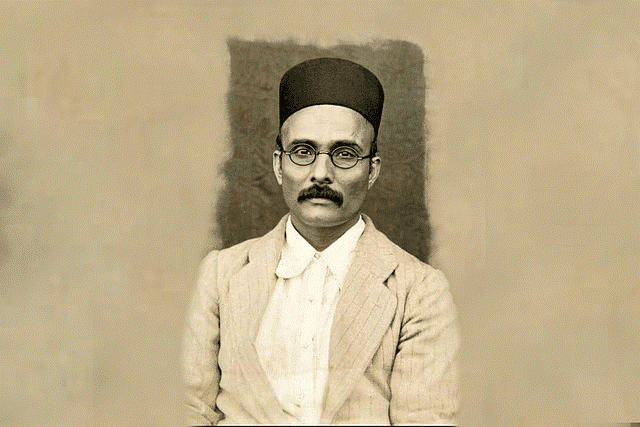
Marseille Escape: Savarkar leapt from British ship SS Morea at Marseille port, France, July 1910

Aim: Flee British custody while being deported from London to Bombay for murder-abetment trial

Sparked first France-UK dispute at Permanent Court of Arbitration, The Hague, over extradition legality

Quick Facts for MCQs

Arrest & Charges

  • Arrest London March 1910 under Fugitive Offenders Act for revolutionary activities
  • Charge abetment in Jackson murder plus conspiracy to wage war against Crown
  • Deportation ordered; boarded SS Morea 1 July 1910 toward Bombay High Court jurisdiction

International Legal Dispute

  • France claimed landing conferred right to local asylum; Britain insisted prior hand-back consent
  • PCA Case No. 24 France v UK upheld British custody, creating early extradition precedent
  • Incident highlighted gaps in 19th-century extradition treaties, spurring later bilateral clarifications

Punishment & Imprisonment

  • Bombay High Court sentenced 4 July 1911 to dual life imprisonments totalling 50 years
  • Detention Cellular Jail (Kala Pani): hard labour, solitary confinement, fetters
  • Conditional release 1924; subsequent internment Ratnagiri under stringent restrictions

Key Data Points

FeatureData-Point
Escape attempt monthJuly 1910
Ship nameSS Morea
Ship’s routeLondon → Bombay (via Marseille)
Escape methodExit through porthole, swim to quay
Recapturing authorityFrench Police, Marseille
Arbitration forumPermanent Court of Arbitration, The Hague
PCA award dateFebruary 1911 (verdict favoured Britain)
Primary charge in IndiaAbetment of Nashik Magistrate A M T Jackson’s murder
Sentence awardedTwo life terms = 50 years
Place of incarcerationCellular Jail, Andaman & Nicobar Islands
Imprisonment began4 July 1911
Release year1924
GS-1History

8.Dokra Metal Craft Tradition (Dokra Art)

Times of India
Illustration for Dokra Metal Craft Tradition (Dokra Art)

What & Where

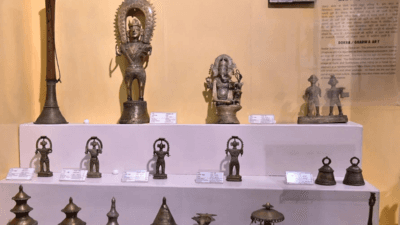
Craft Dokra non-ferrous metal art using lost-wax casting, joint-free handcrafted figures

Casting types Solid (single-wax) in South; Hollow (clay core + wax) in Central & East India

Geography Jharkhand, Chhattisgarh, Odisha, West Bengal, Telangana, MP, Rajasthan, TN; Adilabad Dokra GI-tag 2018

Quick Facts for MCQs

Historical Roots

  • IndusValley bronze heritage links craft lineage to protohistoric era
  • DhokraDamar tribes migrated from Odisha Bengal spreading technique nationwide
  • Continuity Four-millennia tribal metalcraft still survives in rural clusters

Casting Technology

  • Lost-wax process forms single-use clay or wax moulds ensuring unique artefacts
  • Non-ferrous alloy poured after wax burnout creating joint-free sculptures
  • Methods Solid casting in South; Hollow core casting prevalent Central East

Geographical Tag & Spread

  • Adilabad Dokra GI-tag 2018 grants intellectual property protection, branding
  • Major clusters Bastar, Bankura, Purulia, Jharkhand plateau, Salem etc
  • Government ODOP, Handicrafts schemes promote cluster training, export linkages

International Diplomacy

  • Cultural soft-power Dokra gift showcased Indian handicraft at Paris 2023 AI Summit
  • Handicraft gifts routine in high-level visits highlighting regional GI products
  • Rising global demand for eco-friendly brass décor boosts artisan livelihoods

Key Data Points

FeatureData-Point
Core alloyBrass, copper-based non-ferrous mix
Age of practice≈4,000 years
Earliest exampleMohenjo-daro Dancing Girl figurine
Practitioner tribeDhokra Damar
UniquenessEach mould destroyed; no replicas
Two casting modesSolid (South), Hollow (Central-East)
Key motifsElephants, horses, deities, lamps, jewellery
Recent diplomatic giftPM Modi to President Macron, Paris AI Summit
GI tag holderAdilabad Dokra, Telangana, 2018
GS-1HistoryQuick Bite

9.Sant Guru Ravidas Birth Anniversary (Bhakti Saint)

PIB

What & Where

Sant Guru Ravidas — Bhakti-era saint, poet, reformer from Seer Goverdhanpur, Varanasi

648th birth anniversary observed on Magha Purnima, 12 Feb 2025, nationwide events led by PM

Strong devotional base in Punjab’s Doaba; followers called Ravidassia Dalits

Quick Facts for MCQs

Personal Biography

  • Birthplace now hosts Shri Guru Ravidass Janam Asthan Mandir attracting global pilgrims
  • Composed padas, shabads emphasising nirguna bhakti and social justice
  • Travelled across North India engaging with contemporary saints like Kabir

Bhakti Movement

  • Movement rejected orthodox Brahmanical rituals, promoted one-to-one divine link
  • Northern stream included Kabir, Guru Nanak, Ravidas, Meera Bai
  • Southern stream had Alvars, Nayanars, Ramanuja, Basava

Social Reform

  • Advocated Egalitarian society, dignity of labour, universal human rights
  • Critiqued caste hierarchy; his verses urge recognition of inner purity over birth
  • Teachings inspired later Dalit assertion and Ravidassia identity

Regional Significance

  • Doaba houses large diaspora-funded Ravidassia deras and annual Holla Mohalla-like processions
  • Punjab, Haryana, Himachal Pradesh declare local holidays for Jayanti
  • Ravidassia diaspora prominent in UK, Canada, facilitating transnational pilgrimages

Key Data Points

FeatureData-Point
Birth year & place1377 CE, Seer Goverdhanpur (UP)
Community backgroundMarginalised leather-working caste
Alternate namesRaidas, Rohidas, Ruhidas
Scripture presenceVerses included in Guru Granth Sahib
Spiritual discipleMeera Bai considered him Guru
2025 celebration648th Jayanti on 12 Feb (Magha Purnima)
Core follower beltDoaba region, Punjab
Bhakti span7th–17th centuries CE
Bhakti focusPersonal devotion, anti-ritualism, caste equality

Related UPSC Prelims PYQs

CAPF_GAI, NDA_GAT 2021PYQ 1

निम्नलिखित में से किसे मीरा बाई का गुरु माना जाता था ?

CAPF_GAI, NDA_GAT 2023PYQ 2

The celebrated group of poets in medieval Mathura and Vrindavana called the Ashta-Chhapa were the successors of which one of the following medieval Bhakti Saints?

GS-1HistoryQuick Bite

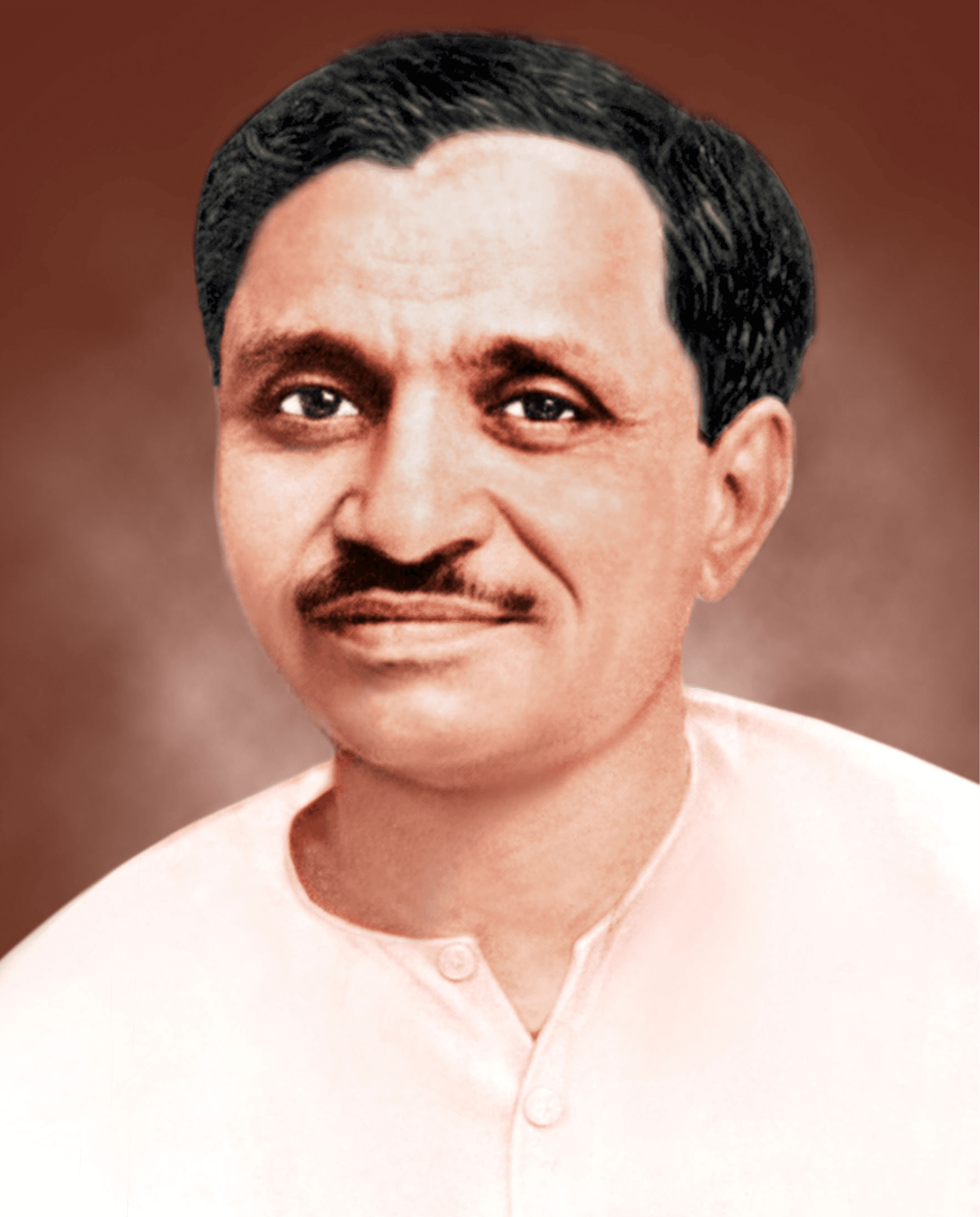
10.Pt Deendayal Upadhyaya Death Anniversary (Political Ideologue)

PIB
Illustration for Pt Deendayal Upadhyaya Death Anniversary (Political Ideologue)

What & Where

Identity: Pt Deendayal Upadhyaya—politician, philosopher, RSS–Bharatiya Jana Sangh ideologue

Timeline: Born 25 Sep 1916 Nagla Chandrabhan (UP); died 11 Feb 1968 Mughalsarai

Core-idea: Propounded Integral Humanism & Antyodaya—priority to uplift the last, most disadvantaged person

Quick Facts for MCQs

Ideological Contributions

  • Integral Humanism blends Indian culture, decentralised economy, social justice, self-reliance
  • Antyodaya slogan steers welfare discourse toward poorest sections

Policy & Schemes

  • Deendayal Antyodaya Yojana-NRLM (2015) anchors rural livelihoods via self-help groups
  • Antyodaya Diwas occasions ministries to launch inclusion-oriented initiatives

Memorialisation

  • Antyodaya Diwas observed nationwide each 25 September since 2014
  • 2018 renaming of Mughalsarai station immortalises his legacy
  • PM leads tributes annually on 11 February (Punya Tithi)

Key Data Points

FeatureData-Point
Birth date25 September 1916
Death date11 February 1968
AffiliationRSS; Bharatiya Jana Sangh (forerunner of BJP)
Key philosophyIntegral Humanism
Social focus termAntyodaya
Antyodaya Diwas start25 Sep 2014
NRLM renamed year2015 (Deendayal Antyodaya Yojana-NRLM)
Railway junction renamed2018 (Mughalsarai → Pt Deendayal Upadhyaya Jn)
GS-1Mapping

11.Lake Sapanca Environmental Threats (Places in News)

Down to Earth
Illustration for Lake Sapanca Environmental Threats (Places in News)

What & Where

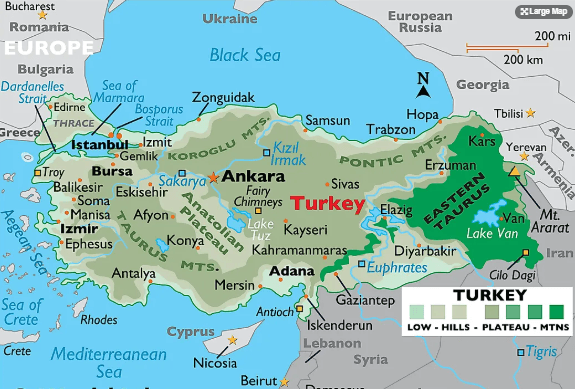
Freshwater tectonic Lake Sapanca lies NW Türkiye, in depression parallel to Iznik Lake, between Gulf of İzmit & Adapazarı Meadow

Catchment 251 km²; mountains border south, low hills north; fed by many short mountain streams

Acts as major domestic & industrial water source for Sakarya Province

Quick Facts for MCQs

Hydrological Setting

  • Depression: North Anatolian fault system creates elongated basin
  • Inflow pattern: Short, steep streams increase flash-runoff nutrient delivery
  • Water retention: Deforestation decreases infiltration, quickens pollutant transport

Environmental Impact

  • Eutrophication: Excess N,P trigger algal blooms, oxygen depletion, habitat loss
  • Seasonal stress: Summer low inflow concentrates contaminants, raising toxicity risk
  • Biodiversity decline: Aquatic flora-fauna stressed by turbidity and oxygen sag

Anthropogenic Drivers

  • Urbanisation: Expanding Sakarya settlements encroach shoreline, add sewage load
  • Industry: Nearby plants abstract water, discharge effluents, alter lake chemistry
  • Agriculture: Fertiliser runoff primary nutrient source, compounded by soil erosion

Key Data Points

FeatureData-Point
Country/ProvinceTürkiye / Sakarya
Lake typeFreshwater, tectonic depression
Parallel waterbodyIznik Lake
Catchment area251 km²
Main inflowNumerous small mountain streams
Surrounding reliefMountains (S), low hills (N)
Key pollutantsNitrogen & Phosphorus
Peak pollution seasonSummer (low flow)
Dominant pressuresUrbanisation, industry, agriculture
Core ecological issueEutrophication
GS-3Environment

12.Vishwamitri River Mugger Census (Mugger Crocodile)

Down to Earth

What & Where

Mugger census: Gujarat govt surveyed Vishwamitri River, Vadodara, to enumerate marsh crocodile (Crocodylus palustris) population

Vishwamitri River: rises Pavagadh hills, crosses Vadodara city, joins Gulf of Khambhat; tributaries Dhadhar, Khanpur

Habitat belt: urban river hosts mugger crocodile, freshwater turtles, monitor lizards—rare ecological assemblage in city limits

Quick Facts for MCQs

Legal & Policy

  • Protection: Schedule I confers highest national legal safeguard prohibiting hunting and trade
  • International: Appendix I export ban complements domestic law strengthening enforcement
  • Conservation status: Vulnerable tag signals high risk yet recoverable with targeted management

Ecology & Biology

  • Apex-predator: maintains freshwater trophic balance controlling fish and scavenger populations
  • Reproduction: dry-season nesting synchronises hatchling emergence with monsoon prey abundance
  • Urban-adapted: Vishwamitri population tolerates dense human presence illustrating species plasticity

Threats & Conflict

  • Habitat-destruction: river pollution, encroachment, sand mining shrink basking and nesting sites
  • Human-crocodile encounters: rising incidents in Vadodara demand mitigation fencing, awareness drives
  • Poaching-pressure: skin and body parts valued in illegal wildlife trade despite legal protection

Historical Context

  • Archaeology: Ankotakka settlement (now Akota) on riverbank dates to 1000 BCE, flourishing under Guptas, Vallabhi rule
  • Cultural-link: long coexistence shaped local folklore and temple iconography featuring crocodile motifs

Conservation Actions

  • Census-baseline: current enumeration guides future habitat restoration and conflict-reduction plans
  • Community-involvement: citizen reporting apps, school outreach enhance surveillance and stewardship
  • Possible-replication: methodology can scale to other urban rivers harbouring freshwater megafauna

Key Data Points

FeatureData-Point
Scientific nameCrocodylus palustris
Common nameMugger / Marsh crocodile
IUCN statusVulnerable
CITES listingAppendix I
Wildlife Act slotSchedule I
Geographic rangeIndia, Sri Lanka, Pakistan, Nepal, eastern Iran
Indian strongholdsGanga basin, Chambal, Gujarat
Preferred habitatFreshwater rivers, lakes, marshes
Nest typeHole nesting
Eggs per clutch25–30
Incubation55–75 days
DietFish, reptiles, birds, mammals
Major threatsHabitat loss, poaching, conflict
River originPavagadh hills, Gujarat
River mouthGulf of Khambhat
GS-3Species

13.Ongole Cattle Breed Traits (Ongole Cattle)

Times of India
Illustration for Ongole Cattle Breed Traits (Ongole Cattle)

What & Where

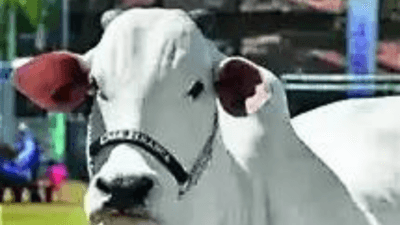
Definition : Ongole is a Bos indicus (zebu) cattle breed valued for strength, disease resistance and heat tolerance.

Native belt : Prakasam district, Andhra Pradesh; villages around Guntur, Vinukonda, Narasaraopet, Ongole, Kandukur, Gundlakamma & Alluru rivers.

Global spread : Exported for breeding to Brazil, USA, Australia; Brazilian line produced record-priced cow Viatina-19.

Quick Facts for MCQs

Physical Traits

  • Build : Large muscular frame, long limbs, short neck, prominent male hump.
  • Skin : Loose dewlap reaching navel aids thermoregulation.
  • Temperament : Docile, easing farm handling.

Economic Angle

  • Record sale : Viatina-19 now world’s costliest cow, surpassing Wagyu & Brahman valuations.
  • Crossbreeding demand : Brazilian, US, Australian ranches pay premium for drought-fit genetics.
  • Livelihood impact : Draft power lowers machinery costs in Smallholder Indian farms.

Historical & Global Reach

  • Antiquity : Zebu remains traced to Indus Valley (c. 3000 BC); Vedic texts praise cattle wealth.
  • Export timeline : Ongole bulls shipped to Brazil in late-19th century, forming base of Nelore herd.
  • Recognition : FAO lists Ongole among world’s distinct zebu breeds.

Key Data Points

FeatureData-Point
Scientific groupBos indicus (zebu)
Alternate nameNellore breed
Record-price animalViatina-19
Sale amountUSD 4.82 million (≈ ₹41 crore)
Sale year2025
Coat colourWhite/grey, dark patches on head / hump / knees
Horn shapeShort, stumpy, thick base
Native districtPrakasam, Andhra Pradesh
Key traitsHigh heat & disease tolerance
Primary utilityHeavy plough, transport; cows moderate milk
GS-3S&T

14.Einstein Ring Gravitational Phenomenon (Gravitational Lensing)

Indian Express

What & Where

Einstein ring – circular image from gravitational lensing of background galaxy by massive foreground object, predicted by GR 1915

New ring spotted by ESA’s Euclid telescope around galaxy NGC 6505, ~590 million ly from Earth

Visibility only via high-powered space telescopes; alignment observer-lens-source must be near-perfect

Quick Facts for MCQs

Physics Basis

  • Light-bending proportional to foreground mass per GR curvature
  • Perfect symmetry produces full ring; slight offset yields arcs or multiple images

Scientific Importance

  • Dark-matter tracing via mass distribution reconstruction without reliance on emitted light
  • Cosmic-expansion rate derivation using time delays in multiple lensed images

Observation & Instruments

  • Euclid telescope 1.2 m mirror, wide-field visible–NIR survey launched 2023
  • Space platforms avoid atmospheric distortion, enhancing detection of faint, high-redshift lenses

Key Data Points

FeatureData-Point
Fundamental causeGravitational lensing by massive foreground galaxy
Predicted byEinstein’s General Theory of Relativity, 1915
Rarity< 1 % of all galaxies exhibit complete rings
Alignment conditionObserver, lens, background source almost colinear
Telescope detectionESA Euclid; also possible with NASA Hubble
Newly found ring hostGalaxy NGC 6505 (spiral), 590 million ly away
Key utilitiesDark-matter mapping, distant-galaxy magnification, cosmic-expansion measurement

Related UPSC Prelims PYQs

GS1 2018PYQ 1

Consider the following phenomena:

GS1 2019PYQ 2

Recently, scientists observed the merger of giant 'blackholes' billions of light-years away from the Earth. What is the significance of this observation?

GS-2Editorial

15.India-France Strategic Partnership (India-France Ties)

Times of India

What & Where

India-France strategic partnership; origin 1998, elevated to “Strategic” & now “Comprehensive Strategic”.

February 2025 summit in France; focus: nuclear, defence, AI, Indo-Pacific.

Key geography: Jaitapur (Maharashtra), Indo-Pacific third-country projects.

Quick Facts for MCQs

Defence & Security

  • Scorpene submarines indigenisation plus DRDO AIP to extend underwater endurance.
  • France eyeing Pinaka MBRL; talks on co-making helicopter & fighter jet engines.
  • India observer in Eurodrone MALE programme, widening interoperability.

Nuclear & Clean Energy

  • SMR/AMR collaboration leverages French tech, Indian manufacturing cost-efficiency.
  • Jaitapur 9.6 GW project critical for India’s clean-energy targets.
  • Summit agreed task forces to fast-track regulatory clearances.

Tech & Innovation

  • Bilateral AI Roadmap stresses safe, trustworthy algorithms aligning democratic values.
  • India to host next AI Action Summit; 2026 themed Innovation Year.
  • UPI rollout in France deepens fintech ties.

Indo-Pacific Outreach

  • Triangular development projects target climate & SDG goals in third countries.
  • Cooperation counters coercion, enhances regional stability without naming China.
  • Regular high-level dialogues institutionalised under Indo-Pacific framework.

Key Data Points

FeatureData-Point
Summit month & venueFeb 2025, France
Nuclear pactLetter of Intent on SMRs & AMRs
Jaitapur statusProgress review for 6-reactor project
Defence highlightScorpene AIP, joint heli/jet engines
Year tagged for innovation2026 India-France Year of Innovation
Indian startups at Station F10

Related UPSC Prelims PYQs

CAPF_GAI, ESE_GS 2026PYQ 1

What is the name of the initiative launched by India and Denmark in November 2025 to enhance bilateral ties?

CAPF_GAI, ESE_GS 2025PYQ 2

India and Poland have agreed to implement the 'India-Poland Strategic Partnership' in terms of a Five-Year Action Plan. Identify the current Five-Year Action Plan.

GS-2Economy

16.India-EFTA Desk for Investments (India-EFTA TEPA)

The Hindu

What & Where

India-EFTA Desk: Invest India single-window to channel investments from EFTA nations into India under TEPA.

Geographies linked: India plus EFTA’s four members—Iceland, Liechtenstein, Norway, Switzerland.

Embedded in India-EFTA Trade & Economic Partnership Agreement (signed March 2024).

Quick Facts for MCQs

Legal & Policy

  • Provision: Desk facilitates IPR commitments embedded in TEPA chapters.
  • Mandate: Aligns incoming investments with Make in India and Atma Nirbhar Bharat policies.
  • Function: Acts as single-window for clearances, guidance and grievance redressal.

Economic Angle

  • Projection: USD 100 billion FDI expected to catalyse manufacturing and services expansion.
  • Employment: Over 1 million direct jobs envisaged over 15 years.
  • Trade gap: Balance currently favours EFTA, signalling scope for Indian export push.

International Trade

  • Context: India is EFTA’s 5th-largest partner, ahead only of mid-tier economies.
  • Growth: Bilateral trade jumped ~29 % from 2022-23 to 2023-24.
  • Comparison: TEPA complements India’s FTAs with UAE, Australia, ASEAN etc.

Key Data Points

FeatureData-Point
Implementing bodyInvest India
TEPA signatureMarch 2024
Target FDI via TEPAUSD 100 billion in 15 years
Direct jobs aimed>1 million in India
EFTA membersIceland, Liechtenstein, Norway, Switzerland
EFTA formationStockholm Convention, 1960
India’s rank among EFTA partners5th after EU, US, UK, China
India-EFTA trade 2023-24USD 24 billion
Previous year tradeUSD 18.65 billion
Largest EFTA trade partner for IndiaSwitzerland (followed by Norway)

Related UPSC Prelims PYQs

CDS_GK, ESE_GS 2024PYQ 1

भारत ने EFTA, जो कि चार देशों का एक क्षेत्रीय समूह है, के साथ व्यापार और आर्थिक भागीदारी करार (TEPA) पर हस्ताक्षर किया है। निम्नलिखित में से कौन-सा देश इस समूह का सदस्य नहीं है?

CDS_GK, ESE_GS 2026PYQ 2

What is the name of the initiative launched by India and Denmark in November 2025 to enhance bilateral ties?

GS-1Editorial

17.Rising Online Child Sexual Abuse (Online Child Safety)

Hindustan Times

What & Where

Online child sexual abuse: exploitation of minors through internet chats, images, videos, extortion.

Core subtypes: solicitation, non-consensual image sharing, sexual exploitation, sextortion.

Global scope: Lancet review of 123 studies shows 1 in 12 children abused online in last decade.

Quick Facts for MCQs

Drivers of Abuse

  • Internet penetration: 1⁄3 users children, unsupervised access boosts vulnerability
  • Covid-19 surge: prolonged screen-time enabled offender outreach and CSAM creation
  • AI tools: easier fabrication, rapid distribution, hampering tracing by agencies

Health Impact

  • Victims face severe mental distress, self-harm tendencies, PTSD
  • Physical sequelae include sleep disorders, somatic complaints, substance misuse
  • Long-term fallout: lower life expectancy and diminished employment prospects

Indian Legal & Policy

  • Statutes: POCSO 2012, IT Act 2000, JJ Act 2015 cover online exploitation offences
  • Portals: National Cyber Crime Reporting Portal allows citizen complaints, auto-routes FIRs
  • Coordination: Indian Cyber Crime Coordination Centre (I4C) assists state cyber cells, traces CSAM

Proposed Actions

  • Legislation: stricter penalties, mandatory reporting by platforms, age-verification protocols
  • International cooperation: data-sharing with INTERPOL, FBI to dismantle cross-border rings
  • Awareness: digital-literacy drives in schools, safe-search defaults, parental-control promotion

Key Data Points

FeatureData-Point
Global prevalence8.3 % (≈1 in 12)
Studies analysed123
Solicitation rate12.5 % of children
Non-consensual image sharing12.6 %
Online sexual exploitation4.7 %
Sextortion incidence3.5 %
Children’s share of internet usersOne-third
Rise in sextortion post-Mar 2020Threefold
Digitally literate Indian households38 %

Related UPSC Prelims PYQs

ESE_GS 2024PYQ 1

Which one of the following Acts mandates schools and libraries in India to use some form of technological protection to block computer access to obscene material, pornography, and anything else considered harmful to minors?
Ready to practice?

Test your knowledge with our UPSC test series.

Start Free Trial