UPSC Current Affairs

18 topicsGS-1: 4GS-2: 7GS-3: 7
0/18 done
GS-2Polity

1.Bills on Parliamentary Sittings, POCSO Amendment (Parliamentary Sittings Bills)

The Hindu

What & Where

Private Member’s Bills in Rajya Sabha seek fixed parliamentary sittings & victim-centric tweaks to POCSO Act, 2012.

Applies nationwide; hinges on Parliament procedures under Articles 85 (Union) & 174 (States).

POCSO safeguards every child (<18 yrs) in India against sexual offences.

Quick Facts for MCQs

Parliamentary Functioning

  • Productivity: lost hours from disruptions to be offset by extended sittings.
  • Calendar: echoes 1955 General Purposes Committee & 2002 Constitution Review Panel recommendations.
  • Accountability: more sitting days force fuller ministerial answers & debates.

POCSO Amendments

  • Provision: 24-hour police/CWC presentation, structured compensation, stakeholder training mandates.
  • Scope: makes Act explicitly victim-centric, targeting speedy, sensitive justice.
  • Coverage: addresses consensual 16-18 yrs cases causing prolonged detention.

Implementation Gaps

  • Capacity: limited Special Courts & trained prosecutors slow trials.
  • Reporting: fear, stigma curb timely FIRs despite mandatory disclosure clause.
  • Compensation: absence of uniform procedure delays relief to survivors.

Key Data Points

FeatureData-Point
Proposed annual sittingsLok Sabha 120 days; Rajya Sabha 100 days
Average sittings 1st Lok Sabha135 per year (1952-57)
Average sittings 17th Lok Sabha55 per year (2019-24)
Max gap between sessions≤ 6 months (Art. 85, 174)
NCRB rise in POCSO cases+94 % since 2017
Pending/registered POCSO cases> 2 lakh (May 2024)
Support-person absence96 % cases lack assigned support
Mandatory report time in BillChild before CWC & court within 24 hours
Special Public Prosecutor shortageIdentified as key implementation hurdle
POCSO court availabilityNot all districts have designated courts
GS-2Polity

2.National Commission for Safai Karamcharis Extension (Safai Karamcharis Commission)

PIB

What & Where

National Commission for Safai Karamcharis (NCSK); central body for welfare of Safai Karamcharis & manual scavengers.

Operates across India; monitors Prohibition of Employment as Manual Scavengers & their Rehabilitation Act, 2013.

Manual scavenging: manual removal of human excreta, cleaning septic tanks, sewers, gutters, dry latrines.

Quick Facts for MCQs

Legal & Policy

  • NCSK recommends programmes, probes grievances, tours to assess socio-economic conditions.
  • Each local authority must survey and convert insanitary latrines under 2013 Act.
  • 2020 Amendment Bill seeks stronger prohibition and improved rehabilitation.

Status Data

  • NCSK 2020 reports 631 sewer/septic deaths in past decade.
  • Year 2019 recorded highest five-year fatalities at 110 workers.
  • Uttar Pradesh tops with 29,923 identified manual scavengers (2018 survey).

Tech & Schemes

  • Safaimitra Suraksha Challenge 2020 targets 100 % mechanised sewer cleaning by April 2021.
  • Swachhta Abhiyan App geo-tags insanitary latrines, manual scavengers for rehabilitation.
  • National Safai Karamcharis Finance & Development Corporation offers concessional loans, skill training.

Safeguards & Compensation

  • SC/ST Prevention of Atrocities Act 1989 extends protection to sanitation workers, 90 % from SC communities.
  • Supreme Court 2014 mandates enumeration of sewage deaths and ₹10 lakh compensation.
  • 2013 Act bans hazardous manual cleaning without safety gear; violators face penalties.

Key Data Points

FeatureData-Point
Formation year1993 (NCSK Act 1993)
Statutory status ended29 Feb 2004
Present natureNon-statutory; tenure extended 3 yrs beyond 31 Mar 2022
Assigned legislationMonitoring of 2013 Manual Scavenging Act
Decade sewer/septic deaths631 (2010-20)
Highest yearly deaths110 in 2019 (61 % ↑ over 2018)
Largest identified workforceUttar Pradesh – 29,923 manual scavengers (2018)
SC compensation order2014; ₹10 lakh per sewage-death family

Related UPSC Prelims PYQs

GS1 2016PYQ 1

'Rashtriya Garima Abhiyaan' is a national campaign to

GS-3Economy

3.SAFTA Loophole in Edible Oil Imports (Edible Oil Imports)

BL
Illustration for SAFTA Loophole in Edible Oil Imports (Edible Oil Imports)

What & Where

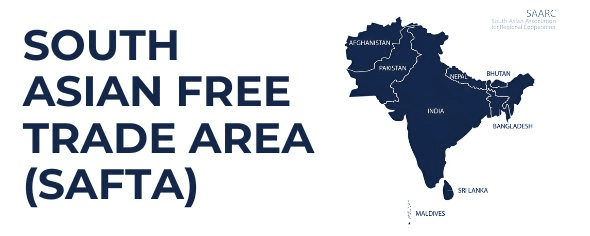
Refined edible oils: soybean & palm shipped from Nepal to India duty-free under SAFTA

Solvent extraction: industry method using two immiscible liquids to isolate oil from seeds or meals

Core geography: India world’s 4th-largest vegetable-oil economy; SAFTA bloc spans 8 South Asian nations

Quick Facts for MCQs

Economic Angle

  • Surge refined-oil imports via Nepal after 2024 Indian duty hike erodes margins of domestic refiners
  • Prices undercut MSP-linked cost threatening farmer returns on mustard, soybean etc.

Legal & Policy

  • SEA urges amendment of SAFTA to curb agro-commodity dumping from non-producer states
  • Proposed Minimum Import Price pegged to MSP to trigger automatic duty if CIF value falls below

Government Schemes

  • NMOOP umbrella mission boosts seed tech, palm cultivation, extraction units to cut import bill
  • Duty hikes 2024 part of calibrated tariff policy balancing consumer inflation and farmer income

Stakeholders & Bodies

  • SEA represents processors, exporters, refiners; key interlocutor with Commerce & Food ministries
  • Nepalese refineries import global crude oils, re-export as refined leveraging SAFTA zero duty

Key Data Points

FeatureData-Point
SEA inception1963
India oilseed output 2023-2439.66 million t
India share in global oilseed5–6 %
Import dependence 2022-2357 % of consumption
Edible-oil imports 2022-2316.5 million t
Oilseed & meal export value 2023-24₹29,587 crore
NMOOP target 2030-3169.7 million t oilseeds; 72 % demand met
SAFTA enforcement year2006
SAFTA tariff band0–5 % after scheduled cuts
SAFTA LDCsAfghanistan, Bangladesh, Nepal
Safeguard clauseTemporary suspension to protect domestic industry

Related UPSC Prelims PYQs

GS1 2006PYQ 1

Consider the following statements:

GS1 2019PYQ 2

Among the following agricultural commodities imported by India, which one has been the highest in terms of value in the last five years?

GS-3Economy

4.WAVES Summit Boosts Creative Economy (Creative Economy)

Economic Times
Illustration for WAVES Summit Boosts Creative Economy (Creative Economy)

What & Where

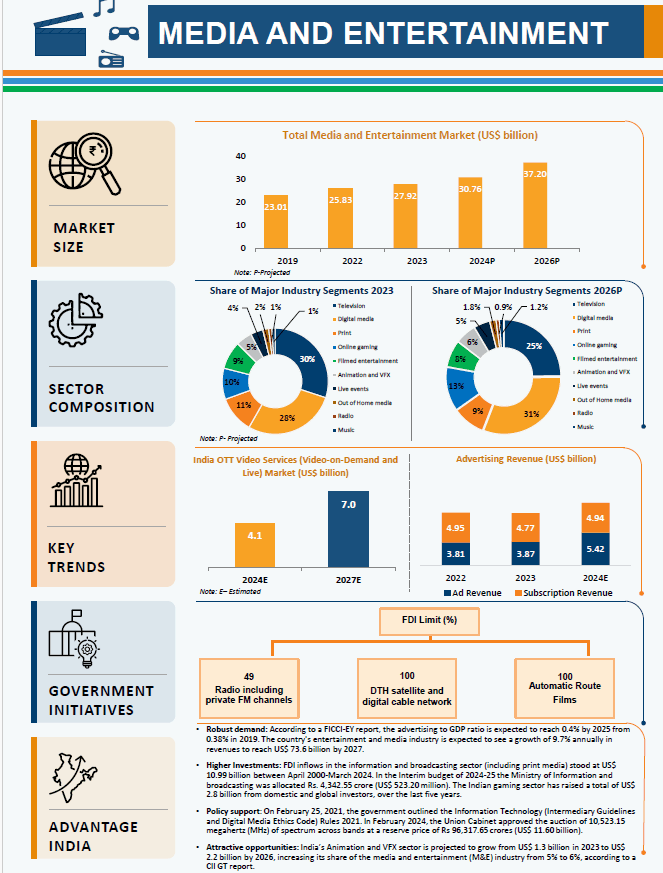
WAVES: global media-entertainment summit hosted by Ministry of Information & Broadcasting, India; 2025 edition chaired virtually by PM

Creative/Orange economy: knowledge-driven creation, production, distribution of cultural and digital goods, services

India: 5th-largest M&E market worldwide, leveraging initiatives like “Create in India Challenge” for accelerated growth

Quick Facts for MCQs

Institutional Setup

  • Organizer: I&B Ministry convenes WAVES, projecting India as hub for global M&E collaboration
  • Initiative: Create in India Challenge backs studios, startups, content labs to develop original IP

Economic Angle

  • Valuation: Creative economy worth USD 30 bn; M&E forecast USD 44.2 bn by 2028
  • Jobs: Nearly 8 % workforce and 100 mn creators derive income from the sector

Sector Composition

  • Industries: Advertising, architecture, arts, fashion, film, music, photography, publishing, R&D, software counted as orange economy
  • Value-chain: Knowledge-centric creation, production, distribution of cultural and digital goods defines sector

Key Data Points

FeatureData-Point
Summit acronymWAVES
Full formWorld Audio Visual & Entertainment Summit
Host ministryInformation & Broadcasting
2025 meet date11 Feb 2025
Flagship launchCreate in India Challenge
Creative industry valueUSD 30 billion
Workforce share~8 % of national employment
Content creators (2023)>100 million
M&E size projection 2028USD 44.2 billion
Global M&E rank5th (USA 1st)
GS-1Mapping

5.Ramakrishna Beach Pollution Concern (Beach Pollution)

The Hindu
Illustration for Ramakrishna Beach Pollution Concern (Beach Pollution)

What & Where

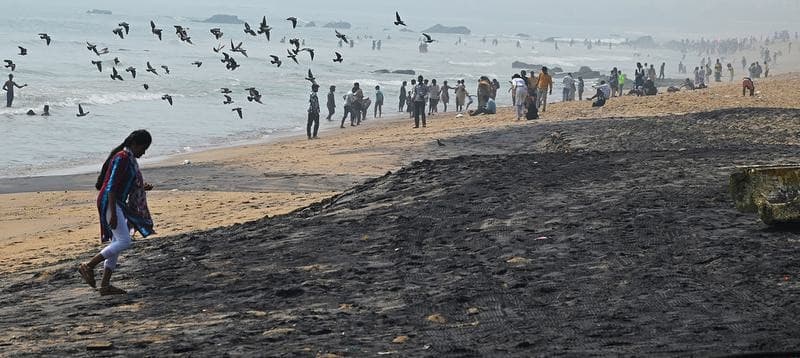
Ramakrishna Beach: urban sandy stretch on Bay of Bengal, Visakhapatnam district, Andhra Pradesh.

Situated near Dolphin’s Nose promontory and INS Kursura Submarine Museum; named after nearby Ramakrishna Mission Ashram.

Black-sand patches surfaced April 2024; experts attribute to sewage inflow, not natural heavy-mineral deposition.

Quick Facts for MCQs

Environmental Impact

  • Pollution: Sewage inflow darkens sand, raises coliform and organic load concerns.
  • Rarity: Region lacks placer-rich geology, hence blackening signals anthropogenic contamination.
  • Public health: Potential pathogenic exposure for bathers and vendors.

Administrative Response

  • GVMC action: Diverting canal sewage to coastal treatment plants under execution.
  • Monitoring: Municipal labs sampling water and sand for bacteriological analysis.
  • Future plan: Strengthen sewer network before monsoon tourist surge.

Cultural Features

  • Sculptures: Installations portray Buddhist motifs, fishermen, local folklore along promenade.
  • Recreation: Multiple mini-parks and open gyms maintained by VUDA enhance visitor experience.
  • Naming: Honors Ramakrishna Mission’s philanthropic legacy near the shoreline.

Key Data Points

FeatureData-Point
StateAndhra Pradesh
Water bodyBay of Bengal
Managing agencyVisakhapatnam Urban Development Authority (VUDA)
Municipal body handling sewageGreater Visakhapatnam Municipal Corporation (GVMC)
Suspected pollution sourceDrainage canals discharging untreated sewage
Mineral cause ruled outHeavy-mineral (ilmenite) presence rare here
Nearby headlandDolphin’s Nose
Tourist attraction adjacentINS Kursura Submarine Museum
GS-3Environment

6.Morand-Ganjal Project Threatens Tiger Reserves (Tiger Habitat Threat)

New Indian Express
Illustration for Morand-Ganjal Project Threatens Tiger Reserves (Tiger Habitat Threat)

What & Where

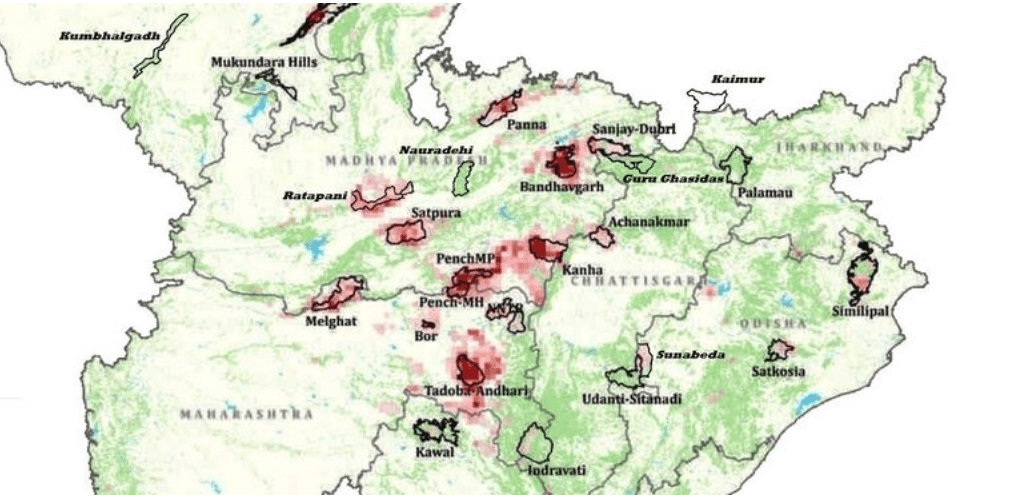
Morand-Ganjal Irrigation Project: proposed dam-based scheme on Morand & Ganjal rivers, central Madhya Pradesh

Rivers flow to Narmada; project zone spans Hoshangabad, Betul, Harda, Khandwa districts

NTCA flags submergence threat to Satpura & Melghat Tiger Reserves forming Satpura-Melghat wildlife corridor

Quick Facts for MCQs

Environmental Impact

  • Submergence risk to core & buffer zones, disrupting tiger breeding and prey base
  • Corridor flooding may impede wildlife dispersal, increasing human-wildlife conflict
  • NTCA warning adds hurdle for statutory forest & wildlife clearances

Tiger Reserves

  • Satpura TR: part of Satpura Range, rich mixed-deciduous forests, high carnivore diversity
  • Melghat TR: 1985 WLS merged; dry deciduous landscape, hosts Indian gaurs, wild dogs, giant squirrels
  • Both reserves lie within Central Indian tiger landscape requiring connectivity for viable populations

Hydro-Geography

  • Morand originates in Satpura hills, joins Ganjal before meeting Narmada
  • Ganjal catchment largely within Betul plateau; seasonal monsoon flow
  • Proposed dam would inundate valleys acting as wildlife movement routes

Key Data Points

FeatureData-Point
Project natureDam-based irrigation
Main riversMorand & Ganjal
Larger basinNarmada
Ganjal relationLeft-bank tributary of Narmada
Morand relationMajor tributary of Ganjal
Districts coveredHoshangabad, Betul, Harda, Khandwa
Alert issued byNational Tiger Conservation Authority
Impacted reservesSatpura (MP) & Melghat (MH)
Melghat statusAmong first nine Project Tiger reserves, 1973
Satpura locationHoshangabad district, MP
Corridor roleEnsures tiger genetic exchange Satpura-Melghat
Key faunaTigers, leopards, sloth bears, Indian bison
GS-3S&T

7.Rare Bombay Blood Group (Rare Blood Group)

Indian Express
Illustration for Rare Bombay Blood Group (Rare Blood Group)

What & Where

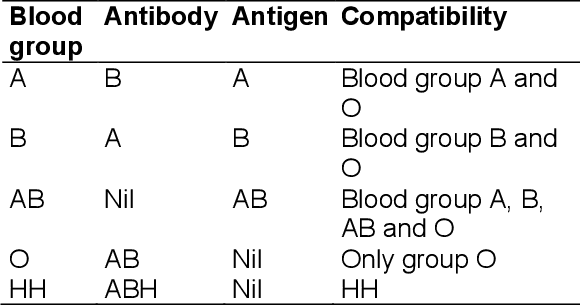
Bombay blood group (hh phenotype); lacks H antigen forming base for A/B antigens

First documented 1952, Mumbai by Dr Y.M. Bhende

Extremely rare: ~1 : 10,000 Indians; ~1 : 1 million worldwide

Quick Facts for MCQs

Transfusion Risks

  • Hemolysis occurs when H-positive blood given to hh recipients
  • Reaction manifests with fever, renal failure, shock within minutes
  • Inventory maintenance crucial; requires registered Bombay donor networks

Detection Challenges

  • Routine ABO kits detect absence of A/B but not H antigen
  • Anti-H lectin screening essential before surgery or transfusion

Recent Surgical Advances

  • 2024 MIOT Chennai executed first cross-blood kidney transplant for hh patient via plasmapheresis
  • 2025 Jaslok Mumbai reported India’s first successful hh-to-hh kidney transplant
  • Innovations widen organ-donor pool, lowering mortality among hh individuals

Key Data Points

FeatureData-Point
Alternate namehh phenotype
Discovery year1952
DiscovererDr Y.M. Bhende
Missing antigenH antigen
Safe donorsOnly Bombay blood group
Indian prevalence0.01 % (1 in 10,000)
Global prevalence0.0001 % (1 in 1 million)
Common mis-typingLabelled as O group in routine tests
Key confirmatory testAnti-H lectin agglutination
Transfusion dangerAcute hemolytic reaction if H antigen present
2024 breakthrough siteMIOT International, Chennai
Technique usedPlasmapheresis to remove anti-H antibodies

Related UPSC Prelims PYQs

GS1 2001PYQ 1

A man whose blood group is not known meets with a serious accident and needs blood transfusion immediately. Which one of the blood groups mentioned below and readily available in the hospital will be safe for transfusion?

GS-3S&T

8.Lymphatic Filariasis Elimination Drive (Parasitic Disease)

New Indian Express
Illustration for Lymphatic Filariasis Elimination Drive (Parasitic Disease)

What & Where

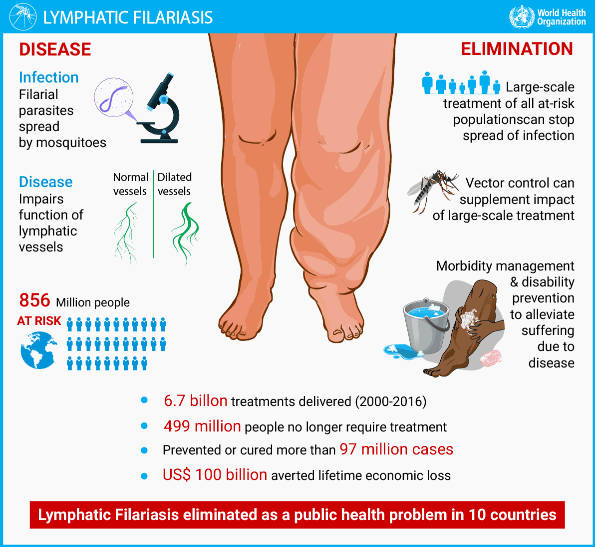
Disease: Lymphatic Filariasis (Elephantiasis), parasitic worms block lymphatic vessels causing chronic swelling

Key agents: Wuchereria bancrofti, Brugia malayi, Brugia timori transmitted by Anopheles, Culex, Aedes mosquitoes

Geography: India’s 111 endemic districts in 13 states; highest burden Bihar, Uttar Pradesh, Odisha; elimination target 2027

Quick Facts for MCQs

Causes & Transmission

  • Infection-route: Repeated infectious mosquito bites over months-years deposit larvae into bloodstream
  • Reservoir: Humans remain main source; no animal reservoirs complicating control
  • Seasonality: Higher transmission in monsoon enabling vector breeding

Clinical Manifestations

  • Lymphedema: Progressive limb, breast or genital swelling impairs mobility and livelihood
  • Elephantiasis: Skin thickening, disfigurement, psychosocial stigma
  • Hydrocele: Scrotal fluid accumulation common in adult males

Prevention & Treatment

  • Annual MDA: Community-wide DEC + Albendazole for ≥5 consecutive rounds
  • Accelerated areas: Triple-drug therapy achieves faster microfilaria clearance
  • Vector control: LLINs, larviciding, source reduction complement pharmacologic measures

Policy & Schemes

  • Government roadmap: MDA, Morbidity Management & Disability Prevention (MMDP), vector control integration
  • Financial cover: Ayushman Bharat PM-JAY funds hydrocelectomy for eligible patients
  • Monitoring: Microfilaria surveys and Transmission Assessment Surveys guide district certification

Key Data Points

FeatureData-Point
National goal year2027
Current driveMass Drug Administration (MDA)
Districts in 2024 round111
Participating states13
Standard drug packDiethylcarbamazine + Albendazole
Triple-drug packDEC + Albendazole + Ivermectin
Commonest parasiteWuchereria bancrofti
Other filarial speciesBrugia malayi, Brugia timori
Main vectorsAnopheles, Culex, Aedes
Surgery supportHydrocelectomy under PM-JAY
GS-3S&TQuick Bite

9.Rising Antibiotic Resistance (Antimicrobial Resistance)

The Hindu

What & Where

Antibiotic resistance: bacterial mutation/gene gain nullifying drug action, spreading in hospitals and communities worldwide

Antibiotics: drugs targeting bacterial cell wall, protein or DNA synthesis; minimal effect on human cells

India focus: 13 % in-hospital mortality from drug-resistant infections highlights regional severity

Quick Facts for MCQs

Health Impact

  • Mortality: AMR kills more people than HIV/AIDS or malaria globally as per 2021 estimate
  • India burden: High case-fatality signals urgent need for stewardship and surveillance
  • Healthcare cost: Prolonged hospital stay and expensive second-line drugs escalate expenditure

Scientific Mechanism

  • Penicillin: disrupts peptide cross-links, weakens cell wall, causes osmotic lysis
  • Resistance paths: enzyme degradation, structural modification, gene acquisition through plasmids
  • Compensation strategy: bacteria offset inactivated pathways, boosting resilience against multiple drugs

India Specific

  • Over-the-counter antibiotic sales and inadequate infection control accelerate resistance spread
  • National Action Plan on AMR (2017-21) under implementation yet faces funding and compliance gaps

Key Data Points

FeatureData-Point
Global AMR deaths 2021~1.2 million
Indian hospital mortality13 % in drug-resistant cases
Key cell-wall materialPeptidoglycan
Peptidoglycan partsGlycans + Peptides
Classic antibiotic examplePenicillin
Resistance enzymePenicillinase
New study insightBacteria compensate lost functions to survive

Related UPSC Prelims PYQs

CDS_GK, GS1 2019PYQ 1

Which of the following are the reasons for the occurrence of multi-drug resistance in microbial pathogens in India?

CDS_GK, GS1 2020PYQ 2

Antibiotic such as penicillin blocks

GS-2S&T

10.Paris AI Summit 2025 (AI Governance)

Times of India

What & Where

Paris AI Action Summit: 3rd global AI Safety Summit, 10-11 Feb 2025, Paris, France.

Co-chaired by India & France; follows UK 2023 and South Korea 2024 editions.

Mandate: AI safety, ethics, governance, innovation, equitable access, Global South advocacy.

Quick Facts for MCQs

AI Governance

  • Summit drafts norms & risk-management frameworks for frontier AI models.
  • Promotes open-source tools to narrow global AI divide.
  • Multilateral setting counters exclusive US-China dominance.

India’s Opportunities

  • Advocate democratised data & infrastructure funding for Global South stakeholders.
  • Showcase AI Safety Institute and indigenous public-interest models.
  • Deepen tech partnerships with France, EU, emerging AI economies.

Challenges

  • R&D monopoly persists with few giants: OpenAI, Google, DeepSeek.
  • Divergent US-EU-China regulations hinder unified global framework.
  • Rising threats: cyber-warfare, deepfake propaganda, intrusive surveillance.

Key Data Points

FeatureData-Point
Summit editionThird in global AI Safety series
2025 Dates10–11 February 2025
Venue cityParis
Indian roleCo-chair, voice for Global South
Previous hostsUK (2023), South Korea (2024)
Key attendeesUS, EU, China leaders; OpenAI & Google CEOs
Core agenda itemsSafety, governance, open-source, economic impact
Corporate concentrationOpenAI, Google, DeepSeek cited
Security concernDeepfakes & cyber-warfare misuse

Related UPSC Prelims PYQs

GEO_GS, GS1 2025PYQ 1

ग्रैण्ड पैलै (Grand Palais) पेरिस में नवम्बर 2025 में आयोजित होने वाले AI शिखर सम्मेलन के सन्दर्भ में, निम्नलिखित कथनों पर विचार कीजिए :

GEO_GS, GS1 2024PYQ 2

Which of the following statements about GPAI (Global Partnership on Artificial Intelligence) is/are correct?

GS-2Security

11.India-UK Defence Collaboration (India-UK Defence)

New Indian Express

What & Where

Agreement set: India-UK Defence Partnership–India signed during Aero India 2025, Bengaluru

Key systems: STARStreak LBRM, Lightweight Multirole Missile, ASRAAM air-to-air missile, Integrated Full Electric Propulsion

Core sites: New ASRAAM assembly-test centre Hyderabad; future naval LBTF in India for LPD fleet

Quick Facts for MCQs

Tech & Schemes

  • STARStreak uses laser beam riding guidance offering high-velocity MANPADS capability
  • IFEP envisages quieter, fuel-efficient electric drives for future Indian Navy platforms
  • LBTF allows shore testing of marine propulsion before installation on Landing Platform Docks

Economic Angle

  • Indigenous ASRAAM line expected to create skilled jobs in Telangana defence corridor
  • Agreements integrate Indian vendors into Thales global supply chain expanding export chances
  • Joint development aligns with Make-in-India cost saving and tech absorption goals

Security Dimension

  • New missile lines enhance IAF short-range air combat readiness and MANPADS inventory
  • Interoperability gains through common UK-origin weapon systems across services
  • Collaborative R&D deepens India-UK strategic defence alignment amid Indo-Pacific focus

Key Data Points

FeatureData-Point
Event hostAero India 2025, Bengaluru
Partnership labelDefence Partnership–India (DP-I)
STARStreak tie-upThales UK + Bharat Dynamics Ltd
LMM future buildThales + BDL
ASRAAM facility cityHyderabad
ASRAAM collaboratorsMBDA UK + BDL
Naval propulsion MoUIntegrated Full Electric Propulsion (IFEP)
IFEP signatoriesUK MoD + Indian MoD Statement of Intent
Maritime LBTF partnersGE Vernova + BHEL
Targeted LPD readinessBy 2030
Key policy boostAtmanirbhar Bharat

Related UPSC Prelims PYQs

CDS_GK, ESE_GS 2024PYQ 1

Ministry of Defence signed contract with which one of the following organizations for Upgraded Super Rapid Gun Mount (SRGM) and other equipment for around 3000 crores?

CDS_GK, ESE_GS 2025PYQ 2

भारत के सैन्य आयुध (military arsenal) के बारे में निम्नलिखित में से कौन-सा/कौन-से कथन सही है/हैं?

GS-2Security

12.India-Sri Lanka Fishing Dispute (Palk Bay Dispute)

The Hindu
Illustration for India-Sri Lanka Fishing Dispute (Palk Bay Dispute)

What & Where

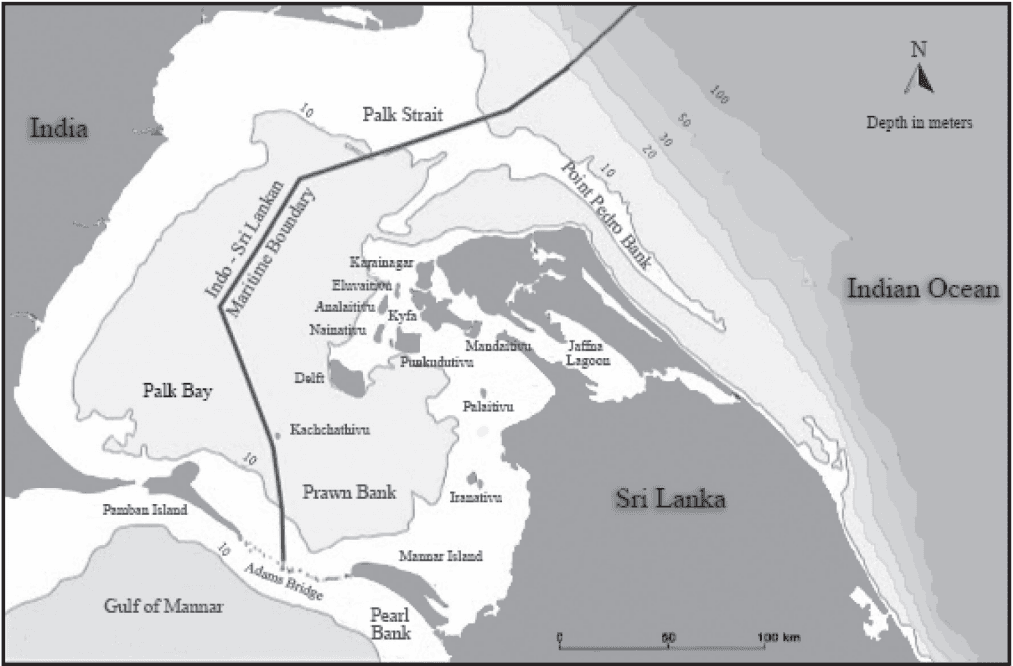
Palk Bay – 137 km long, shallow, nutrient-rich stretch between Tamil Nadu & Northern Sri Lanka

International Maritime Boundary Line (IMBL) – 1974-76 delimitation dividing territorial waters, guides fishing jurisdiction

Bottom trawling – weighted nets dragged on seabed, scrapes coral, sponges, juvenile habitats

Quick Facts for MCQs

Legal & Policy

  • UNCLOS 1982 Article 87 restricts high-seas fishing without due regard to other States
  • UNFSA 1995 mandates RFMO membership or compliance for accessing migratory stocks
  • Proposed Joint Working Group for continuous dialogue on arrest, boats, fines

Environmental Impact

  • Overfishing & trawling deplete stocks, push Indian crews into Sri Lankan waters
  • Bottom trawling removes benthic fauna, seabed recovery may need thousands of years
  • Catch limits, quotas, fingerling release advised for resource regeneration

Economic Angle

  • Sri Lanka estimates USD 730 mn yearly loss from Indian poaching
  • Depleting stocks cut Tamil Nadu fishers’ income, spur risky border crossings
  • Deep-sea fishing incentives recommended to shift effort offshore

Security Dimension

  • Recurrent incursions raise Sri Lankan fears of militant regrouping via fishing boats
  • Distinguishing fishers from smugglers strains Coast Guard & Navy patrol budgets
  • Boat confiscation, fines inflame Tamil Nadu politics, affect India’s UNHRC stance

Key Data Points

FeatureData-Point
Indian arrests in Sri Lanka (2024)500 + (first time since 2014)
Arrests peak earlier787 in 2014
Katchatheevu area285 acres
Sri Lankan loss due to poachingUSD 730 million/yr
Sri Lankan civil war ended2009
Northern outlet of Palk BayPalk Strait → Bay of Bengal
Southern boundary markerPamban Strait–Adam’s Bridge line
GS-3SecurityQuick Bite

13.TROPEX-25 Naval Exercise (Naval Exercise)

PIB

What & Where

Theatre Level Operational Exercise (TROPEX) 2025: Indian Navy’s biennial, largest maritime drill

Conducted across Indian Ocean Region during Jan – Mar 2025

Integrates Navy, Army, Air Force, Coast Guard against conventional, asymmetric, hybrid maritime threats

Quick Facts for MCQs

Exercise Structure

  • Harbour & Sea phases cover combat drills, carrier ops, anti-submarine tests
  • Dedicated cyber and electronic warfare scenarios included
  • Live weapon firings plus large-scale Amphibious Exercise (AMPHEX)

Threat Context

  • China fields world’s largest navy, >360 warships and submarines
  • PLAN maintains 7–8 surveillance/naval platforms in IOR round-the-clock
  • TROPEX emphasises countering conventional, asymmetric, hybrid Chinese threats

Forces & Assets

  • Theatre-level participation from all Naval Commands
  • Joint planning with Army formations and IAF maritime strike units
  • Coast Guard supplies domain-awareness and interdiction support

Key Data Points

FeatureData-Point
FrequencyBiennial
2025 Duration3 months (Jan–Mar 2025)
Exercise DomainIndian Ocean Region
Lead ServiceIndian Navy
Other ParticipantsIndian Army, Air Force, Coast Guard
Key PhasesHarbour & Sea phases
Major ComponentsCombat ops; cyber & electronic warfare; live firings; AMPHEX
Primary AimValidate warfighting skills & joint response
Chinese Presence in IOR7–8 PLAN vessels/spy ships continuously

Related UPSC Prelims PYQs

GEO_GS, NDA_GAT 2025PYQ 1

Naseem-Al-Bahr, held in October 2024, was a joint maritime exercise between the navies of India and

GEO_GS, NDA_GAT 2021PYQ 2

Which one of the following statements is most appropriate about ‘Exercise Kavach’?

GS-2Scheme

14.Revised Market Intervention Scheme (Market Intervention)

PIB

What & Where

Market Intervention Scheme (MIS): ad-hoc price-support for perishable crops lacking MSP.

Runs under Dept. of Agriculture & Farmers’ Welfare, within PM-AASHA umbrella; activated on ≥10 % price fall.

Applicable pan-India on State/UT request; procurement by NAFED, NCCF, FPOs/FPCs, State agencies.

Quick Facts for MCQs

Policy Revisions

  • Procurement limit hiked to 25 %; scope widened to FPOs/FPCs.
  • DBT option allows States to pay price differential directly.
  • TOP crops explicitly covered for assured procurement.

Financial Structure

  • Centre bears 50 % procurement loss; higher 75 % for NE.
  • CNA reimburses inter-State transport & storage expenses.
  • State funds part of operations; savings possible via DBT route.

Operational Mechanism

  • Activation only after formal State/UT request.
  • Procurement, distribution handled by CNA + approved local agencies.
  • Scheme remains ad-hoc, invoked during acute market glut.

Key Data Points

FeatureData-Point
Parent ministryDept. of Agriculture & Farmers’ Welfare
Umbrella programmePM-AASHA
Eligible producePerishable horticultural & other agri-commodities without MSP
Price-crash trigger≥10 % below previous season price
Procurement coverageRaised from 20 % to 25 % of production
Centre : State cost share50:50 (75:25 for NE States)
New payment modeDBT of MIP-market price gap to farmers
Key CNANAFED, NCCF
Additional procurersFPOs, FPCs, State-nominated agencies
Special focus cropsTomato, Onion, Potato (TOP)
Transport & storage costReimbursed by Central Nodal Agencies

Related UPSC Prelims PYQs

CAPF_GAI, GS1 2021PYQ 1

किसानों को प्रोत्साहन देने के लिए प्रत्येक वर्ष विभिन्न फसलों के लिए सरकार द्वारा घोषित की जाने वाली कीमत को क्या कहते हैं?

CAPF_GAI, GS1 2020PYQ 2

Consider the following statements :

GS-2Scheme

15.Restructured Skill India Programme (Skill India Restructure)

PIB

What & Where

Skill India Programme: 2015 pan-India mission under MSDE, NSQF-aligned skilling across sectors

2025 Cabinet: merges PMKVY 4.0, PM-NAPS, JSS into one Central Sector Scheme till Mar 2026

Credentials stored on DigiLocker; credits transferable via National Credit Framework

Quick Facts for MCQs

Scheme Components

  • PMKVY 4.0 offers short-term training, RPL, on-job exposure in 400+ emerging tech courses
  • PM-NAPS incentivises industry apprenticeships, paying DBT stipend share, prioritising MSME, aspirational districts
  • JSS delivers community driven, low-cost vocational courses linked with ULLAS, PM JANMAN

Funding & Incentives

  • Central Sector nature enables 100 % Union funding
  • Apprenticeship stipend support capped ₹1,500 per apprentice monthly
  • Certifications mapped to NSQF enabling formal credits under NCrF

Alignment & Mobility

  • Programme dovetails with PM Vishwakarma, Surya Ghar, Green Hydrogen Mission for sectoral manpower
  • DigiLocker storage plus NCrF credits ease domestic and overseas employment portability

Key Data Points

FeatureData-Point
Launch year2015
Admin ministrySkill Development & Entrepreneurship
Schemes mergedPMKVY 4.0, PM-NAPS, JSS
Continuation up toMarch 2026
Beneficiaries so far2.27 crore+
Original training target40 crore persons by 2022
PMKVY age band15–59 years
PM-NAPS stipend share25 % (up to ₹1,500/month) via DBT
JSS target age15–45 years
New PMKVY courses400+ in AI, 5G, drones, green-hydrogen

Related UPSC Prelims PYQs

GS1 2018PYQ 1

प्रधान मंत्री कौशल विकास योजना के संदर्भ में, निम्नलिखित कथनों पर विचार कीजिए:

GS1 2017PYQ 2

'पूर्व अभियांत्रिकी मापन योजना (Recognition of Prior Learning Scheme)' का कभी-कभी समाचारों में किस सन्दर्भ में उल्लेख किया जाता है ?

GS-1Editorial

16.Diversity, Equity and Inclusion Policies (DEI Policies)

Indian Express
Illustration for Diversity, Equity and Inclusion Policies (DEI Policies)

What & Where

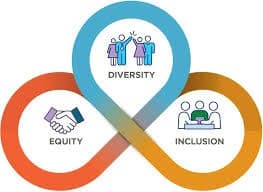
DEI policies: organisational measures ensuring Diversity, Equity, Inclusion, Accessibility in hiring, promotion, culture

Rollback location: United States federal agencies & many corporates after conservative pushback

Indian parallel: constitutional reservations for SC, ST, OBC; emerging private-sector diversity drives

Quick Facts for MCQs

Legal & Policy

  • SupremeCourtUS 2023 ruling constrained race-based college admissions, emboldening wider DEI rollback
  • TrumpOrder brands DEI programmes discriminatory; instructs federal units to eliminate mandatory trainings
  • IndiaConstitution allows positive discrimination but lacks single DEI statute for private sector

Economic Angle

  • Corporates expect cost-savings by cutting compliance, reporting, training linked to DEI mandates
  • Shareholders question ROI of diversity staffing targets amid recessionary pressures
  • RebrandingTrend: firms shift language from DEI to merit or culture-fit to avoid political heat

Ethical Debates

  • RawlsDifferencePrinciple breached as benefits to least-advantaged retract
  • CareEthics view: diminished moral duty toward underrepresented employees, lowering trust & cohesion
  • VirtueJustice lens: rollback seen as abandonment of fairness virtue in institutional conduct

Indian Context

  • ReservationPolicy covers public jobs, education; excludes most private hiring except select PSUs
  • CorporateIndia adopts voluntary targets: gender parity boards, LGBTQ+ inclusion, disability accessibility audits
  • GovernmentSchemes like SkillIndia, Stand-Up India indirectly bolster workplace diversity

Key Data Points

FeatureData-Point
Core componentsDiversity, Equity, Inclusion, Accessibility
Ethical basesRawlsian justice, Ethics of Care, Virtue ethics
Main criticismReverse discrimination, merit dilution, compliance cost
US actionTrump order revoking Biden-era DEI directives
Legal trigger2023 SCOTUS ban on affirmative-action admissions
Economic driverShareholder pressure over DEI expenditure
Indian toolArticles 15(4), 16(4) reservation quotas
GS-1Editorial

17.NITI Aayog Higher Education Report (Higher Education Funding)

The Hindu

What & Where

NITI Aayog report “Expanding Quality Higher Education through States & SPUs” maps funding, quality gaps in Indian higher education.

Focus on State Public Universities: spending shares, per-youth outlay, phased reform blueprint.

Geography spans all states; extremes range J-&-K (8.11 % GSDP) to Telangana (0.18 %).

Quick Facts for MCQs

Funding Disparities

  • Gap: Per-youth spend grew 2.3× yet inter-state inequality widened.
  • Top: Kerala, Tamil Nadu, Maharashtra, Andhra Pradesh, Telangana sustain high per-youth allocations.
  • Bottom: Rajasthan, Punjab, Chhattisgarh trail national averages.

Policy Roadmap

  • Short-term: Research hubs, journal curation, AI admin systems, 6 % GDP push.
  • Medium-term: R&D advisory, incubation, SDG-aligned courses, self-financed programs.
  • Long-term: Centres of Excellence, MERUs, PPP and fee-autonomy models.

Governance & Autonomy

  • Model: Regulatory-to-facilitator shift via Model Act and greater SPU autonomy.
  • Oversight: State Councils for Higher Education and Academic Bank of Credits implementation.
  • Autonomy: De-affiliation of mature colleges and localized accreditation strengthening.

Key Data Points

FeatureData-Point
Highest % GSDP spenderJammu & Kashmir 8.11 %
Other top % statesManipur 7.25 %, Meghalaya 6.64 %, Tripura 6.19 %
Lowest % GSDP statesTelangana 0.18 %, Gujarat 0.23 %, Rajasthan 0.23 %
Largest HE budgetMaharashtra ₹11,421 cr
Second largest budgetBihar ₹9,666 cr
Third largest budgetTamil Nadu ₹7,237 cr
Smallest HE budgetSikkim ₹142 cr
Per-youth spend 2005-06₹2,174
Per-youth spend 2019-20₹4,921
NEP-2020 fiscal goalEducation outlay 6 % GDP

Related UPSC Prelims PYQs

CDS_GK, ESE_GS 2021PYQ 1

Which one of the following statements is NOT correct regarding the National Education Policy 2020 in India ?

CDS_GK, ESE_GS 2021PYQ 2

Which one of the following statements in the context of social sector spending in India during 2014–19 (both States and the Union Government together) is true?

GS-1Misc

18.International Day for Women in Science (Women in STEM)

Indian Express

What & Where

International Day of Women and Girls in Science; UN-recognised observance on 11 February

Mandate; 2015 UNGA resolution seeks full, equal female access to science

Implementation; UNESCO and UN-Women coordinate with states, academia, civil society worldwide

Quick Facts for MCQs

Global Statistics

  • STEM-enrolment; women only 3 % IT, 5 % natural sciences, 8 % engineering
  • Researchers; UNESCO 2018 lists 28.8 % female knowledge creators globally
  • Prizes-gap; 20 female laureates among 334 Nobel science prizes 1901-2019

Indian Statistics

  • Enrolment; 9.3 % female UG engineering versus 15.6 % overall
  • Medical; 4.3 % female UG enrolment exceeds 3.3 % overall share
  • Workforce; women 20 % scientific staff, 28.7 % post-docs, 33.5 % PhDs in 620 institutes

Science Awards & Recognition

  • Abel; first woman winner Karen Uhlenbeck 2019 after 16 male mathematicians
  • Fields; only Maryam Mirzakhani honoured since 1936 amid 59 male medallists
  • SDG-linkage; STEM gender parity aligned with SDG 5 goals

Key Data Points

FeatureData-Point
Date of observance11 February
UNGA declaration2015
Implementing bodiesUNESCO & UN-Women
Global female STEM enrolment≈30 %
Global female researchers28.8 %
Indian female researchers13.9 %
Nobel science prizes to women20 of 616
First woman Abel laureateKaren Uhlenbeck (2019)
Fields Medal women1 (Maryam Mirzakhani)

Related UPSC Prelims PYQs

CDS_GK, GEO_GS 2024PYQ 1

Consider the following statements with reference to a Report titled 'The Paths to Equal', published in 2023, prepared by 'UN Women' and 'UNDP' (United Nations Development Programme):

CDS_GK, GEO_GS 2021PYQ 2

किस (Knowledge Involvement in Research Advancement through Nurturing) KIRAN योजना का उद्देश्य किस प्रकार की महिला वैज्ञानिकों को अवसर प्रदान करना है?

Ready to practice?

Test your knowledge with our UPSC test series.

Start Free Trial