UPSC Current Affairs

19 topicsGS-1: 7GS-2: 2GS-3: 10
0/19 done
GS-2Polity

1.Payment and Settlement Systems Act Provisions (Payment Systems Law)

Economic Times

What & Where

Legislation; Payment and Settlement Systems Act, 2007 regulates all payment systems across India

Authority; Reserve Bank of India empowered for authorisation, supervision, enforcement

Process; Act grants legal netting & settlement finality, fostering stable, efficient, consumer-safe payments

Quick Facts for MCQs

Legal & Policy

  • Objective; ensure financial stability, efficiency, consumer protection within national payment ecosystem
  • Provision; establishes netting, settlement finality as legally enforceable concepts
  • Clarification; key terms defined—payment system, instruction, obligation, settlement

Regulatory Powers

  • Authorization; RBI may grant, refuse, suspend licences for payment systems
  • Enforcement; RBI conducts inspections, can direct corrective measures, impose monetary penalties
  • Compounding; central bank empowered to compound offences, avoiding protracted court proceedings

Scope & Exemptions

  • Inclusion; Act spans funds, securities, forex, derivative settlement infrastructures
  • Extension; applies to FMIs like central counterparties and trade repositories
  • Exclusion; activities under stock exchanges remain outside PSS Act ambit

Key Data Points

FeatureData-Point
Enactment year2007
Admin authorityReserve Bank of India
Mandatory authorisationRequired before operating any payment system
Penalty ceiling₹10 lakh or 2× contravention amount, whichever higher
CompoundingRBI may settle non-imprisonable offences out of court
Oversight bodyBPSS, committee of RBI Central Board
CoverageCard networks, money transfers, FMIs (CCP, SSS, TR)
Exemption clauseStock exchanges & their clearing corps (Sec 34)
Latest tweak (2024)Stricter norms for penalties & compounding issued by RBI

Related UPSC Prelims PYQs

GS1 2019PYQ 1

Consider the following statements:

GS1 2023PYQ 2

Which one of the following activities of the Reserve Bank of India is considered to be part of ‘sterilization’?

GS-3Economy

2.Economic Survey 2024-25 Highlights (Economic Survey)

PIB

What & Where

Economic Survey: annual government report reviewing and forecasting the Indian economy, tabled a day before the Union Budget.

Preparation: drafted by Economic Division, Ministry of Finance under Chief Economic Adviser.

Presentation: laid in Lok Sabha & Rajya Sabha by the Union Finance Minister.

Quick Facts for MCQs

Global Economy

  • IMF_projection: 2024 world growth 3.2 %; manufacturing softened by supply-chain issues, services robust.
  • Inflation_trend: headline easing yet services inflation sticky, prompting divergent central-bank stances.

Sectoral Performance

  • Agriculture_growth: 3.8 % FY25 backed by record Kharif output and healthy rural demand.
  • Manufacturing_growth: 6.2 % FY25 but momentum hampered by weak external orders.
  • Services_growth: 7.2 % FY25; IT, finance, hospitality remain principal drivers.

External & Fiscal Challenges

  • Trade_balance: exports +1.6 %, imports +5.2 %; deficit widens despite 11.6 % services export surge.
  • Remittances_flow: India retains world lead, cushioning CAD to 1.2 % of GDP.
  • State_finances: higher subsidies and tepid tax mobilisation elevate sub-national fiscal stress.

Key Data Points

FeatureData-Point
First presentation1950-51 (within Budget)
Became separate document1964
Real GDP growth FY25 est.6.4 %
GDP growth band FY266.3–6.8 %
Agriculture growth FY253.8 %
Industry & Manufacturing FY256.2 %
Services growth FY257.2 %
CAD FY25 (estimate)1.2 % of GDP
Overall export growth 9 m FY256 % YoY
Services export growth11.6 % YoY
Merchandise export growth1.6 % YoY
Merchandise import growth5.2 % YoY
Global GDP growth 2024 (IMF)3.2 %

Related UPSC Prelims PYQs

CAPF_GAI, GS1 1998PYQ 1

Economic Survey in India is published officially, every year by the

CAPF_GAI, GS1 2025PYQ 2

Which one among the following is the estimated fiscal deficit as a percentage of GDP of India in the Budget Estimates of 2025-26?

GS-3Economy

3.Need for Indian Sovereign Wealth Fund (Sovereign Wealth Fund)

Financial Express

What & Where

Definition: Government-owned investment fund deploying surplus reserves into financial assets for long-term national wealth creation

Types: Stabilization, Future-generation, Pension-reserve, Reserve-investment, Strategic-development funds per Santiago Principles

Current move: India examining Bharat Sovereign Wealth Fund to monetise PSU equity and excess forex holdings

Quick Facts for MCQs

Historical Context

  • 2007-08: Capital inflow USD 108 bn triggered first SWF debate in India
  • 2010-11: Planning Commission proposed USD 10 bn SWF using reserves, PSUs, budget
  • 2015: National Infrastructure Investment Fund became India’s lone quasi-SWF

Economic Angle

  • Diversification: Shift part of forex from low-yield US Treasuries to higher-return global assets
  • Strategic sectors: Target EVs, hydrogen, semiconductors, biotech, AI for growth leadership
  • Soft power: Ability to co-invest abroad, fund disaster relief, elevate global influence

Risk Factors

  • Deficits: India runs chronic current-account and fiscal gaps unlike surplus-rich SWF nations
  • Macro shock: Global slowdown, tighter credit could slash returns, strain fiscal buffers
  • ESG threat: Fossil-heavy portfolios risk stranded assets amid climate policies

Governance & Strategy

  • Framework: Align with Santiago Principles for transparency, accountability, prudence
  • Phasing: Gradual capital allocation to protect fiscal discipline while scaling fund
  • Co-investment: Partner global funds to import expertise, share risk, amplify ticket size

Key Data Points

FeatureData-Point
Santiago Principles year2008
Largest SWF & corpusNorway GPFG ≈ USD 1.7 trn
Planned Indian fund nameBharat Sovereign Wealth Fund / The Bharat Fund
Potential PSU wealth unlocked₹40 lakh cr ≈ USD 450-500 bn
Annual gain from 2 % PSU sell-down> USD 10 bn
Resultant deficit drop4.9 % → 4.6 % of GDP
Forex reserve cover> 9 months imports
NIIF establishment2015

Related UPSC Prelims PYQs

CDS_GK, GS1 2024PYQ 1

Which one of the following is not a fund managed by NIIFL (National Investment and Infrastructure Fund Limited)?

CDS_GK, GS1 2010PYQ 2

With reference to the National Investment Fund to which the disinvestment proceeds are routed, consider the following statements :

GS-3Economy

4.Contract Farming Benefits in India (Contract Farming)

Indian Express

What & Where

Contract farming – pre-season pact on price, quantity, quality, delivery between farmer and buyer

Usage concentrated in India for processed potatoes; scalable to other high-value crops and regions

Potato belt: Uttar Pradesh, West Bengal, Bihar; India ranks 2nd globally after China

Quick Facts for MCQs

Economic Angle

  • Guaranteed-price contracts cut wastage, stabilise returns, raise farm incomes
  • Firms supply credit, seed, know-how, boosting yields and operational efficiency
  • Disintermediation lowers consumer prices, strengthens value-chain competitiveness

Social Concerns

  • Smallholders face weak bargaining power, risk exploitative clauses and forced cultivation
  • Cash-crop focus under contracts may erode local food security staples
  • Input-controlled contracts can erode de-facto land autonomy of growers

Environmental Impact

  • Monocropping intensifies pest pressure, pesticide and fertiliser load
  • High water demand under intensive contracts stresses aquifers
  • Continuous contract cycles risk long-term soil and ecosystem degradation

Legal & Policy

  • 2003 Model APMR Act mandates contractor registration, protects land, waives market fee
  • 2018 draft Act proposes state authorities, FPO promotion, produce insurance, quick dispute redressal
  • Reforms urged: land consolidation, FPO clustering to widen farmer negotiation space

Potato Case Study

  • Processed potato contracts cited as India’s flagship success, template for other perishables
  • 2016 PepsiCo sued Gujarat farmers over FL 2027; compensation demanded
  • 2024 Delhi HC reinstated PepsiCo’s FL 2027 registration under PPV&FR Act, dispute revived

Key Data Points

FeatureData-Point
Farmers’ share in fruit/veg retail price31 % – 43 % (RBI)
Global potato rankIndia 2nd, after China
Major CPRI releasesKufri potato varieties
Model APMR Act year2003
Model Contract Farming Act draft2018
Disputed PepsiCo varietyFL 2027
Delhi HC order on FL 20272024
GS-1History

5.Devi Ahilyabai Holkar Maratha Ruler (Maratha Ruler)

PIB
Illustration for Devi Ahilyabai Holkar Maratha Ruler (Maratha Ruler)

What & Where

Ahilyabai Holkar (1725-1795) – Holkar queen who ruled Malwa after 1767 under Maratha Confederacy

Shifted capital from Indore to Maheshwar on the Narmada, present-day Madhya Pradesh

300th birth anniversary observed by IGNCA and Lokmata Ahilyabai Trishatabdi Samaroh Samiti

Quick Facts for MCQs

Governance & Justice

  • Daily Darbar; direct hearing and speedy redressal of grievances
  • Impartial justice; sentenced own son for homicide offense
  • Widow rights; annulled confiscation laws safeguarding property inheritance

Economic Initiatives

  • Maheshwar textile workshops; promoted Maheshwari saree craft and local employment
  • Trade encouragement; balanced treasury without heavy taxation
  • Industrial mindset; supported artisans and weavers across Malwa

Religious & Cultural Works

  • Temple building spree; funded shrines ghats dharamshalas nationwide including Dashashwamedh Ghat Varanasi
  • Kashi Vishwanath reconstruction 1780; financed shikhara gilding and rituals
  • Ganga water supply networks; ensured continuous holy water to distant temples

Military & Security

  • Personally led troops protecting Indore against Maratha Nizam Afghan raids
  • Strengthened cavalry under Tukoji Rao Holkar maintaining Malwa stability
  • Fortification repairs along Narmada; deterred plundering bands

Key Data Points

FeatureData-Point
Birth date31 May 1725
BirthplaceChondi village, Ahmednagar, Maharashtra
FatherMankoji Shinde, village Patil
MarriageKhanderao Holkar, 1733, age 8
Reign period1767 – 1795
Dynasty seatHolkar dynasty of Indore
Capital chosenMaheshwar, Madhya Pradesh
Key temple rebuiltKashi Vishwanath, 1780
Textile legacyInitiated Maheshwari saree weaving
Army chief namedTukoji Rao Holkar
GS-1History

6.Nicobarese Tribe Migration Genetics Study (Nicobarese Tribe)

The Hindu
Illustration for Nicobarese Tribe Migration Genetics Study (Nicobarese Tribe)

What & Where

Nicobarese = Austroasiatic-speaking Scheduled Tribe resident on 19 Nicobar Islands, Bay of Bengal, Andaman & Nicobar UT.

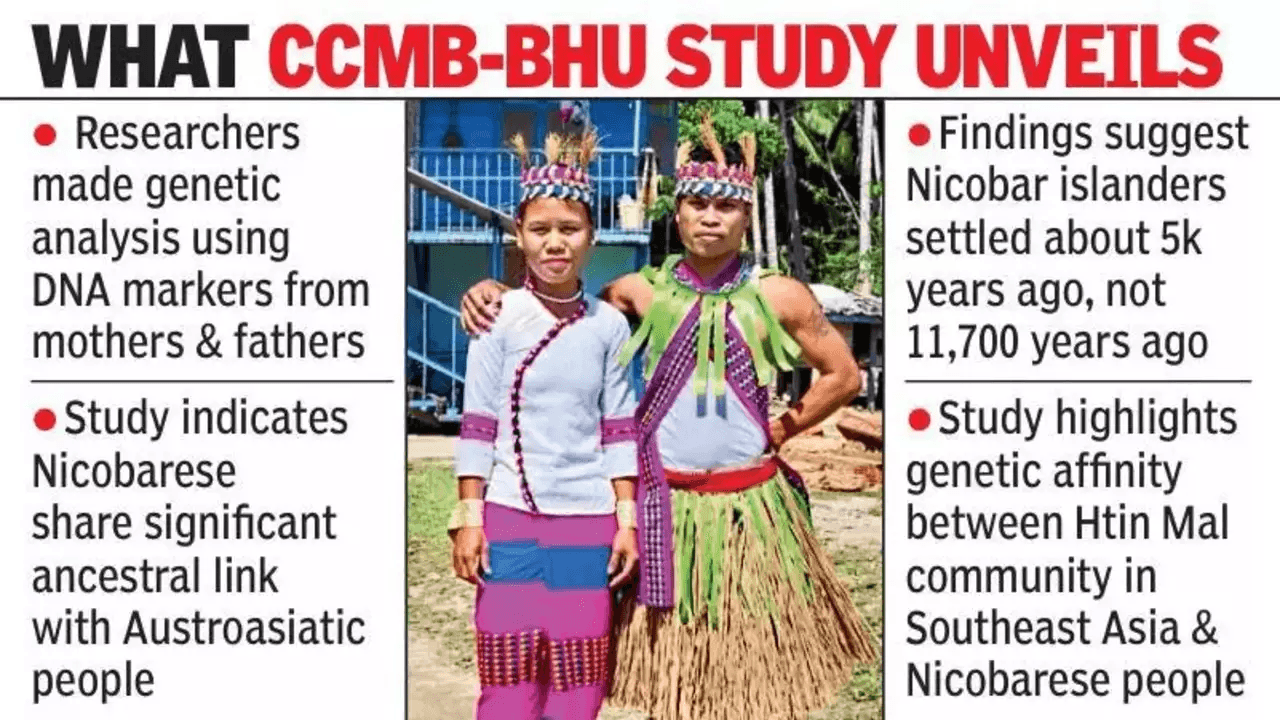
Advanced genome analysis now dates Southeast Asian ancestor arrival to ~5,000 BP, revising earlier 11,000 BP estimate.

Key islands: Car Nicobar, Kamorta, Nancowrie, Great Nicobar (southernmost, largest; hilly + flat terrains).

Quick Facts for MCQs

Genetic Findings

  • Whole-genome sequencing clarifies Southeast Asian, not South Asian, ancestral source.
  • Isolation minimizes gene flow, aiding precise phylogenetic tracing.
  • Study appears in European Journal of Human Genetics, 2025.

Social Structure

  • Tuhet decides land use, marriage, conflict resolution collectively.
  • No individual land title; resources managed for clan welfare.
  • Patriarch leads but consensus customary.

Geography & Demography

  • Nicobars located between 6°–10° N latitudes, guarding Malacca trade route.
  • Great Nicobar hosts biosphere reserve & proposed transhipment port.
  • Shompen inhabit interior rainforest, semi-nomadic hunter-gatherers.

Key Data Points

FeatureData-Point
Revised migration date≈ 5,000 years ago
Earlier estimate> 11,000 years ago
DNA evidence linksHtin Mal (Laos–Thailand)
Linguistic familyAustroasiatic, Khmuic branch
Ethnic stockMongoloid
Population (approx.)27,000+
Territorial group countSix (incl. Shompen inland)
Family unit nameTuhet (patriarchal joint)
Ownership patternCollective land, coconut, pigs
Isolation effectHigh genetic purity, low admixture

Related UPSC Prelims PYQs

GS1 2009PYQ 1

In which one of the following places is the Shompen tribe found ?

GS1 1997PYQ 2

The tribal population in Andaman and Nicobar Islands belongs to the

GS-1HistoryQuick Bite

7.Mahatma Gandhi Martyrs’ Day Observance (Martyrs' Day)

Indian Express

What & Where

Martyrs' Day/Shaheed Diwas – national remembrance day for freedom-struggle martyrs

Primary observance 30 January nationwide; focal ceremony at Raj Ghat, Delhi

Secondary observance 23 March honours Bhagat Singh, Rajguru, Sukhdev

Quick Facts for MCQs

Historical Context

  • Assassination 30 Jan 1948 occurred during evening prayer meeting
  • Event intensified nationwide commitment to non-violence and unity

Key Personalities

  • Mahatma Gandhi titled Father of Nation; led non-violent freedom movement
  • Bhagat Singh, Rajguru, Sukhdev executed 23 Mar 1931 for Lahore Conspiracy case

Observance Practices

  • Two-minute silence at 11 AM on 30 January across government offices
  • Wreath-laying, bhajans, all-faith prayers conducted at Raj Ghat

Key Data Points

FeatureData-Point
Primary Martyrs’ Day30 January
Year of Gandhi assassination1948
AssassinNathuram Godse
Assassination venueBirla House, Delhi
Main prayer locationRaj Ghat memorial
Secondary Martyrs’ Day23 March
Revolutionaries commemorated 23 MarchBhagat Singh, Shivaram Rajguru, Sukhdev Thapar
Core purposeHonour sacrifice for Indian independence
GS-1Mapping

8.Kurdistan Region Mapping Overview (Middle East Region)

DD News
Illustration for Kurdistan Region Mapping Overview (Middle East Region)

What & Where

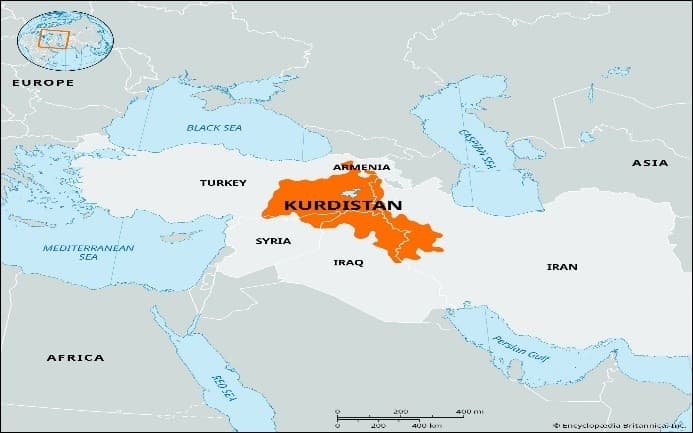
Kurdistan Region of Iraq (KRI); semi-autonomous area in north Iraq governed by Kurdistan Regional Government.

Core geography: Zagros Mountains, Tigris & Greater Zab rivers; continental climate with hot summers, cold snowy winters.

Borders: Turkey, Iran, Syria, Baghdad-controlled Iraq; capital at Erbil.

Quick Facts for MCQs

India's Humanitarian Aid

  • Dispatch: India air-lifted bronchodilators, inhalers, ventilators to Erbil hospital network.
  • Objective: Strengthen health infrastructure; projects India’s soft-power and “Vasudhaiva Kutumbakam” ethos.
  • Continuity: Follows earlier Covid-19 assistance to Iraq; reinforces bilateral goodwill.

Physical Geography

  • Topography: Rugged mountains create natural northern and eastern frontiers with Turkey, Iran.
  • Hydrology: River valleys sustain agriculture, urban belts, hydro-potential within arid Mesopotamian context.
  • Climate impact: Snowmelt feeds rivers; harsh winters influence settlement patterns and transport.

Governance & Politics

  • Autonomy: Kurdistan Regional Government holds executive, legislative authority yet disputed by Baghdad over budgets, oil rights.
  • Legislature: Unicameral Kurdistan Parliament seated in Erbil, elected periodically.
  • Security forces: Peshmerga under KRG command, cooperate and sometimes contest with Iraqi Army.

Key Data Points

FeatureData-Point
Country locationNorthern Iraq
Administrative statusSemi-autonomous under Iraqi Constitution
Capital cityErbil
GovernatesErbil, Sulaymaniyah, Dohuk, Halabja
Key mountain rangeZagros Mountains
Major riversTigris, Greater Zab
Climate typeContinental (hot dry summers, cold winters)
Neighbouring statesTurkey, Iran, Syria, rest of Iraq
Recent Indian aidBronchodilators, inhalers, ventilators
UN missionUNAMI (UN Assistance Mission for Iraq)
GS-1Mapping

9.Potomac River Course and Tributaries (US River)

CNN

What & Where

Potomac River: 405 mi Mid-Atlantic river, West Virginia Highlands → Chesapeake Bay.

Traverses/defines West Virginia, Maryland, Virginia & Washington DC.

Scene of fatal American Airlines–US Army Black Hawk mid-air collision (67 deaths).

Quick Facts for MCQs

Physical Geography

  • Tributaries expand basin to 14,700 sq mi before Chesapeake discharge.
  • Shenandoah confluence near Harpers Ferry forms scenic gorge.
  • Tidal influence felt ~117 km upstream to Washington DC.

Transport & Safety

  • National Capital airspace highly regulated under FAA Special Flight Rules Area.
  • Mixed civilian-military traffic increases collision risk in Potomac corridor.
  • Crash underscores need for altitude separation & real-time coordination.

Security Dimension

  • Potomac borders Pentagon, Capitol & other federal assets; vital for homeland security logistics.
  • Black Hawk deployments support NCR rapid-response and VIP transport missions.
  • Airspace incidents prompt joint FAA–DoD investigations to refine protocols.

Key Data Points

FeatureData-Point
Source regionPotomac Highlands, WV
Total length405 miles (652 km)
MouthChesapeake Bay, MD
States/UT crossedWV, MD, VA, DC
Major tributariesNorth & South Branches, Shenandoah, Anacostia, Monocacy
Collision aircraftAmerican Airlines jet & US Army UH-60 Black Hawk
Fatalities in crash67 persons
River basinMid-Atlantic, USA
GS-3Environment

10.Yamuna River Ammonia Pollution Issue (Water Pollution)

Indian Express
Illustration for Yamuna River Ammonia Pollution Issue (Water Pollution)

What & Where

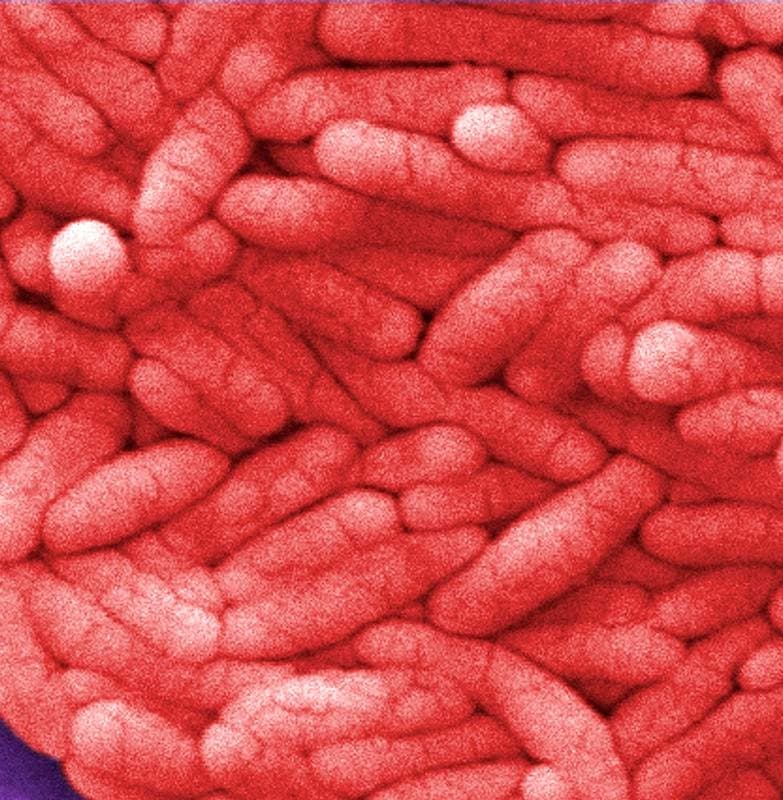
Contamination: Delhi stretch of Yamuna sees ammonia frequently >1 ppm (treatment plants’ upper limit).

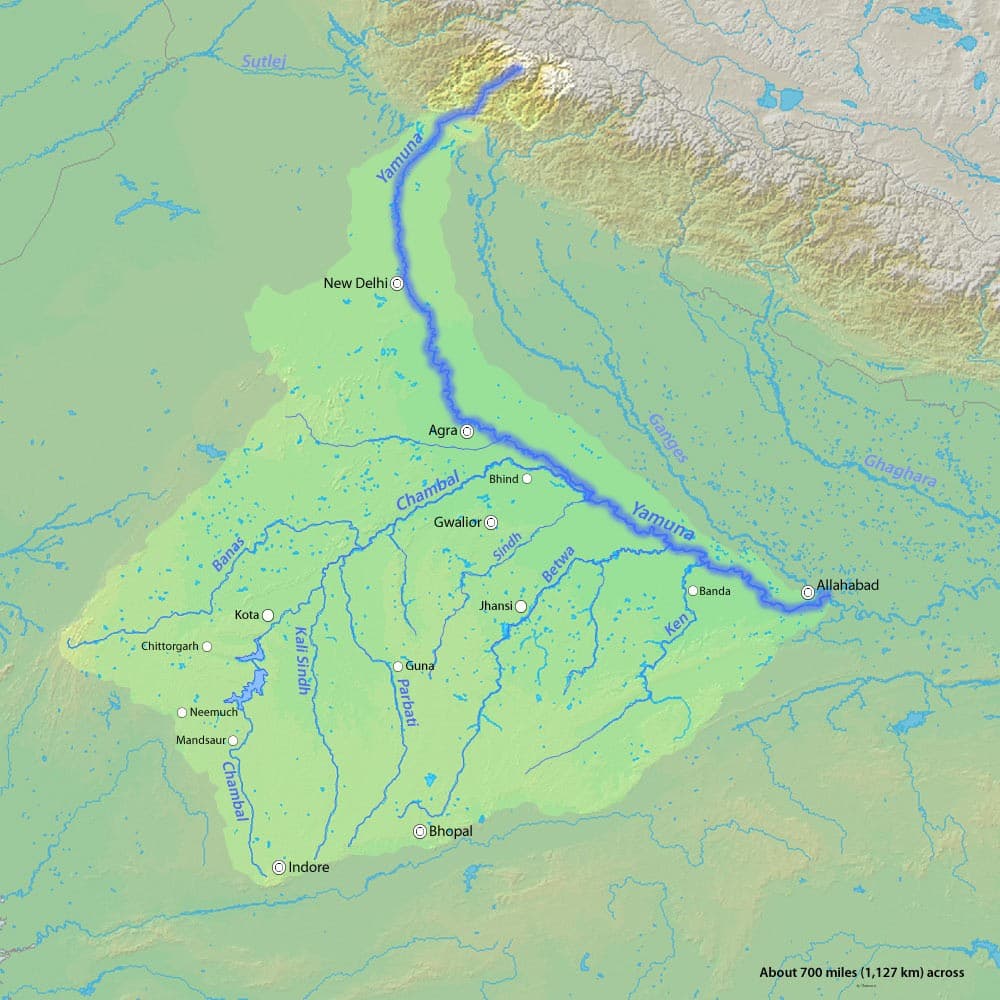
Location: River runs 52 km through NCT, entering at Palla, exiting Jaitpur.

Source–Mouth: Rises at Yamunotri Glacier (4,421 m, Uttarakhand); joins Ganga at Prayagraj.

Quick Facts for MCQs

Sources of Pollution

  • Industrial: Textile & other units in Panipat–Sonipat release untreated effluent.
  • Agriculture: Fertiliser runoff elevates ammonia in upstream Haryana fields.
  • Sewage/Natural: Untreated urban waste plus organic decay add background load.

Environmental & Health Impact

  • Aquatic: Ammonia lowers dissolved oxygen, endangering river biota.
  • Human: Corrosive ammonia linked to internal organ damage on ingestion.
  • Supply: DJB shuts plants when levels >1 ppm, causing Delhi water shortages.

Governance & Supply

  • Inter-state: Delhi blames Haryana for effluent; political flashpoint each winter.
  • Treatment limits: Existing plants lack advanced breakpoint chlorination capability.
  • Mitigation push: DJB seeking upstream effluent regulation, real-time monitoring.

River Geography

  • Himalayan tributaries: Rishi Ganga, Hanuman Ganga, Tons, Giri.
  • Plains tributaries: Hindon, Chambal, Sind, Betwa, Ken.
  • Course change: Historical tectonics diverted Yamuna east from ancient Ghaggar.

Key Data Points

FeatureData-Point
Permissible ammonia in raw water1 ppm (parts per million)
Peak contamination seasonWinter months
Main industrial source districtsPanipat & Sonipat, Haryana
Key agricultural contributorAmmonia-based fertiliser runoff
Major sewage issueUntreated urban discharge
Longest Indian river not reaching seaYamuna – 1,376 km
Tributary giving ~60 % flowTons River
Total catchment area3,62,200 km²
Basin statesUttarakhand, HP, Haryana, Delhi, UP, Rajasthan
NCT entry altitude approx.215 m at Palla
GS-3Environment

11.Coal Dust Impact on Vegetation (Mining Pollution)

The Hindu

What & Where

Coal; sedimentary fossil fuel from ancient plant remains; dominant Indian energy source.

Mining dust plume extends ≈30 km from pits, coating regional vegetation and habitations.

Indian coal belt: Odisha, Chhattisgarh, Jharkhand, parts Madhya Pradesh; supply 75 % domestic dispatch.

Quick Facts for MCQs

Environmental Impact

  • Carbon-uptake drop elevates atmospheric CO₂, worsening global warming.
  • Stomata blockage limits transpiration, causing leaf overheating, stunted growth, ecosystem stress.
  • Dust peaks along mine-haul roads, degrading roadside flora up to 30 km.

Human Health

  • Respiratory ailments: pneumoconiosis, COPD, lung cancer from prolonged coal-dust inhalation.
  • Cardiovascular risk escalates via dust-induced inflammation, hypertension, arterial blockage.
  • Heavy-metal particles cause neurotoxicity, skin-eye irritation, reproductive harm.

Production & Economy

  • India second-largest coal producer globally yet imports coking coal for steel.
  • UPSC 2015 prelim: steel industry requires coking coal; 2012 prelim flagged import due supply gaps.
  • Open-cast operations dominate; blasting, drilling, transport magnify airborne particulate load.

Key Data Points

FeatureData-Point
Dust reach distance≈30 km from mine
Carbon uptake loss2–3 g C m⁻² leaf area
Highest dust zonesTransportation/haul roads
Photosynthesis impactStomata clog → ↓ transpiration
Producer rank 20221 China 2 India 3 Indonesia 4 USA 5 Russia
Largest coal reservesUSA
Indian dispatch share75 % from Odisha–Chhattisgarh–Jharkhand–MP
Key respiratory diseasePneumoconiosis (black lung)
Cardiovascular effectInflammation → heart disease, strokes
Study institutionsUniv. of Southampton & NIT Rourkela

Related UPSC Prelims PYQs

GS1 2020PYQ 1

Consider the following statements:

GS1 2011PYQ 2

Consider the following:

GS-3S&T

13.Axiom Mission-4 Commercial ISS Flight (Private ISS Mission)

DD News
Illustration for Axiom Mission-4 Commercial ISS Flight (Private ISS Mission)

What & Where

Axiom Mission 4 (Ax-4) = private, 14-day crewed flight to the ISS in Low Earth Orbit

Operated by US firm Axiom Space; launch from Kennedy Space Center via SpaceX Falcon 9 + Dragon

Marks first visit of an Indian astronaut to ISS aboard a commercial spacecraft

Quick Facts for MCQs

Commercial Space

  • Initiative advances space tourism, private research payloads, eventual independent orbital outpost
  • Revenue model leverages NASA transition from ISS to commercial LEO destinations
  • Demonstrator for hardware to be attached then detached as Axiom Station modules

International Collaboration

  • Multinational crew highlights US-Europe-India-Hungary partnership under NASA ISS framework
  • ESA involvement via Polish payload specialist strengthens agency role in commercial missions
  • Supports soft-power diplomacy and diversified funding for spaceflight

Indian Angle

  • Milestone first Indian on ISS via private craft; earlier Indians flew on Soyuz/Shuttle missions
  • Shubhanshu Shukla also shortlisted for ISRO’s Gaganyaan human-spaceflight programme
  • Participation gives ISRO hands-on ISS operations experience ahead of indigenous missions

Key Data Points

FeatureData-Point
Mission sequenceFourth Axiom–NASA ISS mission (after Ax-1, 2, 3)
Launch vehicleSpaceX Falcon 9
CapsuleCrew Dragon
Planned duration~14 days on ISS
Crew size4 (1 commander, 1 pilot, 2 specialists)
CommanderPeggy Whitson, ex-NASA
PilotShubhanshu Shukla, ISRO & IAF
SpecialistsSławosz Uznanski-Wisniewski (Poland-ESA), Tibor Kapu (Hungary)
Orbit altitude~400 km LEO (ISS)
Key objectivesMicrogravity R&D, tech demos, educational outreach, commercial station prep
Long-term planAxiom standalone commercial space station

Related UPSC Prelims PYQs

CDS_GK, GS1 2025PYQ 1

निम्नलिखित अंतरिक्ष मिशनों पर विचार कीजिए :

CDS_GK, GS1 2022PYQ 2

India's maiden human space mission will be launched in 2023. What is its name?

GS-3Security

14.Stampede Risks and Crowd Management (Crowd Management)

Indian Express
Illustration for Stampede Risks and Crowd Management (Crowd Management)

What & Where

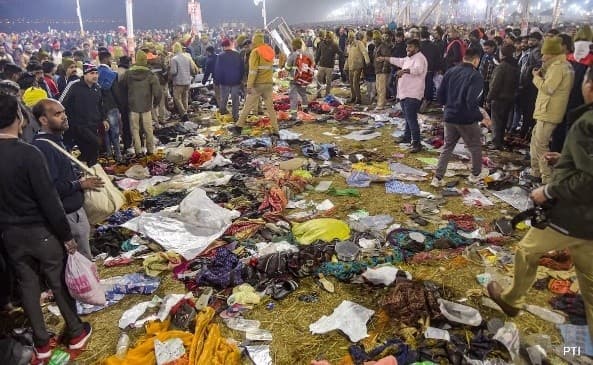
Stampede = uncontrolled crowd surge causing trampling, suffocation, mass casualties.

Hot-spots in India: 79 % incidents during religious gatherings; recent case at Mahakumbh Mela 2025, Prayagraj.

Trigger mix: panic rumours, structural bottlenecks, insufficient exits, poor coordination.

Quick Facts for MCQs

Causes & Triggers

  • Structural flaws: weak temporary bridges, narrow passages, inadequate ventilation ignite choke points.
  • Human factors: panic from rumours, sudden surges, religious fervour overriding discipline.
  • Coordination-gaps: mis-estimated footfall, understaffed control, delayed agency response.

NDMA Guidelines

  • Assessment: pre-event crowd modelling, controlled entry points, capped footfall.
  • Safety: strong barricades, multiple emergency exits, sector-wise movement corridors.
  • Response: onsite medical, ambulances, fire units; CCTV & PA systems for real-time alerts.

Implementation Challenges

  • Enforcement-deficit: limited trained personnel, poor inter-agency mesh, weak sector deployment.
  • Infrastructure-limits: encroachments, ageing bridges, dim lighting hamper rapid evacuation.
  • Tech-lag: scarce AI analytics, GPS tracking, drone surveillance slows surge detection.

Way Forward

  • Pre-registration: mandatory online passes to fix maksimum crowd.
  • Smart-monitoring: AI, drones, heat-maps to forecast density spikes.
  • Capacity-building: regular mock drills, crowd-psychology training for police & volunteers.

Key Data Points

FeatureData-Point
Latest incident date29 Jan 2025
Casualties, Mahakumbh Mela30 dead, 60 injured
Share in religious events (India)79 % of stampedes
Key structural riskNarrow entry/exit & weak barricades
Core NDMA actionsCrowd estimation, robust infrastructure, CCTV, emergency readiness, public info
GS-3S&TQuick Bite

15.Post-Quantum Cryptography for VPN Security (Post-Quantum Crypto)

Hindustan Times
Illustration for Post-Quantum Cryptography for VPN Security (Post-Quantum Crypto)

What & Where

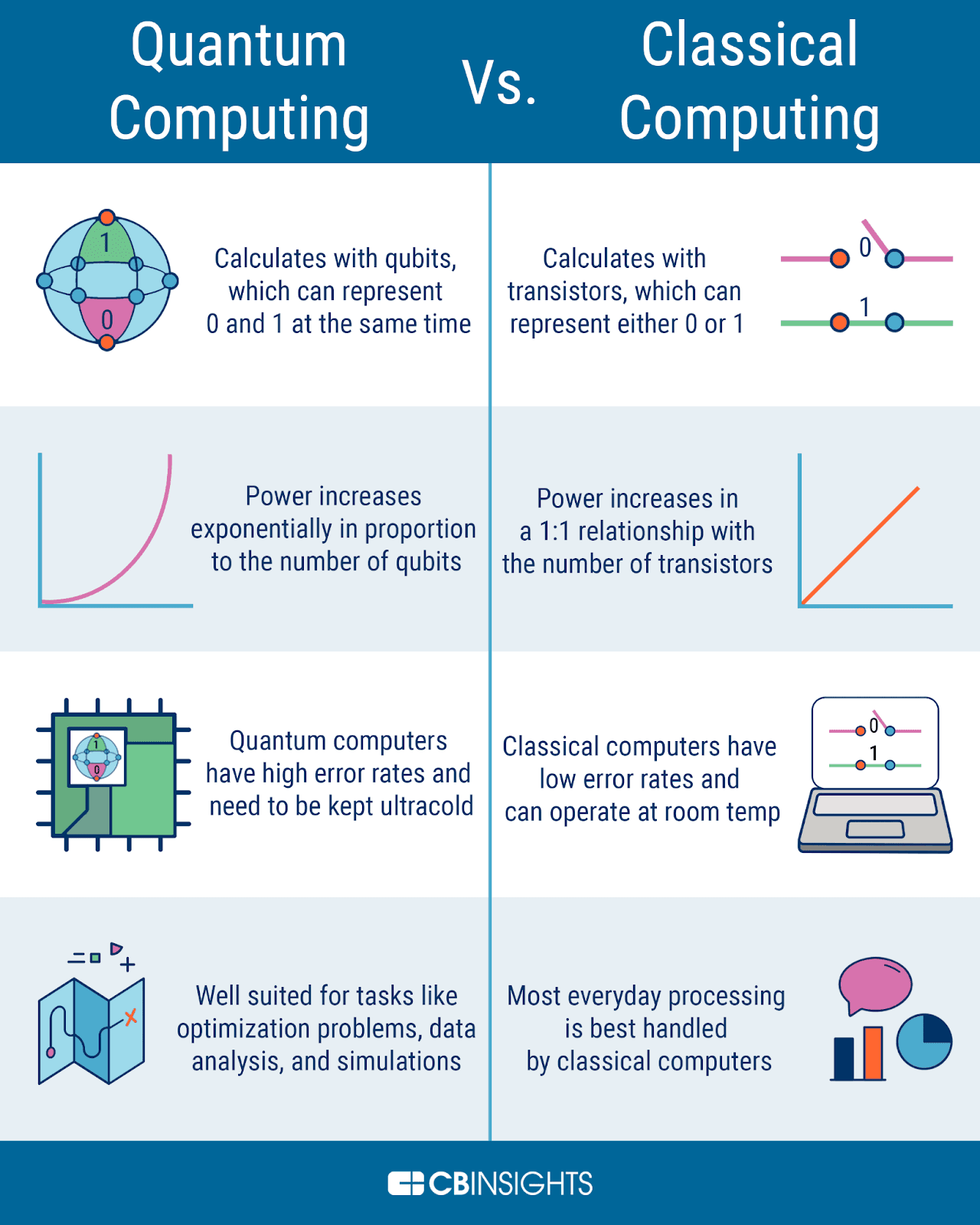
PQC: quantum-resistant encryption algorithms secure against classical & quantum attacks

VPNs: encrypt traffic, mask IPs, form secure device-server tunnels over public internet

Geography: critical worldwide sectors—finance, healthcare, governmental communications—face quantum-induced data exposure

Quick Facts for MCQs

Tech & Schemes

  • Implementation: major VPN providers embedding PQC into encryption suites to pre-empt quantum threats
  • Nomenclature: PQC also tagged quantum-resistant, quantum-safe, or quantum-proof in industry documents

Security Dimension

  • Quantum capability: Shor-style computation breaks RSA/ECC, undermining today’s asymmetric keys
  • SNDL risk: adversaries archive ciphertext now, plan quantum decryption later, exposing delayed breaches

Sectoral Impact

  • Finance, healthcare, government most exposed; breach can trigger financial loss, privacy damage, national security fallout
  • Industry push: encryption standards overhaul needed before practical quantum computers arrive

Key Data Points

FeatureData-Point
Main quantum threatShor-enabled factoring & discrete-log solving
Vulnerable algorithmsRSA, Elliptic Curve Cryptography
Attack modelStore Now, Decrypt Later (SNDL)
High-risk sectorsFinance, Healthcare, Government communications
Alternate terms for PQCQuantum-resistant / Quantum-safe / Quantum-proof
GS-3SecurityQuick Bite

16.First Ordnance Clothing Defence Export (Defence Exports)

The Hindu

What & Where

Ordnance Clothing Factory, Avadi: MoD unit making protective gear; executing India’s first defence export order.

Future Soldier System: lightweight, antibacterial digital-camouflage uniform plus 0.9 kg ballistic helmet for higher mobility.

Suriname: northeastern South American nation bordering Guyana, French Guiana, Brazil; sizeable Indo-Surinamese community.

Quick Facts for MCQs

Tech & Schemes

  • Design: digital camouflage lowers visual/IR signature; antibacterial layer curbs sweat infections.
  • Weight-saving helmet boosts paratrooper and infantry agility.
  • Gear supports broader Soldier-System modernisation under Atmanirbhar Bharat.

Economic Angle

  • Defence-export value jumped tenfold in a decade, highlighting indigenisation gains.
  • Hitting Rs 50k crore would place India among top-10 global arms exporters.
  • MSME-rich defence ecosystem gains steady foreign orders.

International Examples

  • Suriname’s 27 % population of Indian origin strengthens soft-power linkages.
  • First South American foothold for Indian defence trade.
  • Success could unlock Guyana and Brazil markets within CARICOM region.

Key Data Points

FeatureData-Point
First defence-gear export buyerRepublic of Suriname
Supplying unitOrdnance Clothing Factory, Avadi
Parent ministryMinistry of Defence
Defence exports 2023-24> Rs 21,000 crore
Defence exports 2014~Rs 2,000 crore
Export targetRs 50,000 crore by 2029
Ballistic helmet mass0.9 kg
Key OCF Avadi itemsBullet jackets, helmets, vests, bomb blankets
Uniform featuresLightweight, digital print, antibacterial
Suriname labour historyIndian indentured workers on sugar plantations
GS-2Scheme

17.National Critical Mineral Mission Overview (Critical Minerals)

The Hindu
Illustration for National Critical Mineral Mission Overview (Critical Minerals)

What & Where

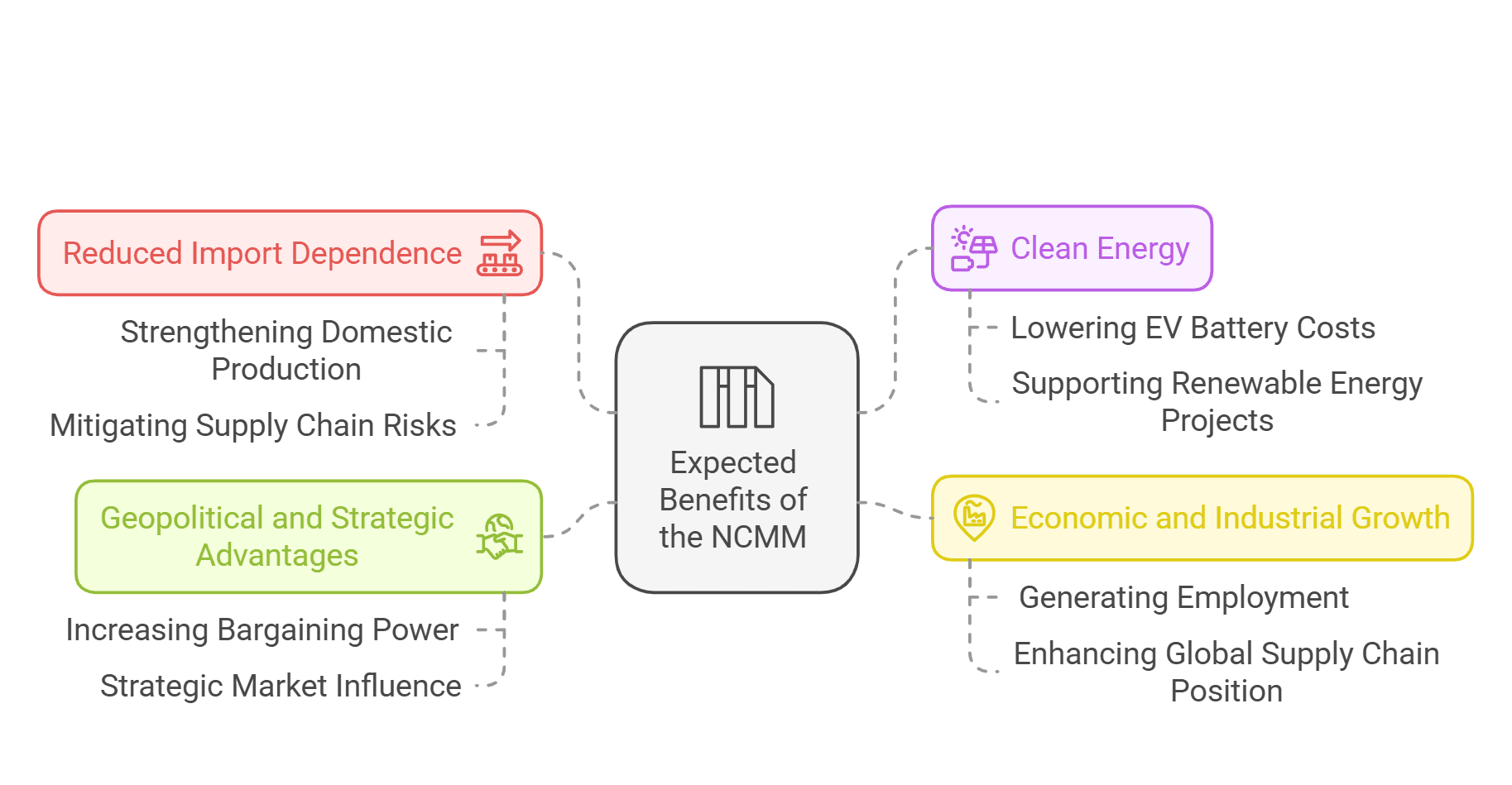
NCMM: ₹34,300 cr, 7-year mission securing 30 listed critical minerals from exploration to recycling, onshore & offshore India.

Value-chain focus: prospecting ➔ mining ➔ beneficiation ➔ processing parks ➔ end-of-life recovery, plus strategic stockpiles.

Coordination: Mines Ministry, PSUs, private firms, R&D bodies; overseas asset buys via KABIL encouraged.

Quick Facts for MCQs

Mission Design

  • Whole-of-government approach integrates ministries, PSUs, startups via expanded PRISM incentives.
  • Processing parks, Centre of Excellence and recycling push aim to cut raw export of concentrates.
  • Composite licences enable seamless exploration-to-production transition, including offshore blocks.

Need & Rationale

  • Green-energy components: EV batteries, solar, wind, hydrogen require Li, Co, REE, Si, Graphite.
  • Strategic hardware: semiconductors, missiles, MRI machines depend on gallium, niobium, tantalum etc.
  • Supply risk: over-reliance on China prompts self-reliance push for Atmanirbhar defence & tech.

Recent Steps

  • MMDR Act 1957 amended 2023; 24 strategic blocks already auctioned.
  • FY25 budget waived customs on critical ores to lure downstream smelters.
  • GSI schedules 195 ongoing (24-25) & 227 future (25-26) critical mineral surveys.

International Angle

  • KABIL tasked to pick minority/majority stakes in Latin-American, African deposits.
  • NCMM aligns with US, EU, Japan strategies seeking diversified non-Chinese supply chains.
  • Bilateral pacts for offtake & tech transfer expected with Australia, Argentina, Namibia.

Key Data Points

FeatureData-Point
Mission tenure2024-31 (7 years)
Financial outlay₹34,300 crore
No. of critical minerals notified30
Fast-track approvalsDedicated single-window for critical mineral leases
Stockpile planYes, government-led reserves
Lithium-ion battery demand growth~30 % per annum
China’s global refining share>60 % for Li, Co, REE
Key Indian import dependence6 minerals incl. Li, Si, Ti, Graphite
GSI projects completed368 (till 2024)
Offshore amendment year2023 to OAMDR Act
KABIL asset abroad15,703 ha lithium block, Catamarca-Argentina
Customs duty on critical ores (FY25)Eliminated

Related UPSC Prelims PYQs

CDS_GK, GS1 2025PYQ 1

Consider the following statements:

CDS_GK, GS1 2024PYQ 2

Recently the Government of India entered into an agreement for a lithium exploration and mining project with which one among the following countries?

GS-1Editorial

18.Gandhian Ethical Principles Overview (Gandhian Ethics)

The Hindu

What & Where

Concept: Gandhian ethics—Truth, Non-violence, Self-discipline, Simplicity, Sarvodaya

Context: Recorded in Manu Gandhi diaries covering Mahatma’s final India years (1946-48)

Application: Framework for Indian civil-service conduct and public administration morality

Quick Facts for MCQs

Ethical Principles

  • Truth: moral compass beyond speech, mandates congruent action
  • Ahimsa: proactive non-harm across thought, word, deed; basis for civil disobedience
  • Simplicity: minimal possessions, nature harmony, sustainable livelihood

Civil-Service Relevance

  • Decision-making: Satya encourages transparency, rule-of-law adherence
  • Conflict-resolution: Ahimsa offers dialogue, protest management templates
  • Leadership: Sarvodaya inspires inclusive rural-centric policy design

Contemporary Challenges

  • Materialism: Consumer culture conflicts with minimalist ethic
  • Governance corruption: Truth-based administration difficult amid power patronage
  • Tech globalization: Rapid change produces novel ethical dilemmas needing adaptive Gandhian lens

Personal Integration

  • Daily honesty: small truthful acts build ethical habit
  • Voluntary service: community work advances Sarvodaya spirit
  • Reflective discipline: meditation, restraint enhance moral clarity

Key Data Points

FeatureData-Point
Core valueSatya (absolute truth)
Operational toolSatyagraha—active, non-violent resistance
Lifestyle idealBrahmacharya—self-restraint in diet, celibacy
Economic symbolKhadi—hand-spun cloth, village self-reliance
Social goalSarvodaya—uplift of all, esp. Dalits
Diary translatorTridip Suhrud
Timeline covered1946-1948

Related UPSC Prelims PYQs

GS1 2012PYQ 1

Consider the following provisions under the Directive Principles of State Policy as enshrined in the Constitution of India :

GS1 2011PYQ 2

Mahatma Gandhi said that some of his deepest convictions were reflected in a book titled "Unto this Last" and the book transformed his life. What was the message from the book that transformed Mahatma Gandhi?

GS-1Polity

19.Reclassification of Denotified Tribes (Denotified Tribes)

The Hindu

What & Where

Study: Aug 2022 AnSI + 28 TRIs recommends 179 DNT/NT/SNT communities for SC/ST/OBC inclusion.

Geography: Biggest impact in Uttar Pradesh; also Andhra Pradesh, Tamil Nadu, Madhya Pradesh, Rajasthan.

Process: State proposal → RGI & concerned Commissions vetting → Union Cabinet → Constitutional amendment under Arts 341/342 or NCBC Act 1993.

Quick Facts for MCQs

Institutional Setup

  • AnSI 1945 Kolkata; studies cultural, biological, linguistic diversity.
  • TRIs: state-level think-tanks under Tribal Affairs; preserve culture, provide evidence-based planning, build capacity.
  • RGI under MHA handles Census & linguistic surveys; inputs in community listing.

List Alteration Process

  • Initiation: State/UT sends proposal; NCSC/NCST or NCBC & RGI give concurrence.
  • Approval: Social Justice Ministry reviews; Union Cabinet clears; Parliament passes special-majority amendment; President assents.
  • Legal anchors: Art 341 (SC), Art 342 (ST), Sec 9 NCBC Act 1993 (OBC).

Constitutional Provisions

  • Protection: Arts 17 & 23 bar untouchability, trafficking; Art 46 directs promotion of SC/ST/OBC welfare.
  • Representation: Arts 330–332 ensure legislative seats; Arts 338, 338A create NCSC & NCST.
  • Backward class inquiry: Art 340 enables Presidential commission recommendations.

Community Issues

  • Non-traceability: 63 groups possibly assimilated, renamed or migrated, complicating verification.
  • Misclassification: 9 communities need correction for accurate benefit targeting.
  • Historical stigma: DNT/NT/SNT faced colonial “criminal tribe” tag, still endure socio-economic marginality.

Key Data Points

FeatureData-Point
Total communities proposed179
For OBC status46
For SC status29
For ST status10
“Not traceable” communities63
Misclassified communities flagged9
Tribal Research Institutes28
AnSI establishment1945
AnSI headquartersKolkata
Registrar General of India set-up1961

Related UPSC Prelims PYQs

GS1, NDA_GAT 1996PYQ 1

In the Indian context the term De-notified tribes refers to

GS1, NDA_GAT 2022PYQ 2

Which one of the following is not a Constitutional Commission of India?

Ready to practice?

Test your knowledge with our UPSC test series.

Start Free Trial