UPSC Current Affairs

21 topicsGS-1: 8GS-2: 3GS-3: 10
0/21 done
GS-2Polity

1.UGC Draft Regulations Reform VC Appointments (University Governance)

Times of India
Illustration for UGC Draft Regulations Reform VC Appointments (University Governance)

What & Where

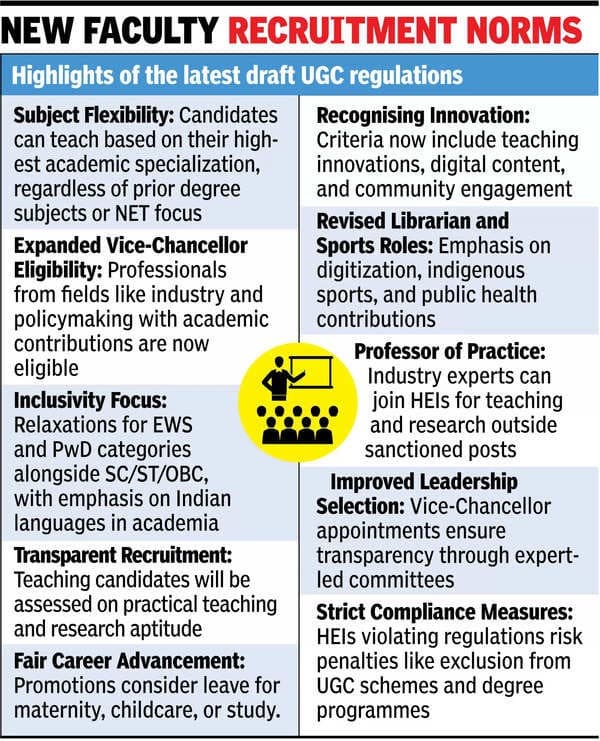
Draft UGC Regulations 2025: nationwide rules for appointing Vice-Chancellors in universities, released by Union Education Ministry.

Introduces three-member search-cum-selection committee plus transparent advertisement/nomination routes.

Applies to all UGC-regulated Higher Education Institutions across India, aligned with NEP 2020.

Quick Facts for MCQs

Legal & Policy

  • Alignment: Draft operationalises NEP 2020 call for transparent, merit-based leadership.
  • Authority: Chancellor/Visitor empowered to form committee, reinforcing statutory roles.
  • Enforcement: UGC may withhold funds or degree approval for violations.

Governance Mechanism

  • Selection: Objective evaluation metrics and public notifications embed accountability.
  • Nomination: Talent-search pathway enables proactive identification of eminent candidates.
  • Oversight: UGC Chairperson presence ensures regulator’s continual supervision.

Social Inclusion

  • Reservation: Guidelines explicitly encourage EWS, SC, ST, OBC, PwD representation in VC posts.
  • Diversity: Opens eligibility to seasoned experts from industry and public-policy spheres.
  • Equity: EWS mention aligns with 103rd Constitutional Amendment for economic reservation.

Key Data Points

FeatureData-Point
Regulator issuing draftUniversity Grants Commission
Committee size3 members
Committee compositionVisitor/Chancellor nominee (Chair), UGC Chairperson, Apex-body nominee
Application routesAll-India advertisement; nomination/talent search
Eligible backgroundsAcademia, industry, public administration, policymaking
Inclusivity target groupsEWS, SC, ST, OBC, PwD
Non-compliance penaltyBar from UGC schemes / degree programmes

Related UPSC Prelims PYQs

ESE_GS 2021PYQ 1

Which one of the following statements is NOT correct regarding the National Education Policy 2020 in India ?
GS-3Scheme

3.PLI 1.1 Boosts Specialty Steel Production (Specialty Steel)

PIB

What & Where

Scheme: Production Linked Incentive 1.1 incentivises domestic specialty steel manufacturing

Categories: Coated, High Strength wear-resistant, Specialty rails, Alloy steel & wires, Electrical steel

Geography: Applicable pan-India under Union Ministry of Steel & Heavy Industries

Quick Facts for MCQs

Tech & Schemes

  • Specialty-Steel: Focus on coated, wear-resistant, rails, alloy wires, electrical CRGO grades
  • CRGO: First-time domestic incentivisation aims to end near-total import reliance
  • Incentive: Production-linked payout triggers only after thresholds met

Economic Angle

  • Import-Bill: Scheme targets sizeable savings by reducing specialty-steel imports
  • Value-Addition: Pushes shift from commodity steel to high-margin grades, boosting export competitiveness
  • Jobs: Capacity expansion expected to create skilled employment in metallurgy and downstream sectors

Policy Tweaks

  • Threshold-Cut: Investment and production benchmarks lowered to widen MSME participation
  • Carry-Forward: Excess output creditable next fiscal, smoothing firms’ incentive claims
  • Retro-Fit: Upgradation of existing plants now qualifies, fast-tracking deployment

Key Data Points

FeatureData-Point
Governing ministryMinistry of Steel & Heavy Industries
Incentive periodFY 2025-26 – FY 2029-30
Product categories5 specified specialty steel groups
Strategic objectiveImport substitution & global competitiveness
CRGO investment threshold₹3,000 crore
Production threshold50,000 tonnes/year
Surplus output policyCarry-forward to next fiscal permitted
Eligibility scopeNew units plus capacity augmentation
GS-3Economy

4.Legally Binding Minimum Support Price Demand (MSP Reform)

Down to Earth

What & Where

MSP: government-announced floor price for 23 crops, aims at loss-shielding for farmers in India

Process: CACP recommends; Cabinet Committee on Economic Affairs gives final approval; FCI/State agencies procure

Geography focus: Procurement benefits concentrated in Punjab, Haryana, western Uttar Pradesh

Quick Facts for MCQs

Economic Angle

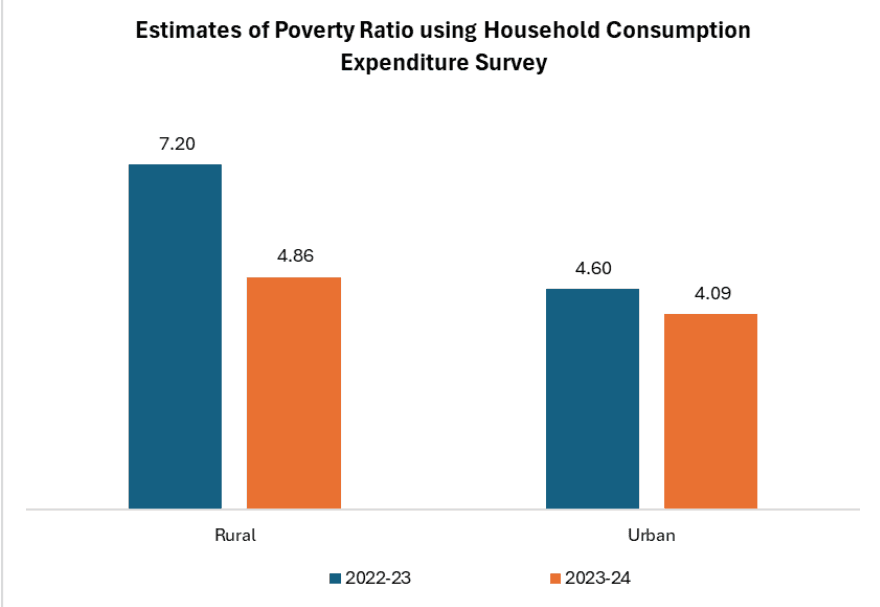
  • Income-stability: MSP cushions against market dips, curbing rural poverty
  • Overproduction risk: Guaranteed price may escalate water-intensive cereal cultivation
  • Private-sector deterrence: Mandatory MSP could shrink buyer participation, hurting competitiveness

Fiscal & Feasibility

  • Budgetary strain: 17 % allocation crowds out health, education, infra spending
  • Deficit-payment scheme: Cheaper alternative compensates price gap without mass procurement
  • Shared burden: Making private buyers honour MSP distributes cost beyond exchequer

Market Reforms

  • APMC floor pricing: Auction reserve ≥ MSP can stabilise rates without huge stocks
  • FPO empowerment: Collective bargaining improves price discovery and reduces trader asymmetry
  • e-NAM & blockchain: Real-time transparent bids ease monitoring of MSP compliance

Social Concerns

  • Regional skew: Punjab-Haryana corner majority procurement, leaving eastern & tribal belts lagging
  • Distress-sale curb: MSP critical where 80 % farmers lack storage and bargaining power

Key Data Points

FeatureData-Point
Total MSP crops23 (cereals, pulses, oilseeds, cotton, jute)
Small & marginal farmers share86 % of Indian cultivators
Current procurement cost if fully legalised≈ ₹7.5 lakh crore / 17 % Union Budget
Price-difference compensation model cost₹30,000–50,000 crore annually
Moong market price vs MSP (Rajasthan 2024)₹6,467 vs ₹8,682 per quintal
Input cost spike 2020-24Fertiliser & diesel ↑ 15–20 %
Farmers using local markets> 80 % (CACP)
Days of Jagjit Singh Dallewal fast43
Committee stanceParliamentary Standing Committee urges “legally binding” MSP

Related UPSC Prelims PYQs

CAPF_GAI, GS1 2020PYQ 1

Consider the following statements :

CAPF_GAI, GS1 2021PYQ 2

किसानों को प्रोत्साहन देने के लिए प्रत्येक वर्ष विभिन्न फसलों के लिए सरकार द्वारा घोषित की जाने वाली कीमत को क्या कहते हैं?

GS-3Infrastructure

5.LEADS 2024 Evaluates State Logistics (Logistics Index)

PIB

What & Where

LEADS: annual index (since 2018) gauging logistics efficiency across all Indian States/UTs; 6th edition released 2024.

Measures four pillars—Infrastructure, Services, Operating-Regulatory Environment, Sustainable Logistics (new 2024).

Published by Dept. for Promotion of Industry & Internal Trade, Ministry of Commerce & Industry, New Delhi.

Quick Facts for MCQs

Ranking & Performance

  • Achiever tag indicates 90th percentile composite score within respective state group.
  • West Bengal, Kerala placed as Coastal “Aspirers”; Manipur sole NE “Aspirer”.
  • Sustainable pillar weightage 10 % in 2024 baseline index.

Sector Economics

  • High logistics cost erodes export competitiveness by ~4-5 % versus global peers.
  • Road transport dominates >60 % freight share, raising fuel & emission load.
  • Market CAGR 2022-27 estimated ~6.3 %.

Policy & Reform

  • National Logistics Policy 2022 aligned with PM GatiShakti digital platform for multimodal planning.
  • LEADS recommends PPP-based multi-modal hubs plus city-level logistics plans.
  • Gender inclusion, green logistics, and AI-ML adoption flagged as priority actions.

Technology Push

  • GatiShakti Vishwavidyalaya launched certified course on PM GatiShakti for planners.
  • Digitisation under LEAD framework pushes unified digital documentation & real-time cargo tracing.

Key Data Points

FeatureData-Point
Report nameLogistics Ease Across Different States (LEADS)
2024 edition6th
Issuing ministryCommerce & Industry
Index modelled onWorld Bank Logistics Performance Index
Pillars counted4 (last adds Sustainable Logistics)
Coastal “Achiever” leadersGujarat, Karnataka, Maharashtra, Odisha, Tamil Nadu
Land-locked “Achiever” leadersHaryana, Telangana, Uttar Pradesh, Uttarakhand
NE “Achiever” leaderAssam, Arunachal Pradesh
UT “Achiever” leadersChandigarh, Delhi
Logistics sector GDP share13-14 %
FY-22 market sizeUSD 435 bn
FY-27 projected sizeUSD 591 bn
Current logistics cost13-14 % of GDP
NLP 2022 cost target8-9 % of GDP
Jobs supported22 million (extra 1 crore by 2027)
India LPI rank 202338 / 139
LEAD framework elementsLongevity, Efficiency-Effectiveness, Accessibility-Accountability, Digitisation

Related UPSC Prelims PYQs

CAPF_GAI, NDA_GAT 2024PYQ 1

Which of the following statements with regard to National Logistics Policy (NLP) is NOT correct?

CAPF_GAI, NDA_GAT 2024PYQ 2

Consider the following statements:

GS-1History

6.National Anthem Protocol and Adoption (National Symbols)

The Hindu

What & Where

National Anthem: ‘Jana-Gana-Mana’, poem by Rabindranath Tagore; Hindi transliteration adopted on 24 Jan 1950.

Authorised renditions: Full (≈52 s) & Short (≈20 s) versions notified by MHA.

Rendered nationwide at prescribed state, military, civic, educational and flag-hoisting events.

Quick Facts for MCQs

Protocol & Etiquette

  • Full version obligatory at investitures, parades, flag-unfurling, President/Governor arrival & departure.
  • Short version limited to Mess toasts or occasions specified by GoI.
  • Audience stands at attention; no clapping, talking or midway exit.

Ceremonial Usage

  • Mass singing encouraged during flag hoisting, cultural or ceremonial functions with choir/public.
  • President’s non-state public events begin & end with anthem.
  • Band rendition follows drum roll; tempo fixed by Defence Services Music Manual.

Educational Angle

  • Daily anthem recital promoted to instil national respect among students.
  • Schools advised to teach correct lyrics, posture, timing.

Key Data Points

FeatureData-Point
ComposerRabindranath Tagore
Original languageBangla (1911)
Adoption date24 Jan 1950, Constituent Assembly
Authorised languageHindi transliteration
Full version length≈ 52 seconds
Short version length≈ 20 seconds
Short version text“Jana-gana-mana-adhinayaka…Jaya jaya jaya jaya he”
Mandatory drum rollPrecedes anthem when band-played
Governing ordersMinistry of Home Affairs circulars
School guidelineSung in morning assembly

Related UPSC Prelims PYQs

GS1 2003PYQ 1

Which one of the following statements is correct?

GS1 2007PYQ 2

The song ‘Amar Sonar Bangla’, written during the Swadeshi Movement of India, inspired the Liberation Struggle of Bangladesh and was adopted as the National Anthem of Bangladesh. Who wrote this song?

GS-1History

7.Indus Valley Undeciphered Harappan Script (Harappan Script)

Indian Express
Illustration for Indus Valley Undeciphered Harappan Script (Harappan Script)

What & Where

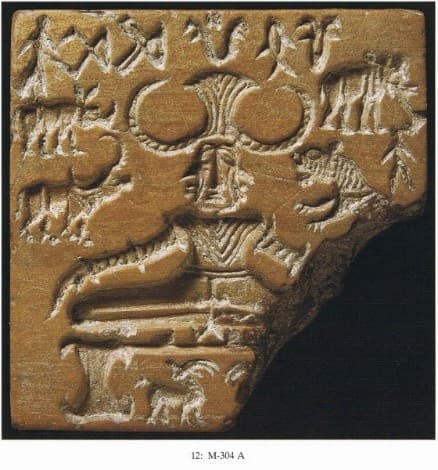
Harappan/Indus script – undeciphered logographic signs of Indus Valley Civilization, c. 2600-1900 BCE, spread across Indus-Ghaggar plains.

Emerged in pre-urban Ravi & Kot Diji phases (c. 3500-2700 BCE); matured during urban peak.

Recorded on seals, pottery, tools from sites like Harappa, Mohenjo-daro, Dholavira.

Quick Facts for MCQs

Script Features

  • Brevity; absence of long texts complicates linguistic mapping.
  • Direction generally right-to-left inferred from sign spacing.
  • Symbol set estimated 400-700; combines linear & pictorial signs.

Material & Motifs

  • Seals occasionally crafted from silver, faience, calcite besides steatite.
  • Iconography features bulls, tigers, elephants, composite mythical creatures.
  • Human scenes show ritual/combative narratives, hinting at socio-religious context.

Policy Initiative

  • Tamil Nadu prize aims to accelerate decipherment via global competition.
  • Move spotlights Dravidian hypothesis proponents within regional politics.
  • Financial incentive unprecedented in Indian epigraphic research.

Key Data Points

FeatureData-Point
Core period2600-1900 BCE
Precursor phasesRavi & Kot Diji, 3500-2700 BCE
Avg. inscription length≈ 5 symbols
Longest inscription26 symbols
Common seal materialSteatite
Typical seal size≈ 2.54 cm square
Other mediaClay tags, pottery, bronze tools, bangles, ivory, copper tablets
Frequent animal motifUnicorn
Prize announcement$1 million by Tamil Nadu CM
Script deciphered?Not yet; no confirmed linguistic link

Related UPSC Prelims PYQs

CAPF_GAI, GEO_GS 2023PYQ 1

Which one of the following statements is correct?

CAPF_GAI, GEO_GS 2021PYQ 2

James Prinsep is given credit for deciphering the script used in:

GS-1History

8.Savitribai Phule Birth Anniversary Tribute (Women Reformers)

Economic Times

What & Where

Reformer; Savitribai Phule (1831-1897) pioneered girls’ education and anti-caste activism in British-era Maharashtra.

Key processes: founding girls’ schools (1848), shelters against infanticide (1863), trusts for Dalit education.

Core geography: Naigaon-Satara (birth), Pune (schools, Balhatya Pratibandhak Griha).

Quick Facts for MCQs

Education Reform

  • Establishment; first female-run girls’ school challenged 1840s colonial-Brahmanical norms.
  • Training; attended Ahmednagar missionary and Pune Normal School to qualify as India’s earliest woman teacher.
  • Expansion; 18 co-ed and girls’ institutions created inclusive curricula, attendance >1500 by 1851.

Social Upliftment

  • Shelter; Balhatya Pratibandhak Griha aided widows, rape victims, unwanted infants.
  • Dalit focus; trusts financed Mahar–Mang education, bypassing upper-caste control.
  • Resistance; endured stone-pelting and verbal abuse while continuing teaching.

Literary Contribution

  • Publication; Kavya Phule advocated women’s rights through Marathi verse.
  • 1892 work; Bavan Kashi Subodh Ratnakar compiled moral tales promoting rational thought.
  • Slogan; Go, Get Education became rallying cry for oppressed communities.

Key Data Points

FeatureData-Point
Birth date/place3 Jan 1831, Naigaon (Satara)
CommunityMali (OBC, marginalised)
Husband & allyJyotirao (Jyotiba) Phule
First girls’ schoolBhide Wada, Pune, 1 Jan 1848
Total schools opened18
1863 initiativeBalhatya Pratibandhak Griha, shelter vs female infanticide
Trusts for DalitsNative Male School; Society for Promoting Education of Mahar, Mangs
Literary worksKavya Phule (1854); Bavan Kashi Subodh Ratnakar (1892)
Famous poemGo, Get Education
Death10 Mar 1897, plague relief work
GS-1Mapping

9.Artesian Well Formation in Rajasthan (Artesian Wells)

Indian Express
Illustration for Artesian Well Formation in Rajasthan (Artesian Wells)

What & Where

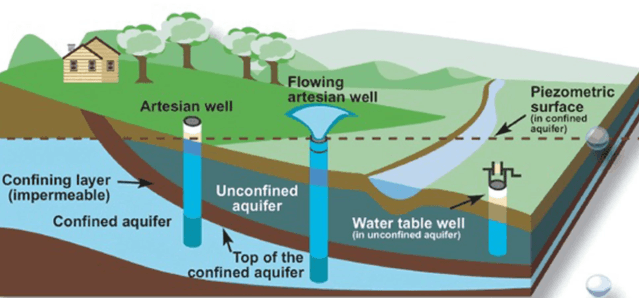
Artesian well: confined aquifer water rises naturally when drilled due to hydraulic pressure between impermeable strata

Pressure source: recharge area at higher elevation loads water column; if head > ground level, “flowing” artesian fountain forms

Recent case: Jaisalmer desert sandstone puncture released saline, clay-rich water thought to date to Tethys Sea times

Quick Facts for MCQs

Geological Context

  • Stratigraphy: Sandstone overlies marine clay oozes, evidencing ancient sea transgression
  • Plate-tectonics: Closure of Tethys moved Indian plate north, later uplifting Himalaya
  • Hydrocarbon link: Tethyan sedimentation created major petroleum basins in West Asia & N Africa

Global Hydro-Phenomena

  • Hydrothermal-vent: oceanic ridge fractures emit super-hot, mineral-rich water
  • Geyser: cyclic steam-water eruptions where groundwater touches magma, eg Yellowstone
  • Fumarole: volcanic steam vents; Indian example Barren Island, Andaman-Nicobar

Cultural References

  • Saraswati: Rigvedic “best of rivers”, believed to flow underground Thar; disappearance ≈5000 BP
  • Manusmriti: Land between Saraswati-Drishadvati termed sacred Brahmavarta
  • Mahabharata note: River vanished at Vinasana after dwindling discharge

Key Data Points

FeatureData-Point
Event siteJaisalmer district, Rajasthan
Aquifer natureConfined sandstone beneath clay layers
Flow aidNo pump; pressure-driven upflow
Salinity hintMarine-type, high dissolved salts
Probable origin waterTethys Sea deposits (~250 Ma)
Comparable basinsGreat Artesian (Australia), Dakota (USA)
Fossils nearbyGiant shark teeth; rare in Asia
Term “Artesian” sourceArtois (Artesium), France
GS-3Environment

10.Umred Karhandla Wildlife Sanctuary Corridor (Wildlife Sanctuary)

Times of India
Illustration for Umred Karhandla Wildlife Sanctuary Corridor (Wildlife Sanctuary)

What & Where

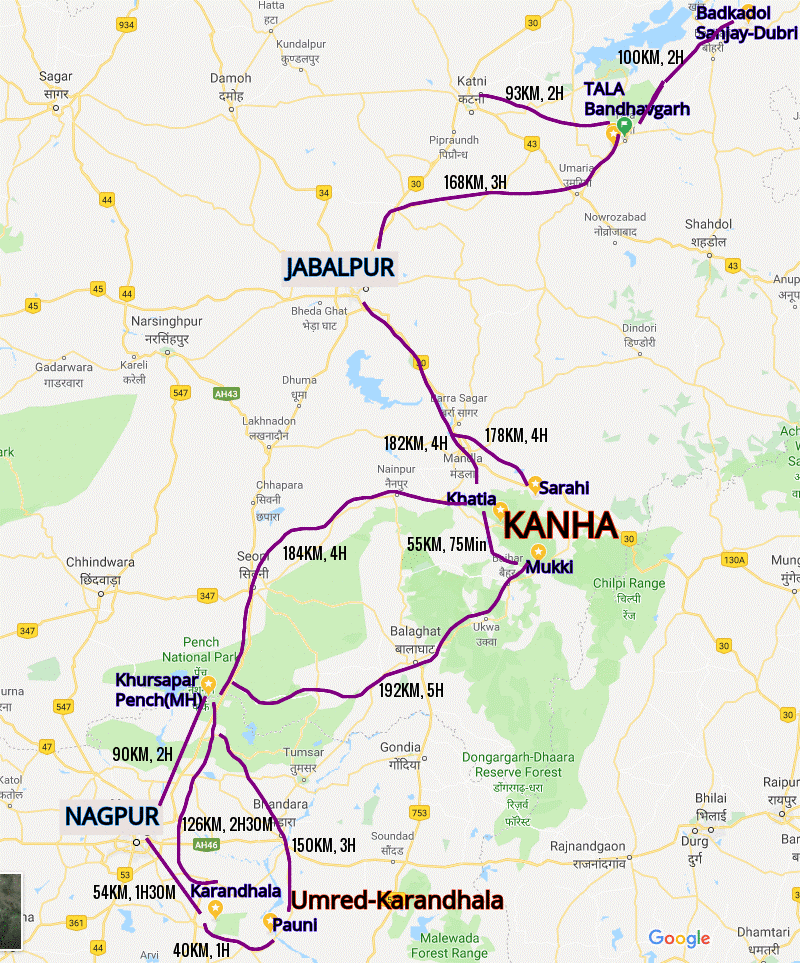
Protected area; Umred-Pauni-Karhandla Wildlife Sanctuary in eastern Maharashtra.

Location; spans Pauni Tahsil (Bhandara) and Umred, Kuhi, Bhivapur talukas (Nagpur).

Corridor; links Tadoba-Andhari Tiger Reserve via Wainganga River forests.

Quick Facts for MCQs

Legal & Policy

  • Suo-motu action; Bombay High Court intervenes after tourists corner tigress with cubs.
  • Concern; reveals patrolling, tourist-management, monitoring lapses inside sanctuary.
  • Outlook; court likely to mandate stricter wildlife-protection protocols.

Biodiversity

  • Carnivores; tigers, leopards, sloth bears, wild dogs sustain top-level predator guild.
  • Avifauna; diverse endemic plus migratory species, potential Important Bird Area.
  • Reptiles; cobras, pythons indicate intact trophic structure.

Geography & Hydrology

  • Water security; Wainganga River flanks sanctuary, enabling year-round wildlife movement.
  • Wetland nexus; Gose Khurd Dam northeast creates additional aquatic habitats.

Key Data Points

FeatureData-Point
StateMaharashtra
Districts coveredBhandara, Nagpur
Tiger corridor connectsTadoba Andhari TR
Main riverWainganga
Boundary landmarkGose Khurd Dam (NE)
Forest typeDense deciduous; teak, bamboo dominant
Apex predatorBengal tiger
Major herbivoresIndian gaur, sambar, spotted deer
GS-3EnvironmentQuick Bite

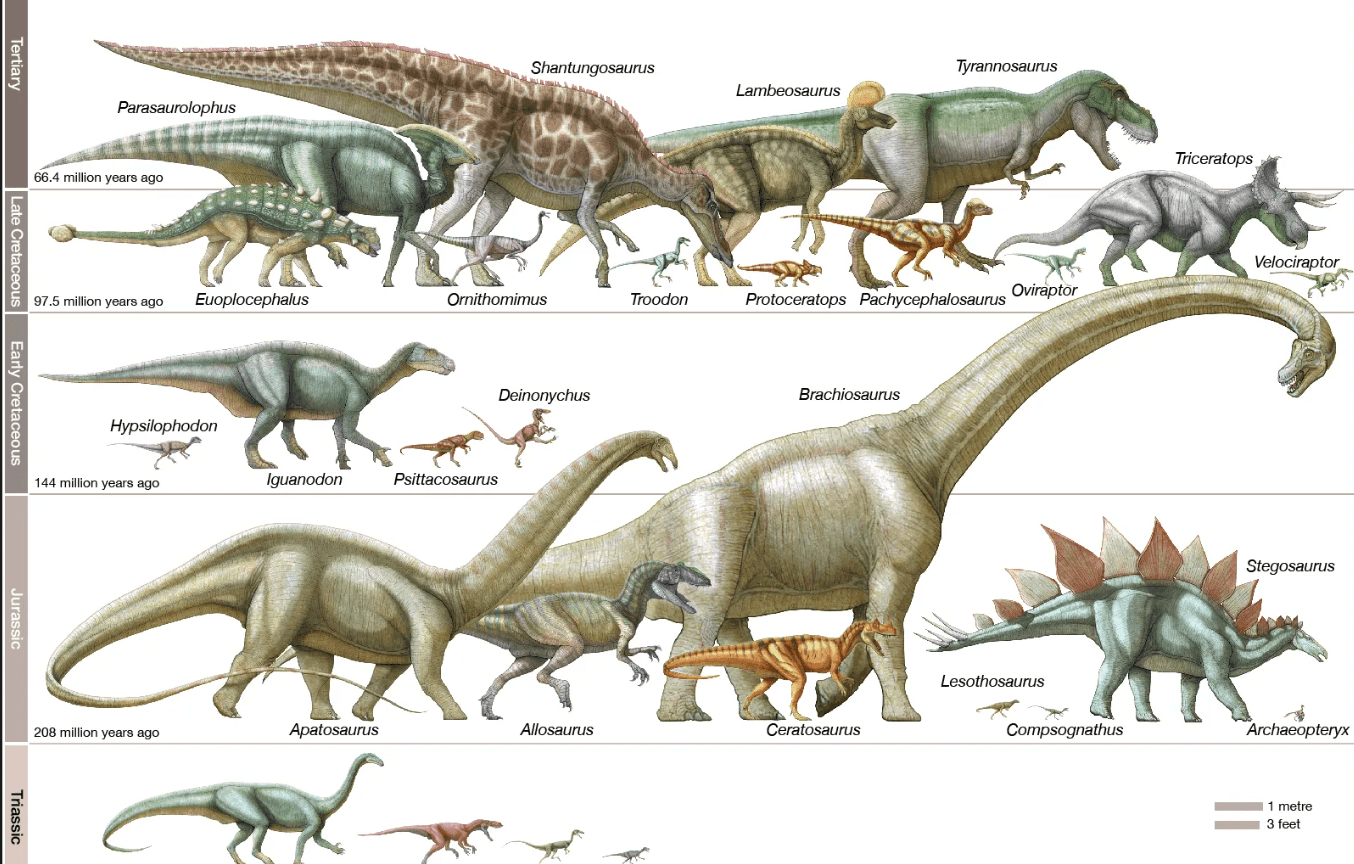
12.Middle Jurassic Dinosaur Footprints Discovery (Dinosaur Footprints)

The Hindu
Illustration for Middle Jurassic Dinosaur Footprints Discovery (Dinosaur Footprints)

What & Where

Hundreds of Middle-Jurassic (≈166 mya) dinosaur footprints found at Dewars Farm Quarry, Oxfordshire, UK.

Tracks dubbed “dinosaur highway”; include sauropod (Cetiosaurus) and theropod (Megalosaurus) prints.

Site enriches Britain’s record of terrestrial fossils from the Mesozoic Era.

Quick Facts for MCQs

Geological Context

  • Middle-Jurassic oolitic limestone preserved trackways in former coastal plain environment.
  • Evidence aids mapping of dinosaur dispersal across Laurasian landmasses.
  • Quarry joins globally significant UK Jurassic sites like Isle of Skye, Dorset Coast.

Taxonomic Groups

  • Sauropodomorpha: long-necked herbivores, column limbs, massive footprints.
  • Theropoda: carnivorous, bipedal ancestors of birds; Megalosaurus first named dinosaur (1824).
  • Ornithischia beaked herbivores absent in current find, hinting habitat partitioning.

Morphological Traits

  • Erect gait enabled by perforate acetabulum distinguishes dinosaurs from other reptiles.
  • Meat-eaters chiefly bipedal; plant-eaters variably bi- or quadrupedal, reflected in stride width.
  • Size spectrum ranges from Argentinosaurus giants to bee-hummingbird descendant minis.

Extinction Event

  • End-Cretaceous asteroid induced global darkness, climate crash, marine acidification.
  • Non-avian dinosaurs vanished; avian lineage survived, radiating into modern birds.
  • Iridium-rich clay layer worldwide corroborates impact hypothesis.

Key Data Points

FeatureData-Point
Geological periodMiddle Jurassic
Estimated age≈166 million years
Discovery siteDewars Farm Quarry, Oxfordshire (UK)
Main trackmakersSauropods (Cetiosaurus), Theropod Megalosaurus
Sauropod sizeUp to 60 ft length
Theropod print traitThree-clawed footprint
Dinosaur era span245 – 66 mya, Mesozoic (Triassic-Jurassic-Cretaceous)
Key skeletal traitHole in hip socket (perforate acetabulum)
Largest known dinosaurArgentinosaurus ≈110 t
Extinction triggerChicxulub asteroid, Yucatan Peninsula
GS-3S&T

13.DRDO 67th Foundation Day Milestones (DRDO Milestones)

PIB

What & Where

DRDO = R&D wing of Ministry of Defence; formed 1958 by merging TDEs, DTDP & Defence Science Organisation.

Workflow via seven technology clusters: Aero, MSS, NSM, MED-CoS, ACE, ECS, SSS.

HQ New Delhi; 41 labs + 5 DYSL across India; new missile test range cleared in Andhra Pradesh.

Quick Facts for MCQs

Tech & Schemes

  • Cluster-based structure, each headed by Director General, sharpens domain expertise.
  • DYSL nurture disruptive ideas; small agile teams report directly to DRDO HQ.
  • AI innovation: Divya Drishti fuses facial, skeletal, gait data for high-security authentication.

Security Dimension

  • 2024 inductions: ADTCR, ADFCR radars; LR-LACM, QRSAM, MRAshM missiles; PRACHAND mine; MMMA & SCA aircraft.
  • CCS cleared AMCA full-scale engineering and coastal missile range, boosting test capacity.
  • Missile suite spans Agni, Prithvi, Akash, Barak-8, BrahMos, Astra, Nag, Trishul.

Important Personalities

  • Kalam led IGMDP, delivering Prithvi, Agni, Akash, Nag, Trishul and earning “Missile Man” title.
  • Advanced indigenous propulsion, guidance, control—cutting foreign reliance.
  • Other feats: SLV-III project director, Pokhran-II chief coordinator, co-inventor of low-cost Kalam-Raju stent.

Indigenization Push

  • Core mission: self-reliant critical defence tech for Army, Navy, Air Force.
  • IGMDP, LCA Tejas, AMCA illustrate “Make in India” defence manufacturing pipeline.
  • Dual-use spin-offs include fiberglass, sonar suites, PSLV configurations benefitting civil sectors.

Key Data Points

FeatureData-Point
Motto“Balasya Mulam Vigyanam”
Foundation Day1 January 1958; 67th observed 2025
Present Labs41 laboratories
Young Scientist Labs5 DYSL (<35 yrs)
2024 AI Tool“Divya Drishti” face + gait recognition
Flagship Sanctions 2024AMCA FSED; AP Missile Test Range (CCS)
Indigenous FighterLCA Tejas
Main Battle TankArjun
MBRL SystemPinaka

Related UPSC Prelims PYQs

CDS_GK, ESE_GS 2024PYQ 1

Ministry of Defence signed contract with which one of the following organizations for Upgraded Super Rapid Gun Mount (SRGM) and other equipment for around 3000 crores?

CDS_GK, ESE_GS 2024PYQ 2

अनुसंधान अभिकल्प एवं मानक संगठन निम्नलिखित में से किस संगठन का अनुसंधान एवं विकास (R&D) विंग है ?

GS-3S&T

14.DSIR 40th Foundation Day Highlights (DSIR Schemes)

PIB

What & Where

Department of Scientific & Industrial Research (DSIR), Ministry of Science & Technology, Govt of India

Core role: indigenous technology development, utilisation and transfer across industrial sectors

Celebrated 40th Foundation Day on 4 Jan 2025; HQ — New Delhi

Quick Facts for MCQs

Legal & Policy

  • Presidential Notification inserted DSIR functions into Allocation of Business Rules 1961
  • Mandate echoes inclusive innovation focus of 12th Five-Year Plan

Tech & Schemes

  • PRISM funds idea-to-prototype conversion, early commercialisation
  • PACE offsets patent costs, spurs industry–lab co-development
  • CRTDH offers common equipment, testing, consultancy for MSME clusters

Institutional Network

  • DSIR supervises 35+ CSIR labs, NRDC tech transfer operations, CEL strategic electronics manufacture
  • Partners APCTT for Asia-Pacific technology databases, training, matchmaking

Key Data Points

FeatureData-Point
Foundation Day4 Jan 2025 (40th)
Year Created4 Jan 1985
Parent MinistryScience & Technology
Legal BasisPresidential Notification; 164th Amendment, GoI Allocation of Business Rules 1961
Core MandatePromote, utilise, transfer indigenous tech
Bodies OverseenCSIR, NRDC, Central Electronics Ltd
UN LinkageSupports APCTT under UN-ESCAP
Scheme — PRISMInnovation support to individuals, start-ups, MSMEs
Scheme — PACEPatent acquisition & collaborative R&D aid
Scheme — CRTDHShared research hubs, infra for MSMEs
Scheme — A2K+Tech knowledge access & dissemination

Related UPSC Prelims PYQs

ESE_GS, GS1 2007PYQ 1

Which one of the following organizations won the CSIR Award for Science and Technology Innovations for Rural Development, 2006?

ESE_GS, GS1 2024PYQ 2

Which one of the following Institutions launched Centre of Data for Public Good (CDPG) for multidisciplinary research, bringing together experts from academia, industry, and Government to harness the power of data to benefit the public?

GS-3S&TQuick Bite

15.Human Metapneumovirus Respiratory Illness Surge (Respiratory Virus)

Hindustan Times
Illustration for Human Metapneumovirus Respiratory Illness Surge (Respiratory Virus)

What & Where

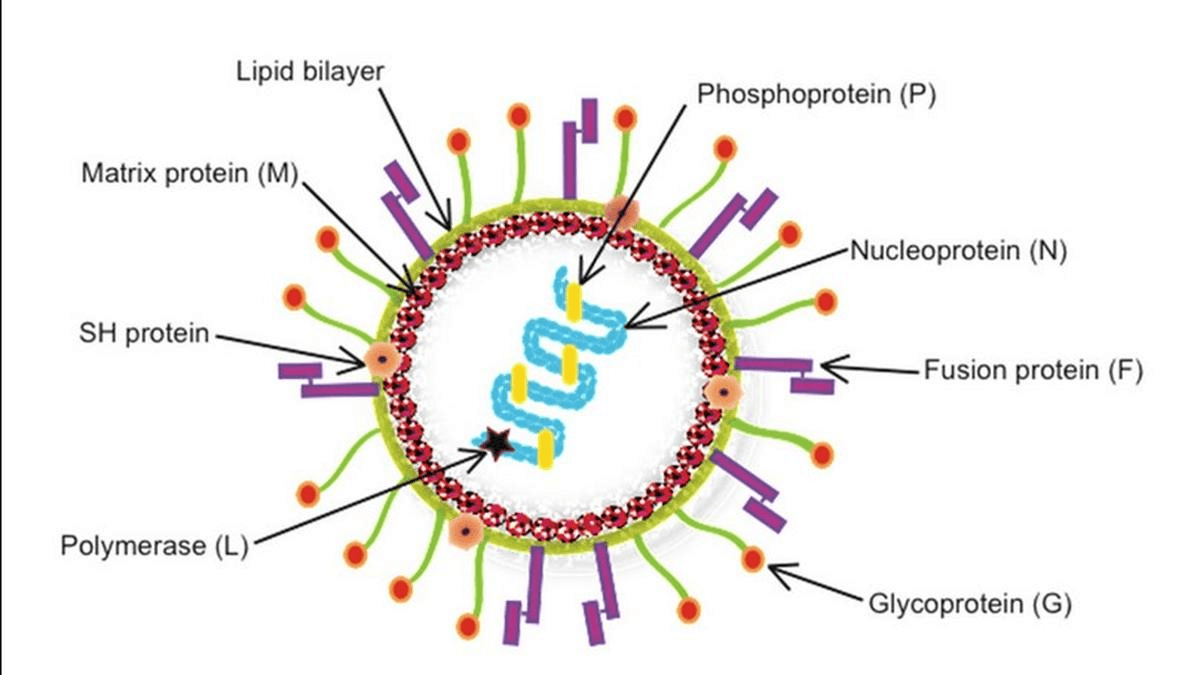
Human Metapneumovirus (HMPV): RNA respiratory virus, Pneumoviridae family, similar disease spectrum to RSV, influenza.

Geography: Endemic worldwide; current spike reported in China yet circulation is global.

Reservoir & season: Peaks late winter–spring in temperate zones.

Quick Facts for MCQs

Virology

  • Relation: Shares antigenic features with measles and mumps yet classified under Pneumoviridae not Paramyxoviridae.
  • Subtypes: Two major genetic lineages A and B circulating concurrently.
  • Mutation rate: Moderate, no major antigenic shift documented.

Epidemiology

  • Incidence: Detected in 5–10 % of paediatric acute respiratory infections annually.
  • Hospitalisation: Second only to RSV in child pneumonia admissions.
  • Co-circulation: Often coinfects with influenza or SARS-CoV-2, complicating diagnosis.

Clinical Manifestations

  • Mild course: Upper-respiratory infection predominates in healthy adults.
  • Complications: Bronchiolitis, pneumonia, asthma exacerbation in predisposed patients.
  • Diagnostic gold standard: RT-PCR from nasopharyngeal swab.

Public-Health Perspective

  • Control tools: Standard hygiene, isolation, surface disinfection; no specific antivirals licensed.
  • Surveillance: Included in global influenza-like illness sentinel sites.
  • Communication: WHO urges risk-based monitoring, discourages panic over China surge.

Key Data Points

FeatureData-Point
First isolated2001, Erasmus Univ. Medical Center, Netherlands
Virus familyPneumoviridae (alongside RSV)
Genome typeEnveloped, negative-sense, single-stranded RNA
Vaccine availableNone till date
Typical symptomsCough, fever, sore throat, runny nose, wheeze
Usual recovery time2–5 days for mild cases
High-risk cohortsChildren, elderly, immunocompromised
Severe disease share5–16 % progress to bronchiolitis/pneumonia
Main transmissionRespiratory droplets, contaminated surfaces, close contact
WHO statusNo emergency alert, pandemic not declared
Seasonality windowWinter & spring, overlaps RSV/influenza waves
Global prevalenceRecognised common respiratory pathogen on all continents
GS-3Security

16.BHARATPOL Portal Enhances INTERPOL Coordination (INTERPOL Portal)

PIB
Illustration for BHARATPOL Portal Enhances INTERPOL Coordination (INTERPOL Portal)

What & Where

BHARATPOL Portal = centralized, web-based platform for processing INTERPOL assistance requests in India.

Handles all colour-coded notices (e.g., Red Notices) and related communications.

Operated nationwide by CBI (as National Central Bureau) under Ministry of Home Affairs; launched in New Delhi.

Quick Facts for MCQs

Tech & Schemes

  • Real-time dashboard enables notice generation, tracking, and query replies within minutes.
  • Secure web interface lowers paperwork burden, supports digital evidence uploads.
  • Integration planned with existing CBI case-management systems for auto-flagging of INTERPOL hits.

Security Dimension

  • Streamlines extradition and lookout efforts via instant Red Notice circulation.
  • Enhances India’s response to transnational organised crime by shortening INTERPOL query turnaround.
  • Facilitates coordinated crackdowns on multi-jurisdiction scams and money-laundering routes.

Administrative Setup

  • MHA provides policy mandate; CBI hosts servers, maintains data security protocols.
  • ILOs act as nodal officers in states/UTs for portal queries and approvals.
  • Unit Officers at field level gain direct access, reducing hierarchy-induced delays.

Key Data Points

FeatureData-Point
Launch authorityUnion Home Minister
Parent ministryMinistry of Home Affairs
Implementing agencyCBI acting as INTERPOL National Central Bureau
Core aimReal-time information sharing for international police cooperation
Access pointLink on official CBI website
Key usersINTERPOL Liaison Officers & Unit Officers across India
Major crime areasCybercrime, drug & human trafficking, financial fraud
Communication shiftFrom letters/emails/fax to portal dashboard
Expected benefitFaster clearance of foreign police assistance requests
Launch cityNew Delhi

Related UPSC Prelims PYQs

NDA_GAT 2025PYQ 1

BHARATPOL portal has been developed by

GS-2Scheme

17.India's First Organic Fisheries Cluster (Organic Fisheries)

DD News

What & Where

Initiative: India’s first Organic Fisheries Cluster for eco-friendly aquaculture

Location: Soreng District, Sikkim; Eastern Himalayas

Framework: Executed under Pradhan Mantri Matsya Sampada Yojana 2020

Quick Facts for MCQs

Tech & Schemes

  • PMMSY adopts cluster model covering production-processing-marketing
  • Central Sector 100 % funded by Centre; CSS shared with States, beneficiaries
  • Biofloc and RAS enable high density culture, water recycling

Environmental Impact

  • Organic protocols avoid chemicals; cut effluent into hill streams
  • Hardy Amur carp favors low-input culture in temperate Sikkim
  • Initiative supports India’s Blue Economy sustainability goals

Economic Angle

  • NABARD funds infrastructure, capacity building, working capital
  • FPOs aggregate small farmers, improve market access and price discovery
  • Cluster expected to diversify Sikkim’s organic brand, generate rural jobs

Key Data Points

FeatureData-Point
Inaugurated byUnion Fisheries Minister
Financing agencyNABARD
Flagship schemePM Matsya Sampada Yojana
Scheme launch year2020
Scheme ministryFisheries, Animal Husbandry & Dairying
Cluster key speciesAmur carp
Core approachOrganic, low-pollution fish farming
Scheme structureCentral Sector & Centrally Sponsored
Tech promotedBiofloc, Recirculatory Aquaculture (RAS)
Farmer body formedFisheries FPOs

Related UPSC Prelims PYQs

CAPF_GAI, GEO_GS 2026PYQ 1

Which one of the following government schemes in India promotes organic farming?

CAPF_GAI, GEO_GS 2025PYQ 2

Which one among the following schemes focuses on developing modern infrastructure and optimizing supply chain from farm to retail in Indian agriculture sector?

GS-1Editorial

18.Slow Progress on Global Nutrition Targets (Global Nutrition)

The Hindu

What & Where

Global Nutrition Targets (GNTs) — six WHA-2012 goals for 2025 on stunting, anaemia, birth-weight, overweight, breastfeeding, wasting

Malnutrition types — undernutrition (stunting, wasting, underweight) and overnutrition (overweight, obesity) creating double burden

Geography — Lancet review of 204 countries; India highlighted for static anaemia, high stunting, rising childhood overweight

Quick Facts for MCQs

Progress Status

  • Finding: no country on course for low-birth-weight, anaemia, overweight targets by 2030
  • Projection: only handful may meet stunting goal; wasting remains above 5 % in many regions
  • Trend: childhood overweight rising amid stagnant undernutrition, indicating double malnutrition burden

Indian Bottlenecks

  • Diet diversity low; rice-wheat dominate, micronutrient intake poor, especially among low-income groups
  • Economic hurdle; nutritious diet unaffordable for many, high food inflation persists
  • Data gap; limited granular consumption surveys impede targeted interventions

Policy Recommendations

  • Diversify diets; address anaemia beyond iron supplementation
  • Prioritise first 1 000 days; enhance fat-energy intake under age 3
  • Improve measurement; adopt venous blood testing, context-specific growth standards

Government Schemes

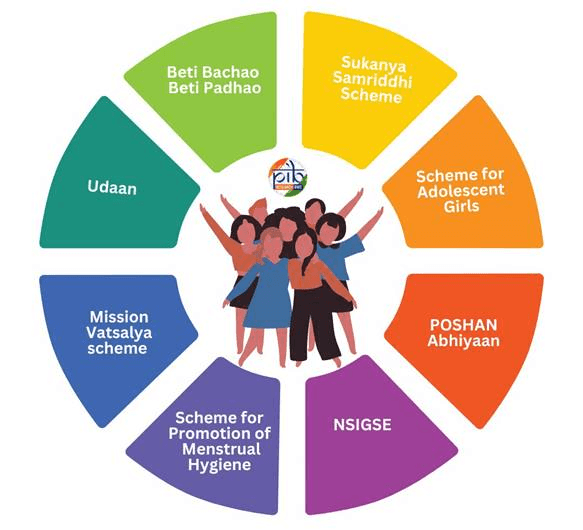
  • Mission Poshan 2.0, ICDS, PM-Matru Vandana, Mid-Day Meal, Scheme for Adolescent Girls, MAA, Poshan Vatikas

Key Data Points

FeatureData-Point
WHA resolution year2012
Number of GNTs6
Stunting target40 % fewer U-5 children
Anaemia target50 % fewer women 15-49 yrs
Low-birth-weight target30 % reduction
Exclusive breastfeeding goal≥ 50 % during 0-6 months
Childhood wasting cap< 5 % prevalence
Study period2012-2021
Countries analysed204
India stunting at 2 yrs≈ 40 %
NFHS-5 minimum acceptable diet11.3 % children 6-23 m
Poor children fat intake India7 g vs needed 30-40 g
Global U-5 overweight (2022)37 million
Anaemia test gap IndiaVenous rate ≈ ½ capillary

Related UPSC Prelims PYQs

GS1 2017PYQ 1

Which of the following are the objectives of ‘National Nutrition Mission’?

GS1 2023PYQ 2

‘पोषण मुक्त भारत अभियान’ के अंतर्गत की जा रही व्यवस्थाओं के संबंध में, निम्नलिखित कथनों पर विचार कीजिए :

GS-1MiscQuick Bite

20.National Girl Child Day Observance (Girl Child Empowerment)

Economic Times
Illustration for National Girl Child Day Observance (Girl Child Empowerment)

What & Where

National Girl Child Day India; nationwide observance on 24 January to champion rights and empowerment of girls

Launched 2008 by Ministry of Women & Child Development to counter female foeticide, child marriage, gender bias

2025 edition aligns with 10-year milestone of Beti Bachao Beti Padhao, activities 22 Jan–8 Mar across states

Quick Facts for MCQs

Purpose & Objectives

  • Promotion of girl child survival, education, health, nutritive equality
  • Public sensitisation against sex-selective practices and early marriage

Schemes & Campaigns

  • Beti Bachao Beti Padhao: tri-ministry drive improving CSR, girls’ schooling, societal mindset
  • Multi-state events 2025: rallies, scholarship drives, digital outreach under BBBP decade celebration

Legal & Policy

  • Prohibition of Child Marriage Act 2006 criminalises marriages below 18 years for girls
  • POCSO Act 2012 offers gender-neutral, child-centric protection from sexual offences

Key Data Points

FeatureData-Point
Observance date24 January (annual)
First celebrated2008
Nodal ministryWomen & Child Development
2025 themeEmpowering Girls for a Bright Future
Linked flagship schemeBeti Bachao Beti Padhao (2015-25 decade)
2025 celebration window22 Jan – 8 Mar 2025
Culmination dayInternational Women’s Day (8 March)
Key legal shieldsPCMA 2006, POCSO 2012
Child welfare missionMission Vatsalya
Core issues targetedFemale foeticide, child marriage, education & health gaps
GS-1MiscQuick Bite

21.World Braille Day Significance (Braille System)

The Hindu
Illustration for World Braille Day Significance (Braille System)

What & Where

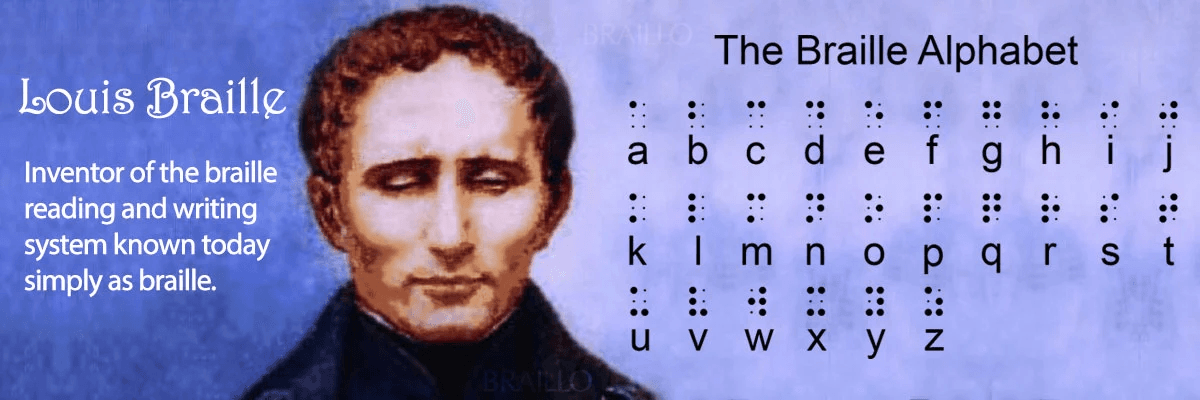
Commemoration World Braille Day on 4 January marks birth of tactile-code inventor Louis Braille

Location Louis Braille born 1809 in Coupvray, France; educated at Royal Institute for Blind Youth, Paris

System Braille uses six raised dots in a 3 × 2 matrix for blind literacy

Quick Facts for MCQs

Inventor Biography

  • Childhood Lost sight at 3, motivating search for reading method
  • Education Scholarship at 10 to Paris institute enabled experimentation
  • Inspiration Army Night Writing code encountered, triggering Braille development

System Architecture

  • Cell Six raised dots in 3×2 matrix represent letters, numbers, punctuation
  • Tools Creation possible via slate-stylus, Perkins brailler, refreshable braille displays
  • Contrast Night Writing used 12-dot cells for silent soldier communication

Contemporary Significance

  • Relevance Braille remains vital despite expanding AI and voice-based accessibility
  • Beneficiaries Especially crucial for congenitally blind seeking direct literacy

Key Data Points

FeatureData-Point
World Braille Day date4 January
Observed forBirth anniversary of Louis Braille
Louis Braille lifespan1809 – 1852
Country of birthFrance
Lost eyesight age3 years
Scholarship age10 years
Training instituteRoyal Institute for Blind Youth, Paris
Precursor codeNight Writing
Precursor inventorCharles Barbier de la Serre
Night Writing dots12 raised dots
Braille cell dots6 raised dots
Braille cell layout3 × 2 matrix
Writing toolsSlate-stylus, braille writer, electronic devices
Key benefitIndependence for congenitally blind

Ready to practice?

Test your knowledge with our UPSC test series.

Start Free Trial